What causes chrysanthemum leaves to turn black
I. Causes
During the growth process, plants are often attacked by diseases, which cause all kinds of problems. Chrysanthemum leaves turning black is also damage caused by disease, and in this case it is caused by black spot disease.
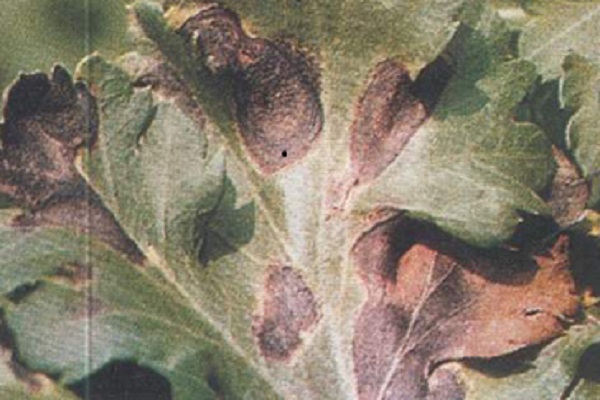
Septoria chrysanthemella infects chrysanthemum leaves and causes lesions, making the leaves turn black. In the early stage of the disease, green or purplish-brown spots appear on the chrysanthemum leaves. These spots come in various shapes, including round, oval, and even irregular, with a diameter of 5 to 10 mm. They are very fine, and the size and color of the spots are related to the chrysanthemum variety.
When multiple small spots gather together, they connect into large spots. In the late stage of this disease, the color of the spots also turns light gray, and many inconspicuous small dots appear. The leaves begin to decline from the bottom upward, but they do not fall off. In severe cases, only two or three intact green leaves remain on a single chrysanthemum plant.
II. Prevention and control
1. First, if you find leaves that have started to turn black, they should be removed immediately. If it is winter, the diseased leaves should be destroyed. On cloudy or rainy days, do not water or reduce watering. Be sure not to splash water on the flowers, and do not let the flowerpot become too moist. New flower soil should be replaced every year.
2. Fertilizer must be controlled properly, and nitrogen, phosphorus, and potassium fertilizers should be distributed appropriately. Do not let the flowers grow excessively. If there is too much water in the pot, it should be drained in time. Only in this way will the flowers grow robustly and enhance their disease resistance.
3. During this period, solutions can be sprayed. You can buy 75% chlorothalonil 600 to 800 times solution, 65% zineb 500 to 600 times solution, and 1% Bordeaux mixture on the market. Spray once every 7 to 10 days, and only 3 to 4 sprays are needed to reduce the chance of pathogens remaining.
4. When buying chrysanthemums, it is best to choose varieties with strong disease resistance. The soil should be turned and replaced frequently. Sand and nutrient soil can be added to the soil, and the flowerpot, plant, and flower soil should be cleaned frequently. If you want to transplant, choose branches whose leaves have no lesions and are very emerald green.