What are the effects and uses of Paederia scandens?
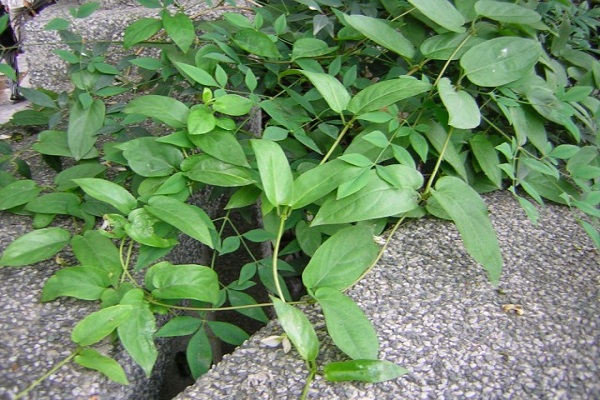
1. Used as a food ingredient
Unpleasant as its name may sound, there are examples of it being eaten in many regions, and they all differ. This is mainly reflected in the following:
(1) In Hainan Province, there is a very distinctive snack called "chicken-dung-vine bazi", somewhat similar to tangyuan. In early July, almost every household makes this snack to celebrate the festival. In addition, it is also a tonic for women after childbirth, people who are weak and frail, and people after surgery.
(2) In Guangxi Province, people mix it with rice, grind it into powder, and after further processing make it into soup. This is also a special food, and it is said to have a blood-enriching effect as well.
(3) In the Beihai area, on the third day of the third lunar month every year, people eat it, and legend has it that it can be used to ward off evil spirits and drive out pests. After it is cooked, it tastes very sweet, like sugar water. So later people invented the way of eating Paederia scandens powder, which has an even more distinctive flavour.
(4) In Guangdong Province, when people go out on excursions they pick wild Paederia scandens, wash its leaves clean, grind them with a stone mill, then grind them together with glutinous rice into powder, add brown sugar and water, and process it into cakes called "Paederia scandens cakes".
2. Used as a medicinal material
Its medicinal value has been recorded in many materia medica texts. According to the information in these records, this plant has the effects of dispelling wind, draining dampness, promoting digestion, relieving cough and stopping pain. Specifically, it can be used to treat traumatic injuries, gastrointestinal colic, enteritis, dysentery, indigestion and other symptoms. In addition, there is also a specific record that grinding its leaves and roots into powder and eating it can relieve certain symptoms of heatstroke.