Reasons for Yellowing Leaves on Selaginella uncinata and How to Fix Them
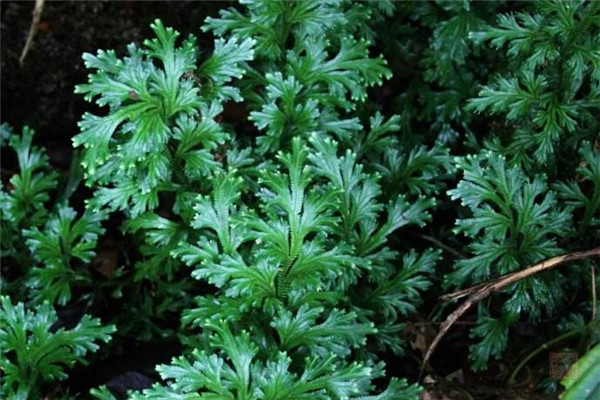
1. Watering too frequently
Many flower enthusiasts often run into some pitfalls when growing this plant, which causes the green leaves to turn yellow and the plant to gradually droop and lose its vitality. The main reason yellow leaves occur lies in water. We all know that if many plants are watered too much, the roots cannot breathe smoothly in the soil, which affects the plant's nutrient transport. When nutrients cannot be delivered to the plant in time, the leaves are bound to be affected, showing wilting and yellowing. Selaginella uncinata is the same. Once watered too frequently, the roots are damaged, so how could the leaves not turn yellow?
Solution:
When watering, carefully observe the condition of the soil around the roots and judge from the outside whether the plant lacks water. When watering, try to choose a time when the temperature is higher, water as slowly as possible, and wait until the water has seeped away before continuing. In addition, the water should preferably be left to sit beforehand, and the water temperature should be kept roughly around room temperature.
2. Unreasonable temperature control
I wonder if you have noticed that in most cases, the leaves of Selaginella uncinata turn yellow in winter, first turning yellow and then slowly withering. But after winter ends, one or two plants often sprout again. At this time, the correct approach is to clean up the dead plants and keep the potting soil sanitary. Why do yellow leaves easily appear in winter? In fact, it is also closely related to the lower temperatures in winter.
Many people like to place it near a balcony window to grow it. At night the temperature is low, the window is drafty, or the temperature of the location drops, so the plant alternates between cold and heat from day to night and may be damaged. Naturally, this easily causes yellowing leaves.
Solution:
Control the indoor temperature well to prevent the plant from freezing. On winter nights, it is best to place the plant in the living room, and then move it the next day to another spot with better sunlight.