Study: Negative ion concentration in national forest recreation areas is three times higher than in urban areas; phytoncides kill bacteria and combat inflammation and anxiety
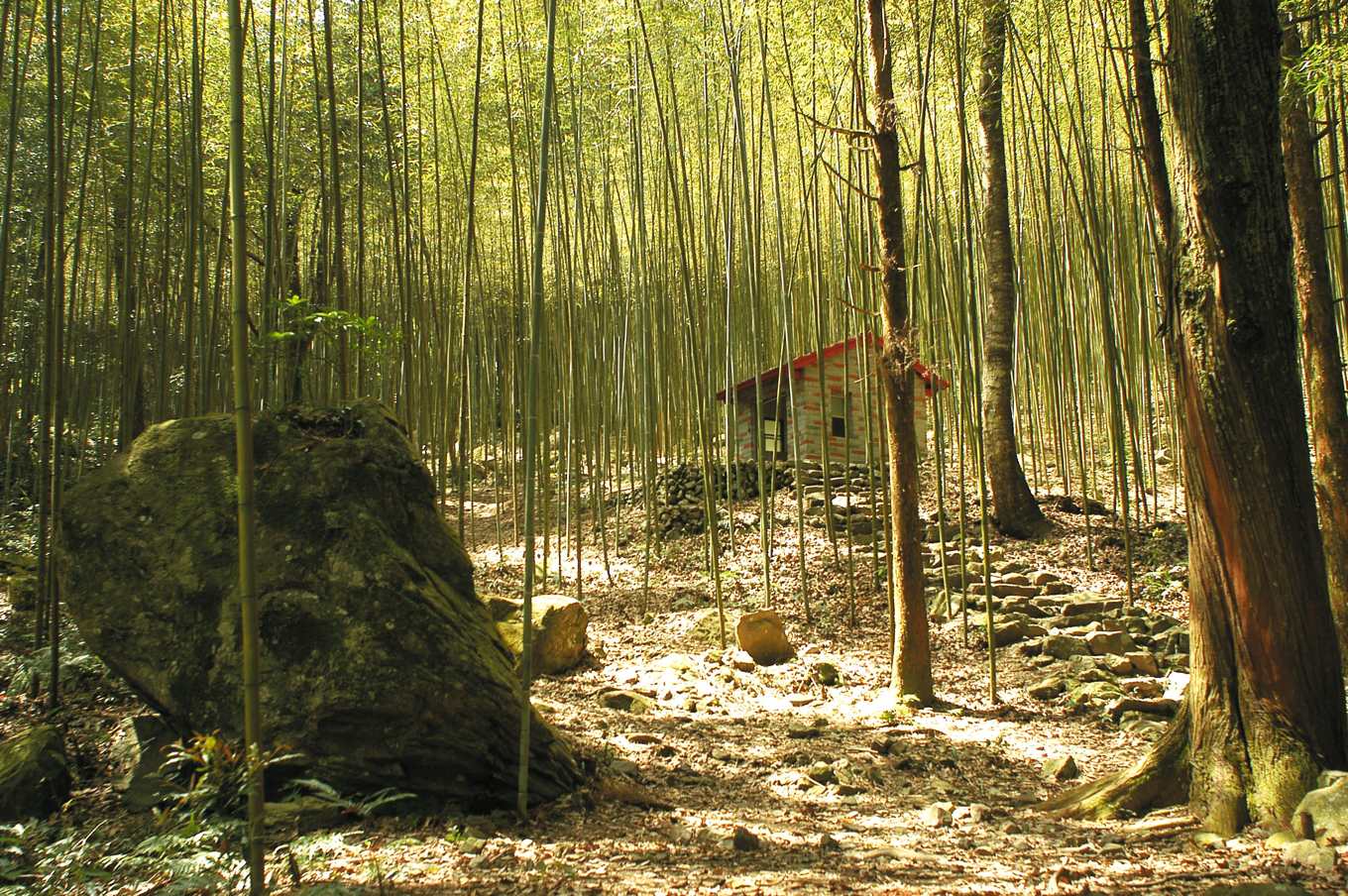
Forest tourism is flourishing. The Taiwan Forestry Research Institute has produced the film "A Light Journey into the Mountains - The Secret Realm of Shanping" to promote the Shanping Forest Ecological Science Park in the Liugui mountain area. The park contains buildings from the Japanese occupation era, a bamboo specimen garden, and one can even see Reeves's muntjac, yellow-throated martens, and Taiwan serows. Research results from the Forestry Bureau also confirm that environments with higher negative ion content are better for human health. The negative ion concentration in national forest recreation areas is at least three times higher than in urban areas, encouraging everyone to visit forests during the New Year.
Forests contain high concentrations of negative ions and phytoncides, with extremely low PM2.5 levels
In recent years, forest tourism has received increasing attention. The phytoncides and air in forests allow people to relax both body and mind. A study commissioned by the Forestry Bureau and conducted by a research team from National Chung Hsing University found that national forest recreation areas have high concentrations of negative ions, abundant and diverse phytoncides, and extremely low PM2.5 levels in the air, truly refreshing both body and mind.
The Forestry Bureau pointed out that numerous past studies have found that forest bathing can increase parasympathetic nervous system activity, help balance the autonomic nervous system, and provide stress-relief effects. Among these, the high concentrations of negative ions contained in the special forest environment and the phytoncides released by forest plants can be described as the most healing golden combination in forests.
Last year, the Forestry Bureau selected 8 national forest recreation areas - Taipingshan, Neidong, Manyueyuan, Baxianshan, Dasyueshan, Alishan, Shuangliu, and Zhiben - to conduct monitoring surveys of phytoncide composition and negative ion concentration across the four seasons. The results showed that waterfall areas in national forest recreation areas exhibit extremely high negative ion values. Among them, the Shuangliu waterfall area had negative ion levels of 2,299-9,350 per cubic centimeter year-round, the Neidong waterfall area had negative ion levels of 4,104-16,748, and the Manyueyuan waterfall area had negative ion levels of 3,104-27,192.

(To watch the Forestry Bureau's four films, please click here. For Spring Festival-related forest tourism information, please visit the Taiwan Forest Recreation Network)