-

How to Grow Echeveria Topsy Turvy Healthily? Planting Methods and Care Guide
A detailed introduction to the planting methods and care techniques for the succulent Echeveria Topsy Turvy, including how to grow it, soil preparation, light and watering, propagation methods, surviving summer and winter, pest and disease control, and other practical content.
-
How to grow Echeveria Topsy Turvy so it fills out its pot? A complete guide to planting methods
A detailed introduction to Echeveria Topsy Turvy planting methods and care techniques, including how to grow Echeveria Topsy Turvy, soil mix, light and watering, propagation methods, fertilizing and pruning, pest and disease control, and other practical content.
-

How to Protect the Buds of a Phalaenopsis Orchid After It Stops Blooming So It Blooms a Second Time
When a Phalaenopsis orchid is in bloom, it looks elegant and grand, but after the flowers fade, many growers do not know how to care for it. In fact, as long as you do these 4 steps well - pruning, light, temperature, and water and fertilizer - you can both protect healthy buds to encourage a second bloom and store up enough nutrients for the next flowering season, so that when it blooms again it has more flowers and more vivid colors! 1. Pruning spent flowers: first observe the condition of the flower stalk
-
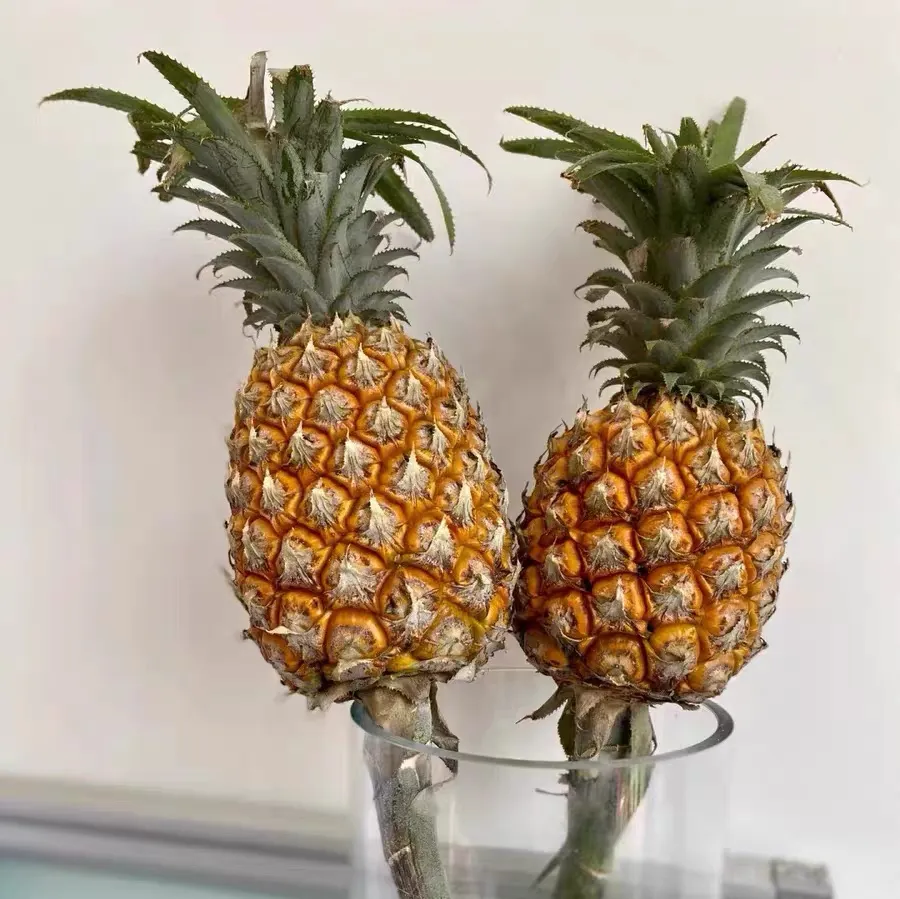
The simplest method for hydroponic cultivation of pineapple tops
Who’s still throwing away pineapple tops like garbage?! I’ve personally tested it—pineapple tops bought from the supermarket can grow fluffy white roots in
-

What to Do When a Phalaenopsis Orchid Stops Growing? Causes and Solutions Explained
As you get to know Phalaenopsis orchids better, I believe every time you bring a new plant home to grow, you'll have a different experience. Sometimes when you've been growing Phalaenopsis for a long time, the problems you run into may not be the same every time, but for growers who have cared for them many times, you gradually start to take things in stride, because their native environment and home care are always different, and it's normal for a few problems to come up.
-
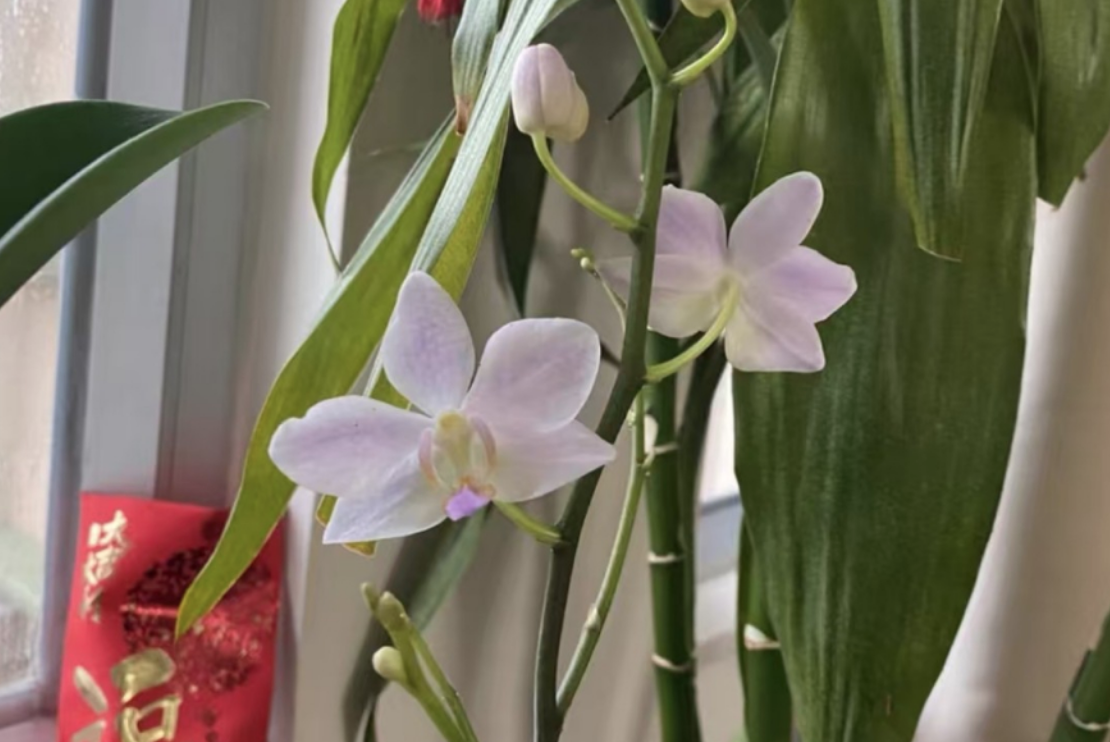
What should I do if the phalaenopsis stops fertilizing and has no flower buds?
As we all know, in the world of flowers, the orchidaceae - Phalaenopsis, known as the "noble of flowers", is the favorite among most flower - lovers. The
-

What should you do if the leaves of a Phalaenopsis orchid grow small and it stops producing new leaves?
The Phalaenopsis orchid has an elegant form and is the dream flower of many people, yet there are many difficulties in growing it well. So, if no new leaves appear after the Phalaenopsis orchid's flowering period, what should you do? Read on below to find out. As everyone knows, if you want the flowers to bloom beautifully, the plant itself must first be in good health, so if you want
-
Drought response starts with planting less rice! The Council of Agriculture promotes a "choose three out of four" policy, stops purchasing public grain in the other crop season, and suggests switching to dryland coarse grains
Drought response starts with planting less rice! The Council of Agriculture promotes a "choose three out of four" policy, stops purchasing public grain in the other crop season, and suggests switching to dryland coarse grains
-
Which of China's five major improved cattle breeds is best to raise? Nanyang Yellow Cattle tops the list
There are about 25 breeds of yellow cattle in China, but only five can be called improved yellow cattle breeds: Qinchuan cattle, Nanyang cattle, Luxi cattle, Yanbian cattle and Jinnan cattle. Relying on advantages such as brand and resources, they have become excellent local breeds in various regions. For a long time
-
What are the growth habits of Scutellaria baicalensis? The latest detailed explanation
Wild Scutellaria baicalensis grows on hilltops, slopes, forest edges, roadsides and other sunny, relatively dry places. It likes warmth and tolerates severe cold. The underground parts of adult plants can still overwinter safely at a low temperature of -35°C, and a high temperature of 35°C will not cause them to wither and die, but they cannot withstand continuous high temperatures above 40°C. Drought-tolerant
条件筛选