-
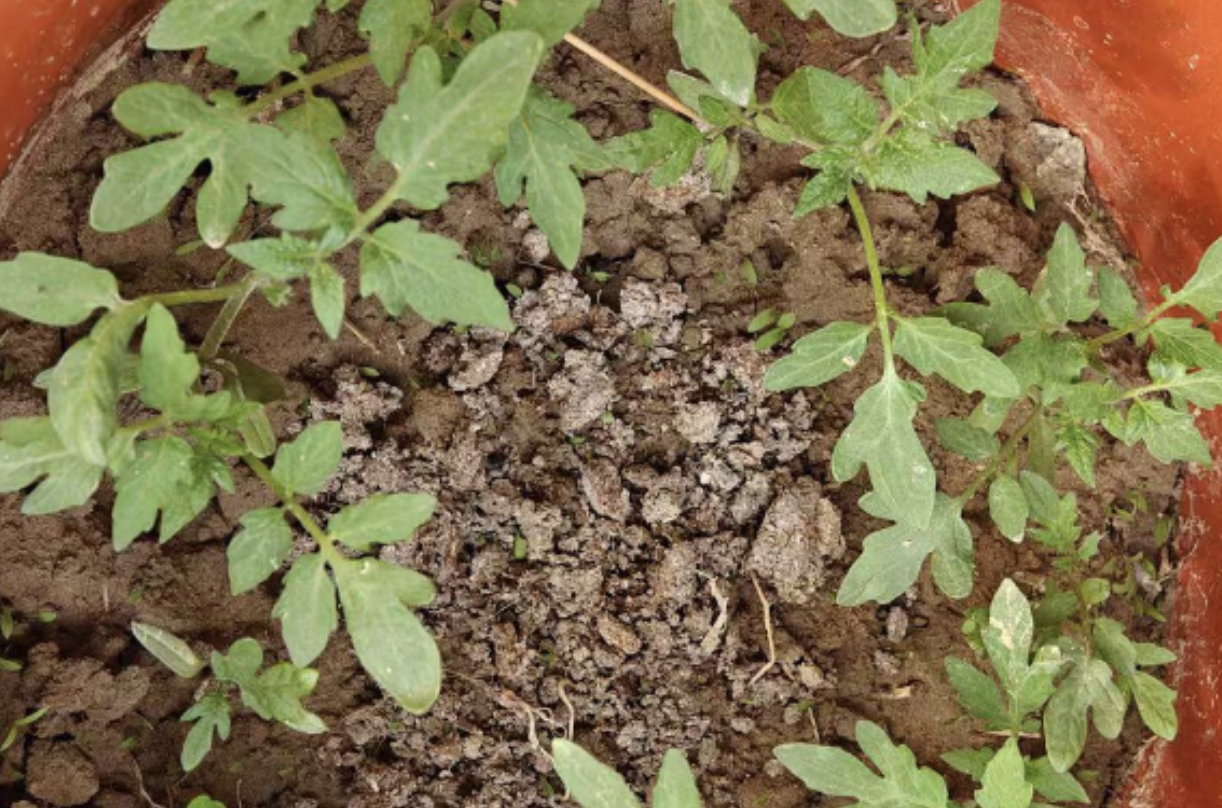
How should tomato seeds be disinfected properly?
Disinfecting tomato seeds is crucial when planting. The surface and interior of tomato seeds can harbor various pathogens and insect eggs, such as those of
-
Root rot in Phalaenopsis (moth orchid) after repotting: should you trim the roots and disinfect, or repot again?
I believe many people who grow Phalaenopsis have run into the frustrating problem of root rot after repotting. You meant to give the plant a comfortable new environment, but instead the roots ran into trouble. Watching a once-vigorous Phalaenopsis gradually go limp is enough to make anyone anxious. In fact, as long as you deal with it promptly and adjust your care routine, there is a good chance the Phalaenopsis will recover.
-
Key planting methods and points from seedling raising to harvest of snake gourd
As a warm and humid-loving vine plant, snake gourd differs considerably from ordinary vegetables in its growth characteristics. To harvest robust snake gourds, you need to focus on several core steps: seed soaking and germination, seedling raising and transplanting, trellising and vine guiding, water and fertilizer management, and environmental regulation. Beginning growers in particular often affect plant growth due to improper handling of details.
-

What are the effects and harms of not disinfecting cutting tools when propagating Phalaenopsis orchids?
In the process of propagating Phalaenopsis orchids, many people choose methods such as division and cuttings to grow new plants. However, many people often overlook a key detail - disinfecting the tools used, and this seemingly insignificant action actually hides many harms. First, undisinfected tools easily carry large amounts of pathogens.
-

Do Phalaenopsis orchids need root pruning and disinfection with chlorothalonil?
In the process of caring for Phalaenopsis orchids, the health of the root system directly affects the plant's growth and flowering quality. Whether Phalaenopsis orchids need root pruning, and whether chlorothalonil disinfection is required after pruning, are care points worth understanding in depth, as they help keep Phalaenopsis orchids in good growing condition. First, let's talk about whether Phalaenopsis orchids need pruning
-
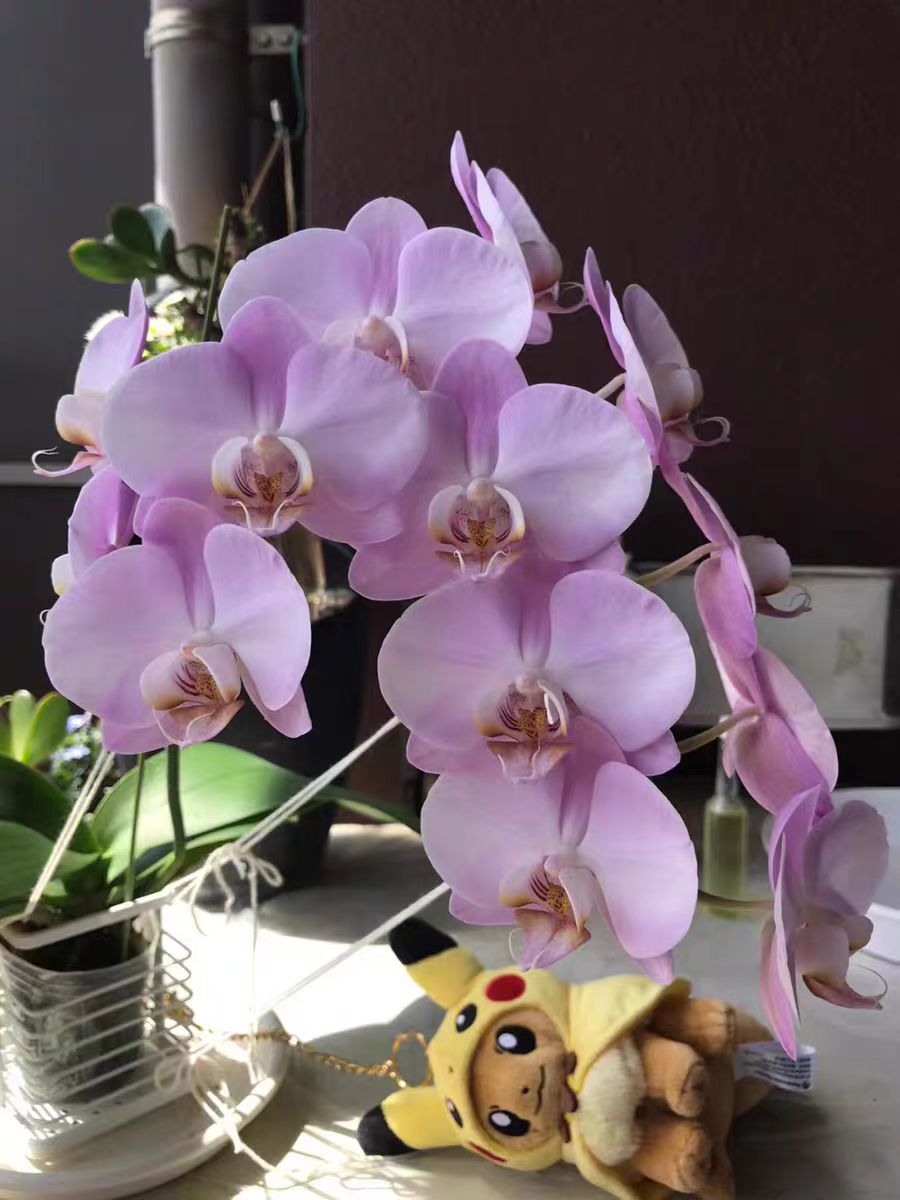
What should be used to disinfect Phalaenopsis orchids after root pruning?
In the process of maintaining Phalaenopsis orchids, root pruning is a common operation. Whether dealing with rotten roots, empty roots, or conducting division
-

What Should Be Used to Disinfect Phalaenopsis After Root Pruning? Is Alcohol Okay?
In the care of Phalaenopsis, pruning the root system is a common operation. Whether dealing with rotten roots, hollow roots, or carrying out division propagation, the wounds need to be disinfected after root pruning to prevent infection by pathogens and ensure healthy plant growth. So, what should be used to disinfect Phalaenopsis after root pruning? Can alcohol be used for disinfection? First
-

What to use to disinfect after pruning a Phalaenopsis, and how to handle it?
The Phalaenopsis (moth orchid) is a much-loved ornamental flower, and timely pruning helps it maintain a good plant shape and promotes new shoot growth and flowering. However, if disinfection and care after pruning are improper, it is very easy to trigger bacterial infection, causing the plant's growth to be stunted or even to die. Understanding the correct disinfection methods and follow-up care measures is the key to ensuring the health of the Phalaenopsis.
-
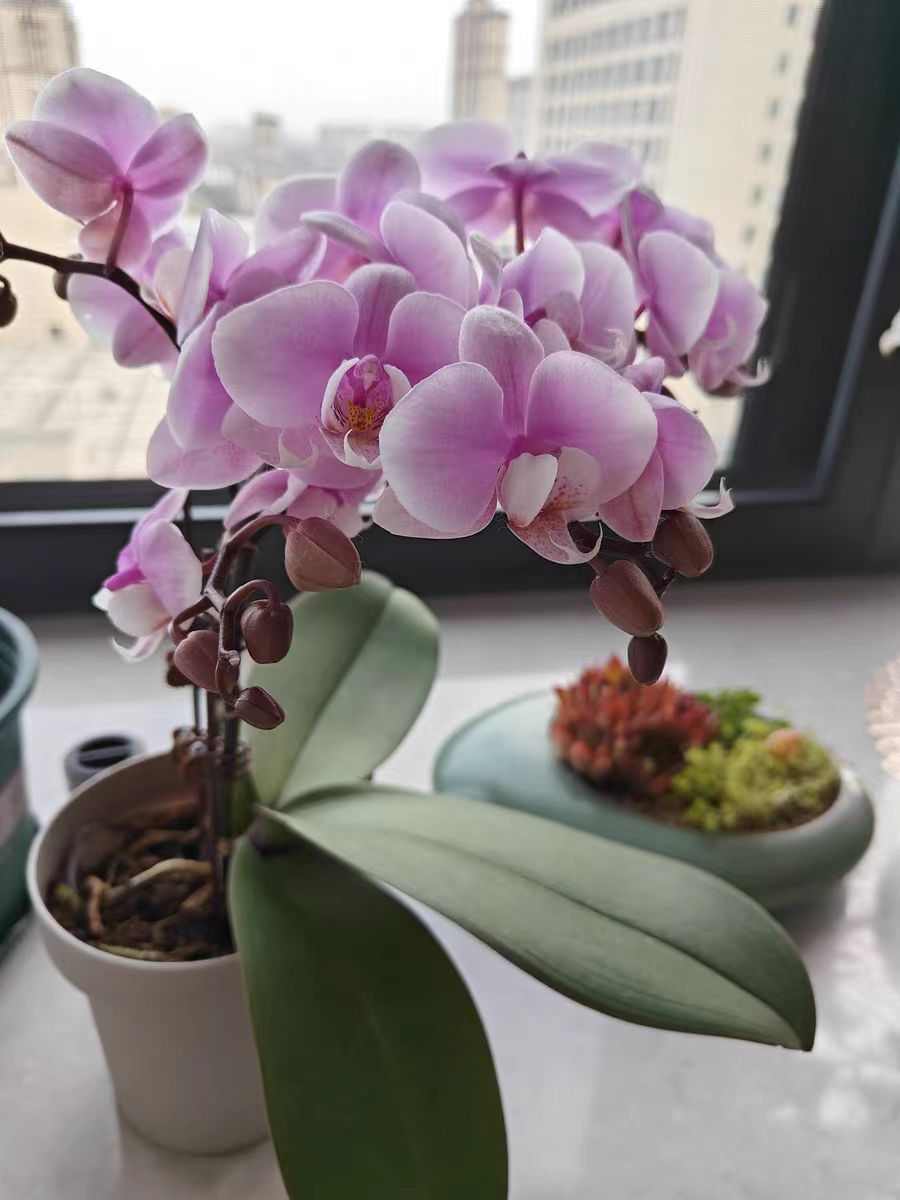
What should be used to disinfect Phalaenopsis after pruning?
As a much - loved ornamental flower, timely pruning of Phalaenopsis helps it maintain a good plant shape and promote the germination of new branches and
-

Are flower effervescent tablets the same as nutrient solutions, and can they be used to disinfect flowers?
Anyone who grows flowers surely wants cut flowers to stay in bloom for a few more days, and that is where flower effervescent tablets and nutrient solutions come in handy. Although both are meant to help cut flowers live longer, they differ quite a bit in composition, function and method of use. Composition: Flower effervescent tablets are mainly made up of sodium bicarbonate and citric acid. Drop one into water,
条件筛选