-

How to Choose a Cultivator-Weeder: Key Points for Buying and Using Field Management Machinery
A cultivator-weeder is important machinery for field management. This article introduces how a cultivator-weeder works, key points for purchasing, and precautions for use, helping you make a scientific choice and operate it properly to improve cultivating and weeding efficiency. Purchase prices are subject to local dealer quotes.
-
Toyota FT-800 Crop Protection Machine: Dealer Quotes and Key Buying Points Explained
Toyota FT-800 crop protection machine dealer quotes are affected by configuration, region and subsidy policy. This article explains how to ask for and compare quotes, what to watch for in a purchase contract and key daily maintenance points, helping growers buy a crop protection machine with full clarity.
-
How to Choose a Sugarcane Harvester? Analysis of Combine Harvester Quotes and Subsidy Key Points
A complete analysis of key points for choosing a sugarcane harvester: introducing the main types of sugarcane combine harvesters, the reasons for differences in dealer quotes, the application process for agricultural machinery purchase subsidies, and points to note when buying, to help growers choose machines scientifically and avoid wasting money.
-
How to grow Thalia dealbata so it thrives? A detailed guide to planting methods
A detailed introduction to the planting methods and care techniques for Thalia dealbata, including how to grow Thalia dealbata, soil preparation, light and watering, propagation methods, fertilizing and pruning, pest and disease control, and other practical content.
-
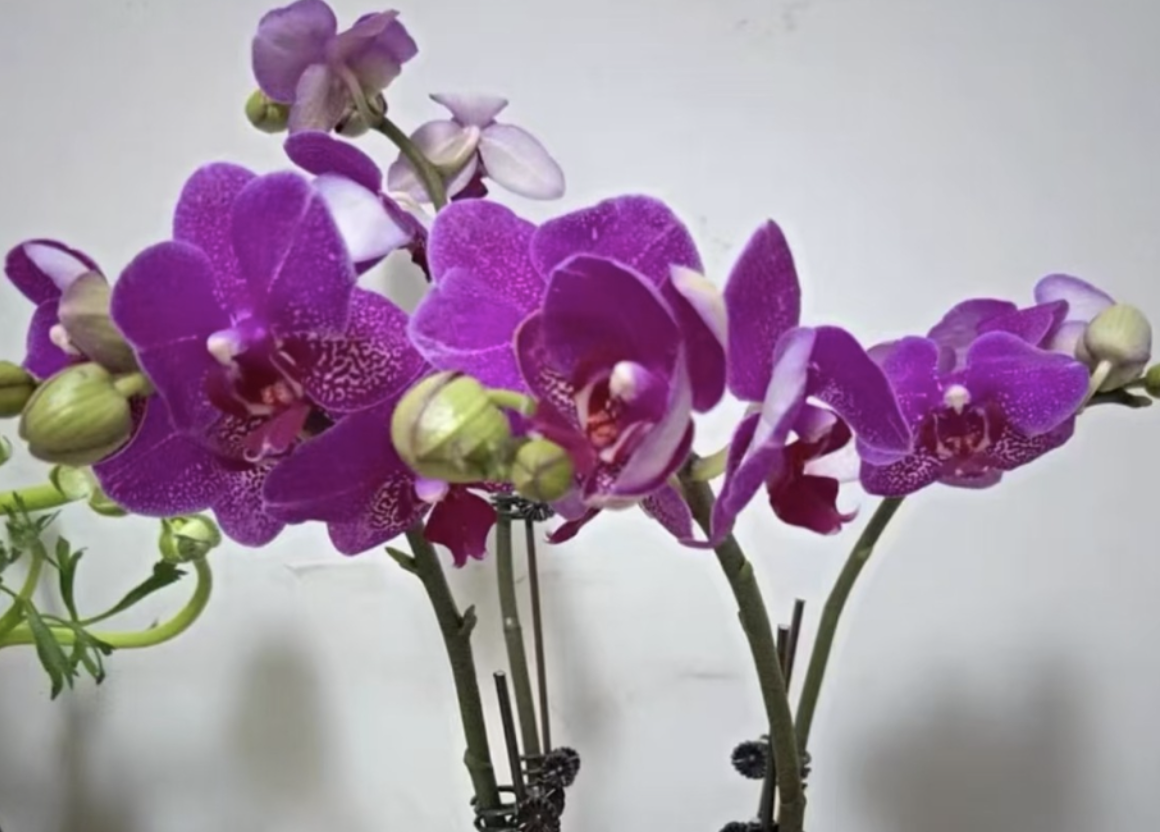
What is the ideal root length for Phalaenopsis orchids?
As the Lunar New Year approaches, one of the most popular indoor potted plants is undoubtedly the Phalaenopsis orchid. Once it blooms, its beautiful flowers
-
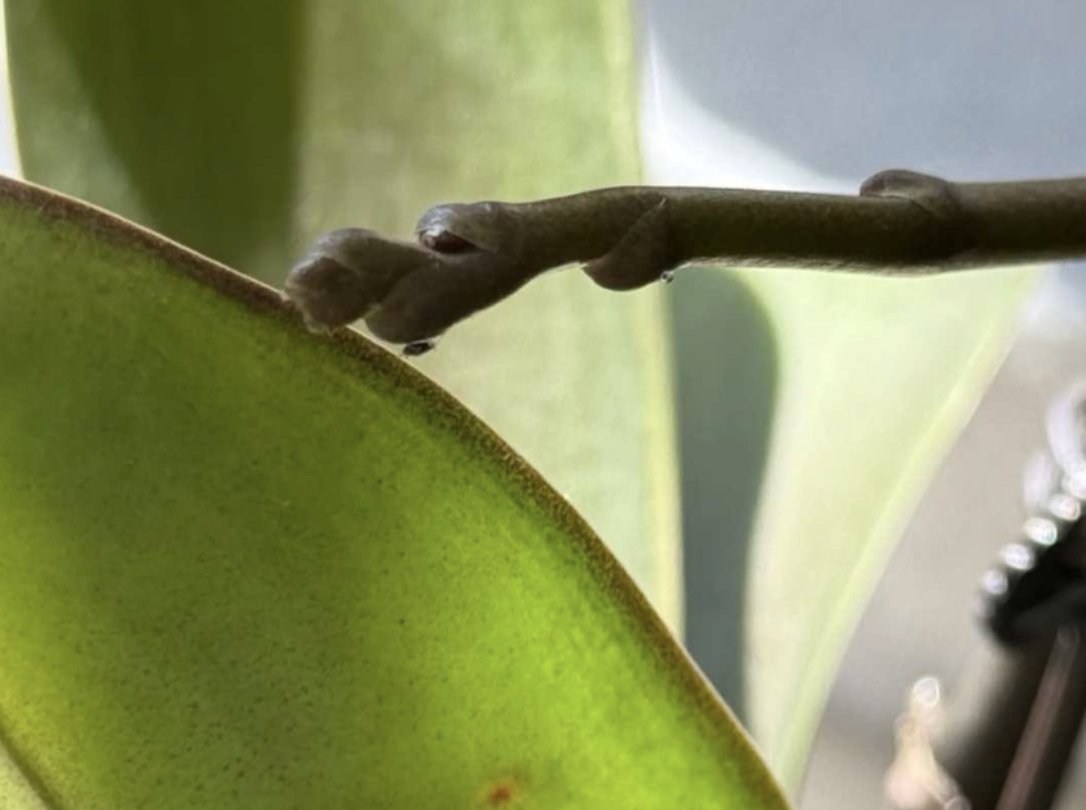
What are the three simplest methods to deal with mealybugs on butterfly orchids?
In recent years, butterfly orchids have become incredibly popular worldwide, with many people keeping one or two pots as a trend. However, while buying them is
-

What do empty roots on a Phalaenopsis look like, and how should you deal with them?
At first glance the pot seems full of roots, but when you dig in, they are all "hollow fakes." Phalaenopsis is a widely popular ornamental flower, but during care it often runs into the problem of empty roots, which seriously affects plant health. Actually, empty roots are not that scary. First understand what they look like, then follow the steps to rescue the plant, and the orchid can still recover. Phalaenopsis empty roots are
-
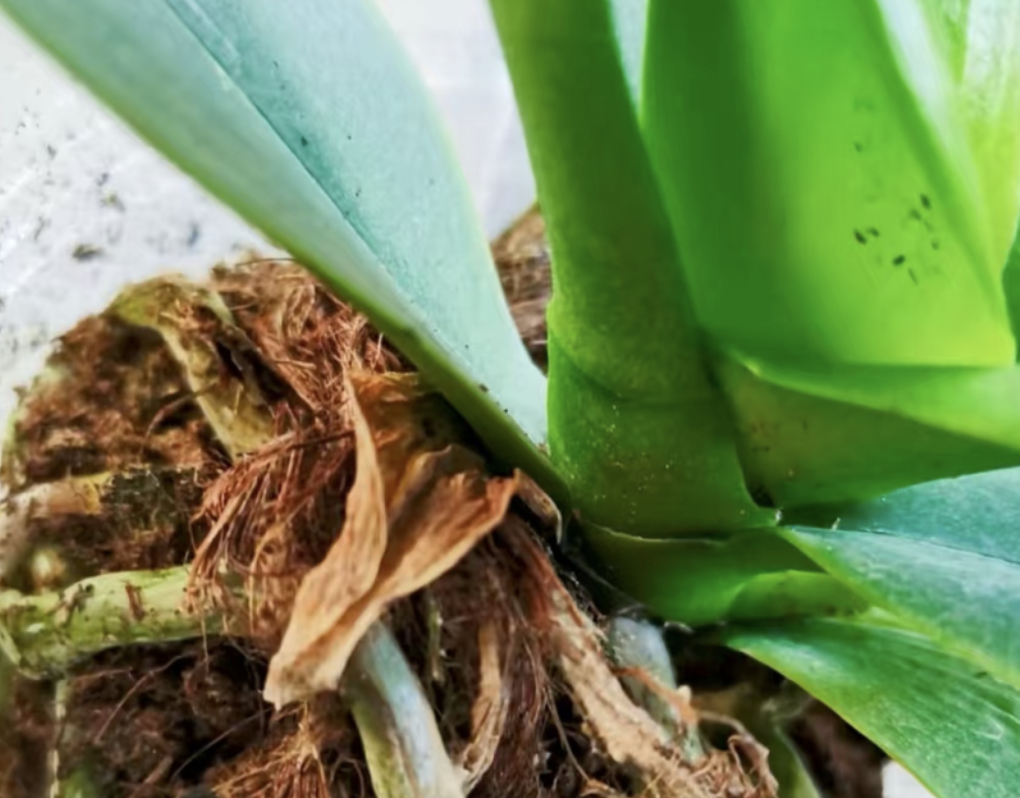
What is the ideal light intensity after repotting Phalaenopsis orchids?
To keep plants healthy, aside from daily watering, fertilizing, temperature control, and avoiding intense sunlight, repotting is also an important task. For
-
Will Phalaenopsis die from high temperature and high humidity? Clever little tips for dealing with too much humidity
It is well known that growing flowers and plants depends on the weather, especially for the relatively delicate "Phalaenopsis" (moth orchid). Besides adding shade tools in summer, you also need to move it to a relatively cool spot, and it cannot be placed outside the balcony, because after hot weather comes more rain, and at this time high temperature + high humidity kills quite a few
-

Can a Phalaenopsis survive after all its roots have rotted? Let me show you how to deal with the woody root core
As quality of life improves, many people like to buy one or two good-looking plants at the flower market, and among them the Phalaenopsis is the flower most people choose. With more people buying them, more and more care problems have appeared too; yellow leaves and flowers withering early because of root rot are also common occurrences, and when you run into a similar situation
条件筛选