-

Pepperwood and Fragrant Pistacia Are Not the Same Thing: 3 Tricks to Tell Them Apart Easily
Recently someone asked: "I bought a fragrant pistacia online, why does it seem more and more off the longer I grow it?" Most likely you got cheated -- nine times out of ten you bought a pepperwood! These two look so much alike, and sellers love to mix them up, especially at the seedling stage; if you don't look carefully, you really can mistake one for the other. Today I'll teach you 3 tricks to tell them apart, so you'll never
-
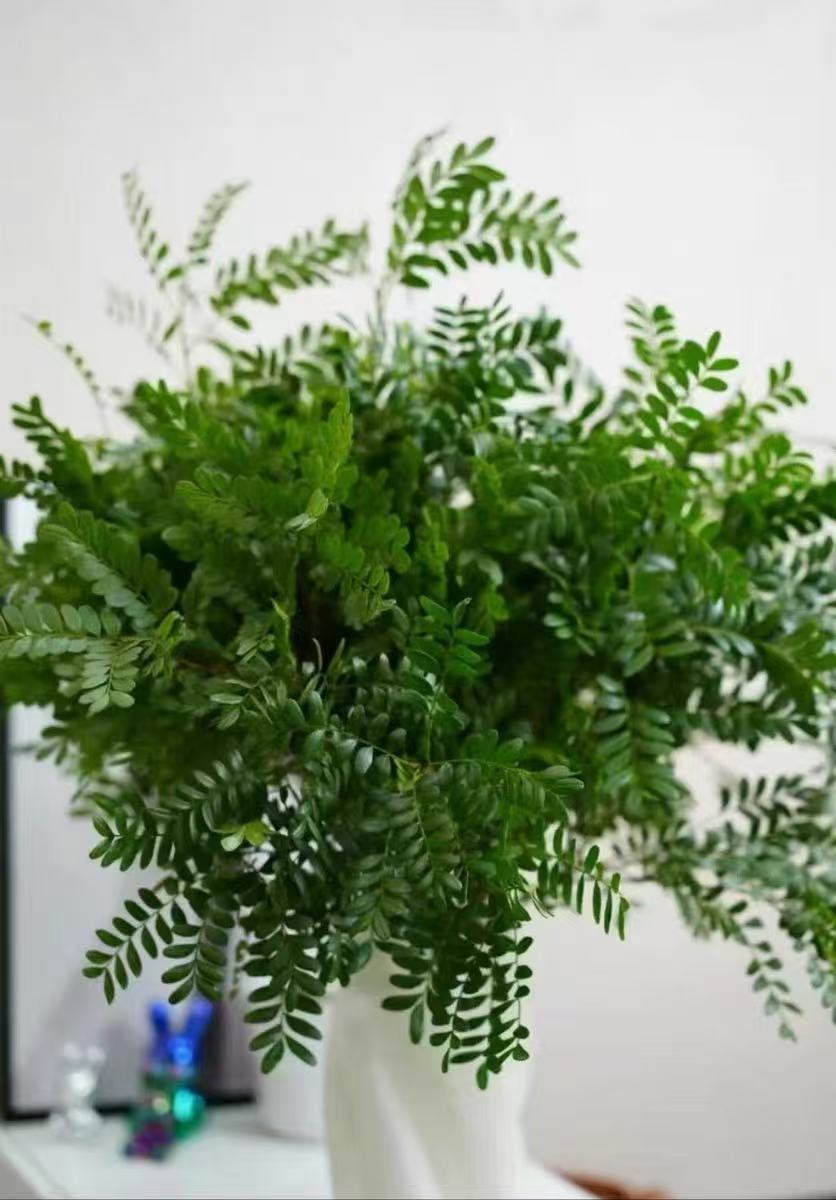
What is the cold tolerance of Pistacia weinmannifolia?
Pistacia weinmannifolia, as an evergreen shrub or small tree, is favored by many gardening enthusiasts for its unique ornamental value and fresh fragrance.
-

Is Qingxiangmu (Pistacia weinmannifolia) suitable for growing indoors? Learn about its benefits and effects
Is Qingxiangmu suitable for indoor care? From the perspective of its growing environment, Qingxiangmu prefers a warm location with plenty of light, but it also has a certain tolerance for shade. This means that indoors, as long as proper light and temperature conditions can be provided, Qingxiangmu can survive. However, it should be noted that the indoor environment
-
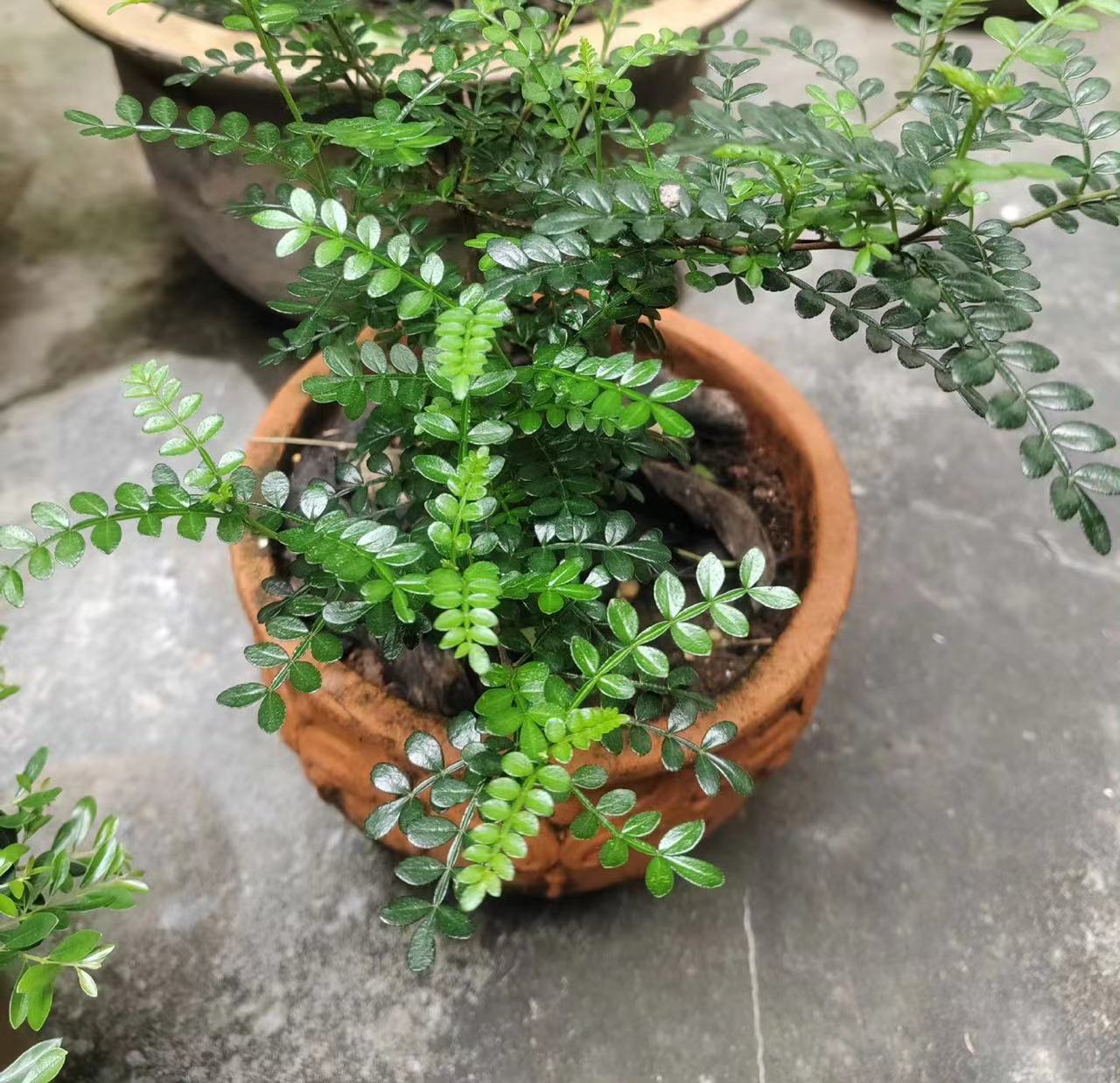
What are the effects and functions of Pistacia weinmannifolia?
Is Pistacia weinmannifolia suitable for indoor maintenance? From the perspective of the growth environment, Pistacia weinmannifolia likes a warm and well-lit
-
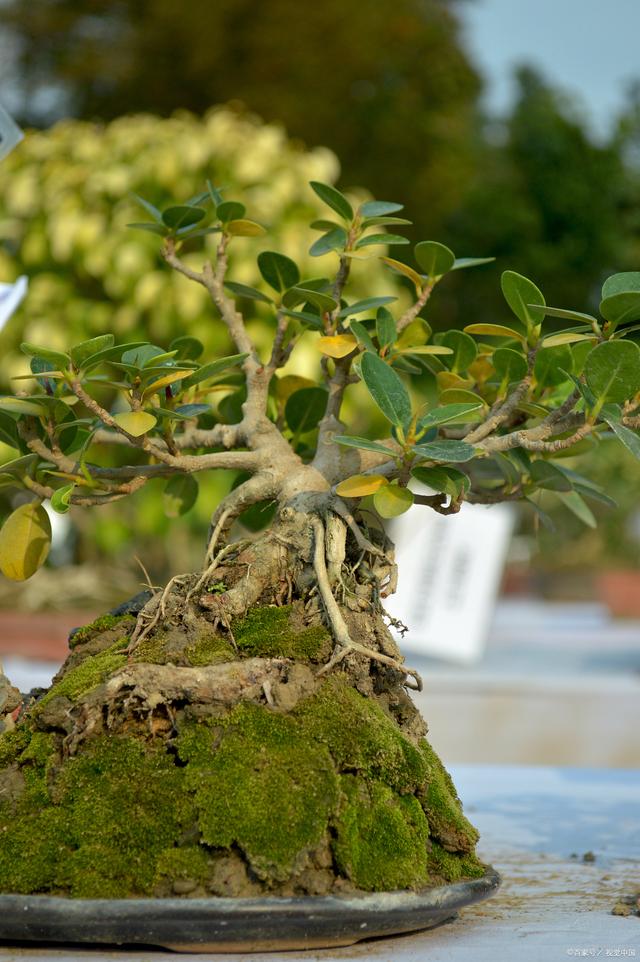
What should be noted when raising Pistacia weinmannifolia at home?
Pistacia weinmannifolia, scientifically known as Pistacia weinmannifolia, is a shrub or small tree belonging to the Pistacia genus of the Anacardiaceae family.
-

A Detailed Guide to Selecting and Growing Pistacia chinensis Seeds
Pistacia chinensis, also known as Huanghuanglian tree, Huanglian tea, and other names, is a tree in the Anacardiaceae family, genus Pistacia, native to China, and an important oil and timber tree species for afforestation on arid limestone mountains. In addition, Pistacia chinensis has a tall, full crown and slender, graceful leaves, and can also be used as an urban ornamental landscaping tree.
-
How to Grow the Fragrant Pistacia? A Detailed Guide to the Latest Cultivation Methods
The fragrant pistacia (Pistacia weinmannifolia) is a sun-loving tree, but it also tolerates slight shade. It likes warmth, requires deep soil, has strong sprouting ability, grows slowly and lives long, but its seedlings are not very cold-hardy and need protection in North China. The plant can withstand low temperatures of -10°C and prefers soil that is well-lit and not prone to waterlogging.
-
Why does Pistacia weinmannifolia keep dropping its leaves?
Pistacia weinmannifolia is a sun-loving tree, but it is also slightly tolerant of shade. It likes warmth, requires deep soil layers, has strong sprouting ability, grows slowly, and has a long lifespan. However, seedlings are not very cold-hardy and need protection in North China. The plant can withstand low temperatures of -10°C and prefers soil with ample sunlight and no water accumulation.
-
How to make a Qingxiangmu (Pistacia weinmannifolia) bonsai? Latest method explained in detail
The tender leaves of Qingxiangmu (Pistacia weinmannifolia) are red, glossy, exquisite in color and form, slow-growing, easy to shape, with a faint fresh fragrance, and they help purify the air and repel mosquitoes and flies. But do you know the production method and care management of Qingxiangmu bonsai? Below, the editor will introduce it to you.
-
How to water Qingxiangmu (Pistacia weinmannifolia) best? Detailed guide to the correct watering method
Qingxiangmu, also known as Qingxiang tree, Xiangyezi, Ziyoumu, Hubantan and others, is an evergreen shrub or small tree of the genus Pistacia in the Anacardiaceae family, often growing wild under limestone forests or in thickets at altitudes of 580 to 2700 m. It gets its name because the leaves give off a fresh fragrance when picked or rubbed. In recent years
条件筛选