-

Artificial Cultivation Techniques for the Ferula Mushroom, Key Points for Mushroom Emergence Management, and Its Effects and Functions
In our daily life, besides eating various fruits, vegetables, and meats, there is another delicious food material, which is fungi. Among them, the cultivation of fungi is also a great field of knowledge. So what are the techniques for artificially cultivating the Ferula mushroom? How should it be managed after mushroom emergence? What are its effects and functions?
-
What are the main pests and diseases of the Ferula mushroom? Detailed explanation of control methods
I. Infection routes of pests and diseases 1. Natural spread During the process of spawn production and cultivation of edible fungi, the slightest negligence allows pathogen spores to invade the spawn and culture bags, while pests lurk in waste materials, weeds and dead branches and fallen leaves around the mushroom house, developing, laying eggs and reproducing, seriously harming edible fungus production. 2. Seed-borne infection The mother spawn, stock spawn or cultivation spawn used, without strict inspection, is mixed with contaminating fungi and pests; using such spawn for production leads to complete infection. II. Diseases and their control 1. True
-
Detailed Cultivation Techniques for White Ferula Mushroom: Planting Methods and Management Key Points
White Ferula Mushroom, also known as White Ferula Mushroom, originates from **, hence it is also called Tianshan Divine Mushroom. Its cultivation technique is simple, with a short cycle and strong adaptability; it is tender in texture and fresh in taste, with pure white color, and is a rare edible mushroom of high nutritional value. The mycelium of White Ferula Mushroom is denser and whiter than common Pleurotus varieties, with strong resistance to contamination; the fruiting bodies grow in clusters or singly, the mushroom body is pure white, the flesh is plump and thick, the stipe is thick and long, the cap is crisp and tender in texture, with white gill lines, and the strips are straight; at maturity the cap top curls inward, and it is suitable for long-distance transport, with a single fresh mushroom weighing 50-160 grams. This mushroom belongs to the medium-low temperature type mushroom fungi, and the mycelium
-
Detailed Explanation of Key Points for Organic Cultivation of the Ferula Mushroom
Cultivation season: The suitable temperature for the mycelial growth of the Ferula mushroom is 5°C to 32°C, but it grows fastest in an environment at 25°C, and the best temperature for fruiting body growth is 8°C to 15°C. When cultivating the Ferula mushroom, spawn bags are generally made from September to October, and fruiting management is carried out from November to April of the following year. Cultivation site and cultivation method: Rural idle houses (which must be renovated) can be used as cultivation sites, and if underground facilities (civil air-defense tunnels, national defense projects, basements) are equipped with light sources and ventilation facilities, they can also be used as cultivation sites. The Ferula mushroom is mainly cultivated
-
Detailed Explanation of Key Points for Organic Cultivation of the Ferula Mushroom
Cultivation season: The optimal temperature range for the growth of Ferula mushroom mycelium is 5°C to 32°C, but it grows fastest at 25°C, and the best temperature for fruiting body growth is 8°C to 15°C. When cultivating the Ferula mushroom, spawn bags are generally made from September to October, and fruiting management is carried out from November to April of the following year. Cultivation site and cultivation methods: Rural idle houses (which must be renovated) can be used as cultivation sites. If underground facilities (civil air defense tunnels, national defense projects, basements) are equipped with light sources and ventilation facilities, they can also be used as cultivation sites. Ferula mushroom
-
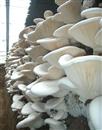
How to achieve pollution-free pest and disease control in white ferula mushroom (Pleurotus nebrodensis) cultivation?
How do you achieve pollution-free pest and disease control when growing white ferula mushroom? Please explain the methods. For pollution-free pest and disease control in white ferula mushroom, you can refer to the following methods: maintain good environmental hygiene at the mushroom yard, disinfect and sterilize before use, promptly wash and disinfect tools, transport discarded material to a place far from the mushroom house, ensure the growing substrate is fresh, free of mold, and thoroughly sterilized, ...
条件筛选