-

Chinese Plum Yew (Cephalotaxus fortunei) Price, Benefits and Effects, and How It Differs from Yew
Chinese plum yew (Cephalotaxus fortunei), a traditional Chinese medicine name, also known as Tibetan yew, is the seed, root, or branches and leaves of the plant Cephalotaxus fortunei of the family Cephalotaxaceae. The bark is harvested throughout the year, dried in the sun and used raw; the seeds are picked in autumn; the roots, branches and leaves can be collected in all four seasons, and are used raw or stir-fried until cooked. So how much is Chinese plum yew? What
-
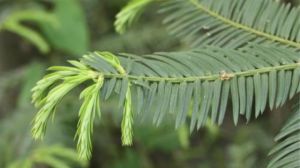
What is the difference between Torreya grandis and Cephalotaxus sinensis? A quick guide to telling them apart
Leaf differences: Torreya grandis leaves are linear, arranged in two rows, with a protruding pointed tip; Cephalotaxus sinensis leaves are also linear, arranged in two rows, with a nearly rounded base and a prominent midrib. Flower differences: the male cones of Torreya grandis are cylindrical; the male cones of Cephalotaxus sinensis are ovoid and arranged in head-like clusters. Fruit differences: the fruit of Torreya grandis is elliptical and turns pale purplish-brown when ripe; the fruit of Cephalotaxus sinensis is ovoid or nearly spherical.
条件筛选