-

What is the difference between blue daisy (Brachyscome) and marguerite daisy, and which one is easier to grow?
Walking into a flower market, thousands of flowers and plants greet the eye. For beginners just stepping into the world of flowers, everything seems novel, and at the same time some flowers and plants look extremely similar, and they worry about being ripped off by the stall owner like a sucker. Among them, blue daisy (Brachyscome) and marguerite daisy are the two plants that novice flower lovers most easily mistake for each other. How
-
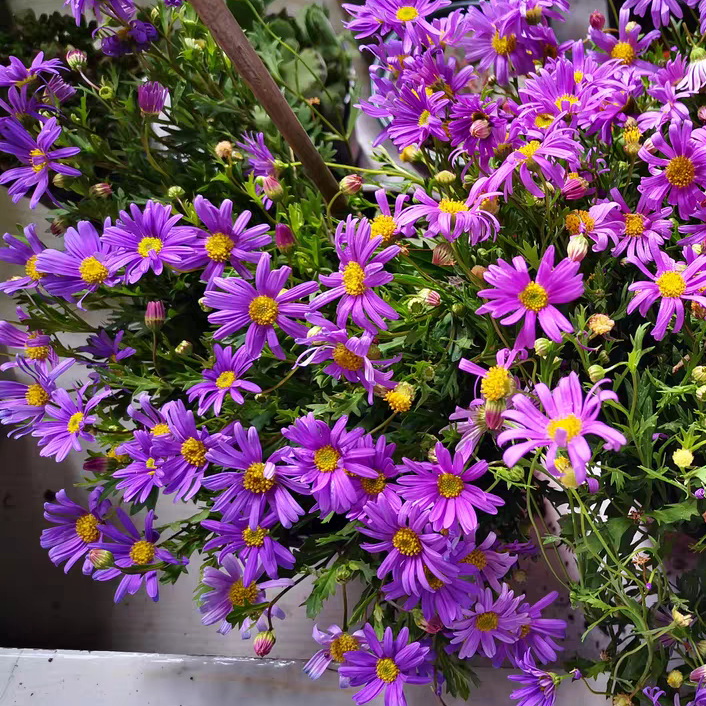
What's the flower language and symbolic meaning of Brachyscome iberidifolia?
Brachyscome iberidifolia is a much - loved flower. Its plant is relatively low and compact, and the flowers are small and delicate but very abundant. From a
-

Do Brachyscome seedlings need acclimatisation? Care for them like this right after buying
Summer has arrived again in the blink of an eye, and many plants and flowers find it hard to get through the summer. Some drop their buds, and some go straight into dormancy. But one flower is still blooming beautifully, and that is the Brachyscome (Brachyscome multifida). It is a tough, easy-to-grow plant that can bloom 365 days a year. The editor recommends that beginners buy a pot and take it home.
-

How to Prune Brachyscome: A Detailed Guide to the Correct Pruning Method
Brachyscome is a plant that many friends grow at home. Its colors are delicate and it easily fills out a pot, making it suitable for beginners. But during the growing process, people often run into the problem of not knowing how to prune. Today, the editor will introduce Brachyscome pruning methods to everyone. Let's take a look together!
-
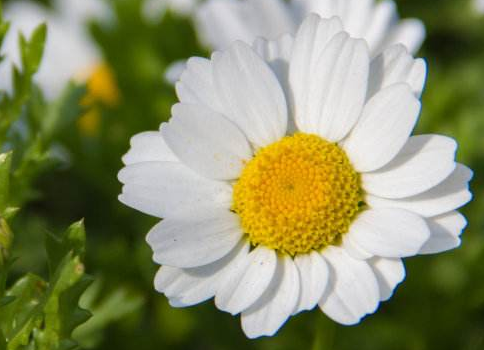
What are the key points to note when growing annual chrysanthemum (Brachyscome iberidifolia)?
1. Soil: For potted annual chrysanthemum, it is best to use loose, fertile sandy soil, which has good air permeability and is more conducive to plant growth. 2. Temperature: The suitable growth temperature for annual chrysanthemum is 15°C-25°C. It is cold-tolerant but not heat-tolerant. If the temperature drops below -5°C, the leaves will be frostbitten, but rising temperatures will not affect growth.
条件筛选