-
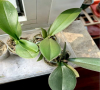
What experience is there in caring for Phalaenopsis orchids? How to care for and manage them after cutting the spike
Flowers bloom and fade, and post-bloom care of Phalaenopsis orchids becomes the top priority. For beginners, what care points should we master after cutting the spike? After cutting the spike of a Phalaenopsis orchid, you need to do a good job with light, watering, temperature, fertilizing and other steps. In detail, light is the plant's "source of energy," and what orchids like is that bright
-

Repotting Sick and Weak Phalaenopsis Orchids Requires Care: Save the Seedlings in These 5 Steps
When a Phalaenopsis orchid's leaves turn yellow and go limp, and its roots are either half rotted or shriveled and lifeless, repotting is the "key to saving its life." But many people panic and act rashly: they just rip off the old medium, casually trim the roots, and switch to a bigger pot, only to find the orchid gets weaker with each change until it dies. In fact, repotting sick and weak orchids
-

Is it normal for Phalaenopsis roots to turn black? How to judge healthy root color
Some friends who grow Phalaenopsis orchids panic the moment they see roots that aren't the white they imagined, especially when black appears: "Is it root rot? Is this plant beyond saving?" In fact, Phalaenopsis roots come in many colors, and not all black roots are a problem. First figure out "what a normal root should look like", then judge whether blackening is normal.
-

Tired of root rot when growing flowers? Tuck a few small things into the pot for better airflow and drainage, and the roots will grow stronger
The biggest headache in growing flowers is root rot - you clearly don't water much, yet the plant still droops, and when you take it out of the pot it's all black, mushy rotten roots, heartbreaking and a waste. Actually, the core problem with root rot is just one thing: water accumulates in the pot and can't drain out, so the roots are smothered in wet soil and lack oxygen. Don't just blame yourself for being heavy-handed with the watering can - add some "small things" to the pot,
-

Choose These 5 Peak-Season Flowers to Grow in September, and Even Beginners Can Get Them Looking Great
September weather is neither too cold nor too hot, making it the perfect golden period for growing flowers, and many flowers grow like crazy at this time. If you do not know what to choose, do not buy at random! Dahlia, nasturtium, pansy, begonia, and chrysanthemum, these five are sure to work at this time, and even a complete beginner can handle them easily. Dahlia:
-
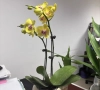
How to Protect the Buds of a Phalaenopsis Orchid After It Stops Blooming So It Blooms a Second Time
When a Phalaenopsis orchid is in bloom, it looks elegant and grand, but after the flowers fade, many growers do not know how to care for it. In fact, as long as you do these 4 steps well - pruning, light, temperature, and water and fertilizer - you can both protect healthy buds to encourage a second bloom and store up enough nutrients for the next flowering season, so that when it blooms again it has more flowers and more vivid colors! 1. Pruning spent flowers: first observe the condition of the flower stalk
-

The Art of Repotting Phalaenopsis Orchids: The Best Time and Key Precautions
In the process of growing Phalaenopsis orchids, repotting is not simply a "task to be completed" - choosing the right timing means helping the plant root better and spread out its roots in a suitable way, building strength for its next bloom. After all, Phalaenopsis roots are rather delicate: repot too early and flowering suffers, too late and the roots suffocate, so finding the right moment matters more than anything. First
-

Don't panic if your Christmas cactus (Schlumbergera) has soft leaves! Identify the 5 main causes and treat them accordingly, and the leaves will soon be firm again!
When the leaves of a Christmas cactus are thick and green, it looks especially lively, but soft leaves are a common problem in care - some become wrinkled and dull, while others wilt so much they droop at the slightest touch. In fact, soft leaves are mostly caused by improper care, so find the cause and treat it accordingly, and it will soon regain its plumpness! 1. Lack of water and dry wilting: the potting soil is cracked and the leaves are shriveled
-

How to humidify Phalaenopsis orchids in the north? Practical ways to maintain indoor humidity
For gardening friends in the north growing Phalaenopsis orchids, the biggest headache is probably the humidity problem - clearly light and watering are done according to tutorials, yet the orchid leaves are still dry and shriveled, and may even have root rot. In the end, it is simply that the air is too dry! Phalaenopsis orchids are native to tropical forests and are used to a humid environment of 60%-80%. In our north, once the winter heating is turned on,
-

When is the best time to repot a Phalaenopsis orchid?
In the process of growing Phalaenopsis orchids, when it comes to repotting, choosing the right timing is not simply "completing a task," but rather using the appropriate approach to help it root better, stretch out, and build up strength for its next bloom. After all, Phalaenopsis roots are rather delicate - repot too early and it affects blooming, repot too late and the roots get smothered. Finding the right timing matters more than anything.
条件筛选