-

How to Separate Phalaenopsis Keikis and the Right Size for Transplanting
When growing Phalaenopsis orchids, spotting a keiki on the plant means you have a chance to propagate a new plant. However, mastering the correct methods of separating and transplanting the keiki is crucial, as it determines whether the new plant can grow healthily. When the keiki of a Phalaenopsis reaches 2 - 3 cm in height and has at least one mature leaf
-

Recommended Indoor Green Plants That Are Effective at Removing Formaldehyde in New Homes
In a newly renovated house, the formaldehyde problem is always a source of great worry. As the "number one killer" of indoor air pollution, long-term exposure to formaldehyde poses a serious threat to human health. Among the many methods of removing formaldehyde, using green plants to purify the air is both economical and beautiful and natural. Schefflera: Schefflera is a plant of the genus Schefflera in the family Araliaceae
-

What Happens When a Phalaenopsis Orchid Lacks Water? A Detailed Explanation of Symptoms Such as Yellowing Leaves
During the care of Phalaenopsis orchids, water management is a key part. When a Phalaenopsis orchid is short of water, the plant faces a series of survival challenges, and whether yellowing leaves are caused by lack of water is a focus of attention for many gardening enthusiasts. Effects of insufficient water on Phalaenopsis orchids: stunted growth and development: the physiological activities of the Phalaenopsis orchid, from
-

What problems do Phalaenopsis keikis cause, and do they need to be divided?
During Phalaenopsis care, the growth of side shoots (keikis) is a phenomenon that delights and confuses many growers. They are delighted by the vigorous growth of life, yet due to lack of experience they hesitate about how to handle the keikis. What effects does the appearance of keikis actually bring? And do they need to be divided? Problems caused by Phalaenopsis growing keikis
-
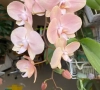
Causes and Solutions for Stem Rot in Phalaenopsis Orchids
Phalaenopsis stem rot is a common and fatal disease, mostly caused by overwatering and poor ventilation. If not rescued in time, the plant often withers within 1-2 weeks. Below is an effective rescue procedure for Phalaenopsis stem rot. 1. Treatment. 1. Excision: Using a sterilized knife, cut upward from the base of the diseased stem until the cut surface shows white, healthy tissue. If
-
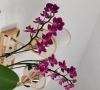
Does the Phalaenopsis Red Wine have a long blooming period, and is it easy to care for?
Today I'd like to introduce this Phalaenopsis that comes with its own filter - Red Wine. Phalaenopsis Red Wine is a small-to-medium flower type, with velvet rose-red petals edged in aurora white. Compared with Phalaenopsis Mantianhong, Red Wine has a deeper, richer color. Whether as a single stem in a vase or in a combined bouquet, it instantly elevates the style of any space. Phalaenopsis Red
-
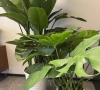
What plants are suitable for growing indoors when the light is poor?
Want to grow green plants but worried they will die without sunlight? Today I will introduce several green plants that can grow like crazy even without sunlight. Monstera: Monstera has broad leaves with irregular holes and splits, clear veins, and a rich tropical feel. Large plants can reach more than 2 m tall, while small potted ones are suitable for tabletop placement. It can grow in diffused light to semi-shade environments
-
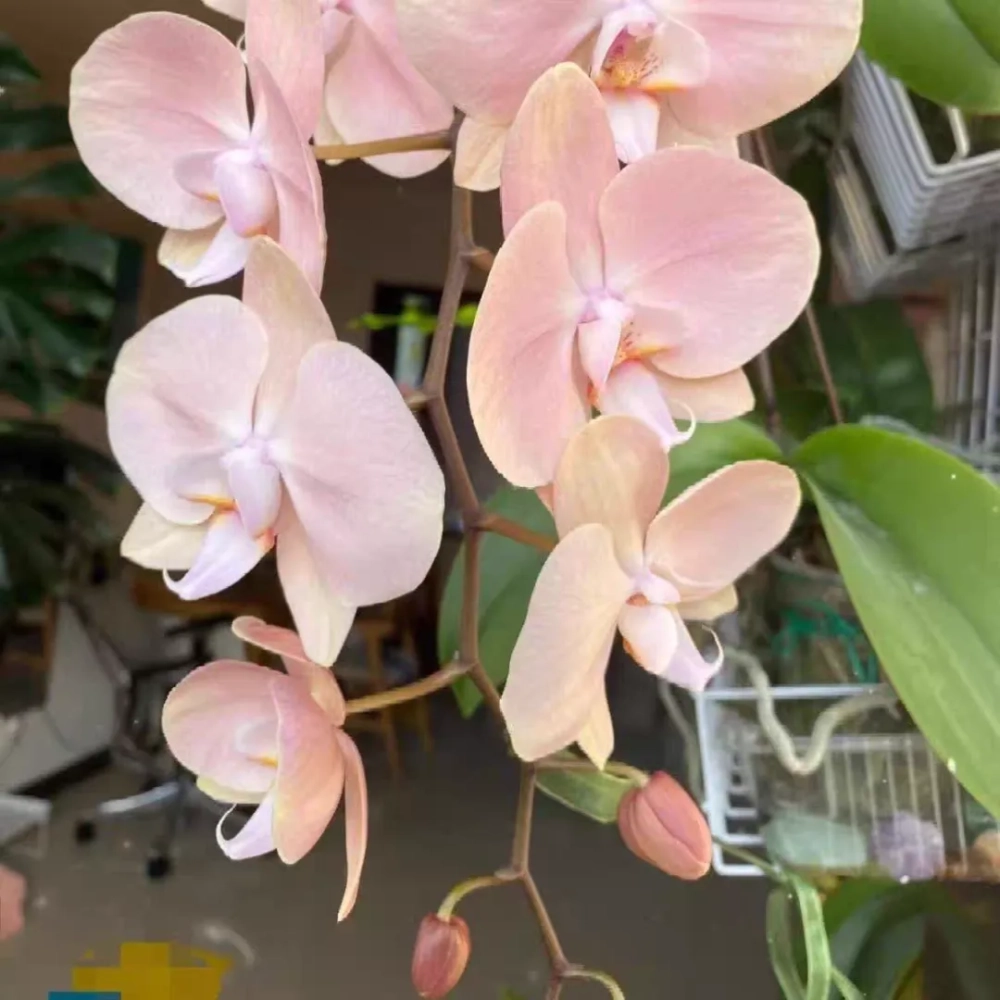
What causes the stem rot of Phalaenopsis orchids?
The stem rot of Phalaenopsis orchids is a common and fatal disease, which is mostly caused by excessive watering and poor ventilation. If not rescued in time,
-
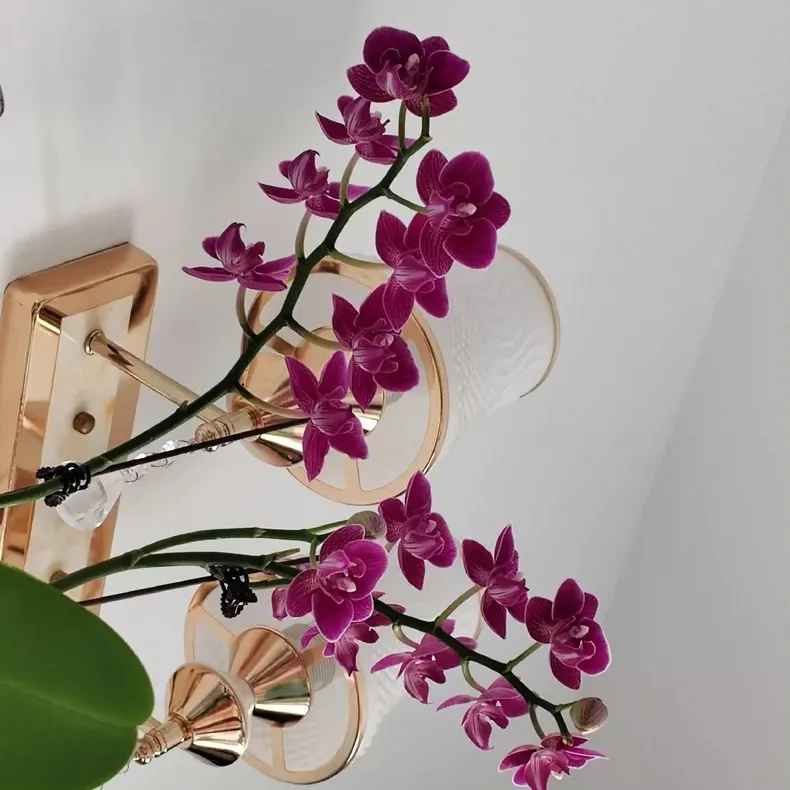
Does the Phalaenopsis "Red Wine" have a long flowering period?
Today, I'd like to introduce to you this Phalaenopsis orchid that seems to come with its own filter effect — "Red Wine". The Phalaenopsis "Red Wine" is of a
-
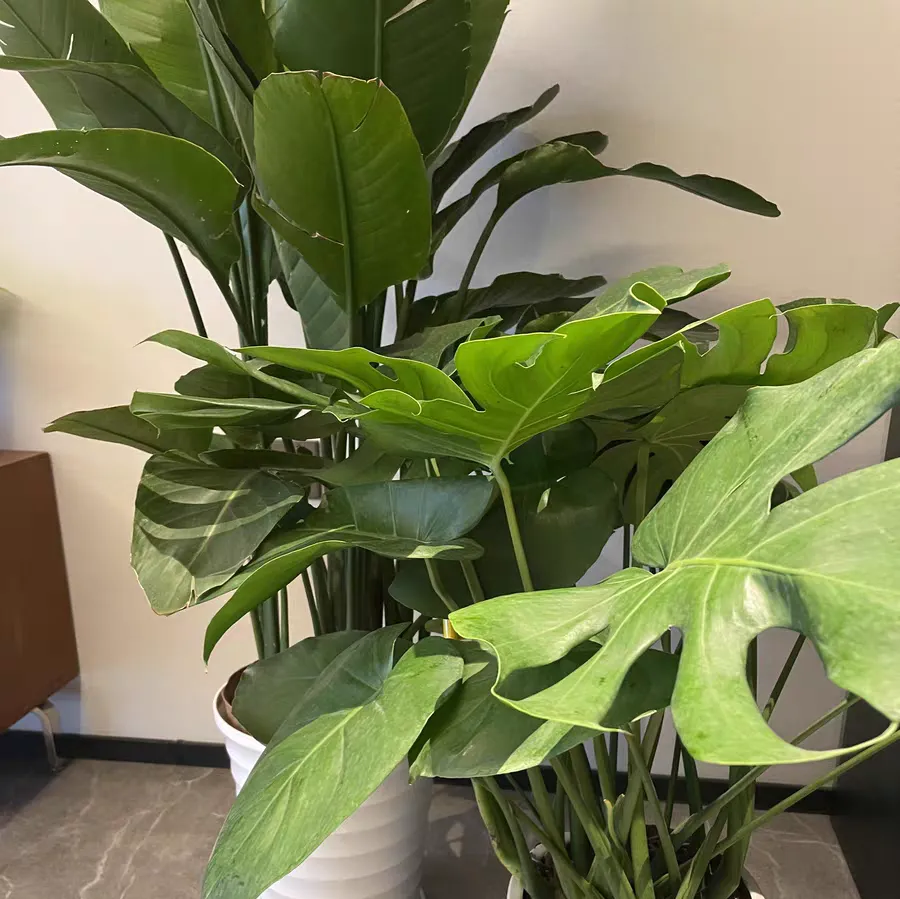
Plants suitable for being placed in places with poor indoor lighting.
Do you want to grow green plants but are afraid that they will die without enough sunlight? Today, I will introduce you to several types of green plants that
条件筛选