-

What are the common colors of Phalaenopsis orchids, and which color is easier to keep alive?
Growers of Phalaenopsis orchids have surely noticed that the colors of this flower are as varied as a spilled paint palette. In fact, the common colors of Phalaenopsis orchids are neither too many nor too few, and you can always find one you like. The most classic is the white Phalaenopsis, clean and pure, with petals like jade carvings, carrying a touch of translucence.
-

Not All Viral Houseplants Are Easy to Grow: These Four Are Ones to Avoid
Lately, whenever I scroll through short videos, I keep seeing all kinds of "lazy-person houseplants." Watching people have these tall, green plants at home, with comment sections full of "beginner-friendly" and "they survive no matter how you grow them," I couldn't resist jumping on the bandwagon and bought a few pots. Now my balcony is almost a houseplant graveyard. Today let's dig into those overhyped viral houseplants, especially these four
-

What Are the Winter-Blooming Phalaenopsis Varieties? Popular Picks Recommended
Today I've rounded up 5 Phalaenopsis (moth orchid) varieties that are perfect for blooming in winter, stunningly beautiful and tough, easy enough for beginners to handle. Kali: a small to medium-sized flower with white-green petals paired with a yellow-green lip, fresh and elegant, abundantly floriferous, with more than 10 blooms per spike, flowering from December to February of the following year, gentle and refined. Turkan: light pink flowers
-

How do you choose varieties of Phalaenopsis orchid seedlings? I'll teach you how to pick good varieties
Phalaenopsis orchids are easy to grow and keep alive, with a long blooming period and high ornamental value, making them a popular choice for holidays. But the market has a confusing mix of varieties and plenty of shady practices. Learn these few points and you can easily avoid the traps when buying. 1. First look at the leaves. The leaves are the Phalaenopsis orchid's "nutrient warehouse," and especially during peak bloom they consume a large amount of nutrients, so the condition of the leaves directly determines how well it will grow afterward.
-

Why Tomatoes Develop Stunted Fruit After Flowering and How to Handle It
Your tomato plants have flowered and set fruit, yet one by one the fruits just sit there on the vine without growing? Those small, hard, stunted fruits are a depressing sight. You clearly haven't skimped on watering or fertilizing, so where exactly is the problem? Today let's talk about the causes of stunted tomato fruit and how to solve them. Why do perfectly good fruits end up "frozen" in place? In fact, stunted tomato fruit is mostly
-
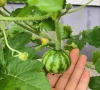
What causes fruit rot after watermelon fruiting
Watermelon rot during the fruiting period is mostly related to pests and diseases and improper environmental management, and targeted prevention and control are needed. Today let me explain it properly to everyone. I. Main causes 1. Pest and disease infestation Bacterial soft rot: under high temperature and high humidity conditions, pathogens invade through wounds, causing the flesh to rot and stink, and water-soaked lesions appear on the rind. Charcoal rot
-

Can a sick Phalaenopsis survive? A guide to common diseases
Can a sick Phalaenopsis survive? It depends. Actually, as long as it is discovered early and treated promptly, it can be saved most of the time. But if you wait until the disease has spread, the roots are mostly rotted, and all the leaves are wilted, then it may really be too late. So the key is not to wait - act as soon as you see something wrong. So the Phalaenopsis
-

What are the similarities and differences between the division methods for Phalaenopsis seedlings and side shoots?
When it comes to the division methods for Phalaenopsis seedlings and side shoots, they really are not the same thing at all. There are clear differences in how you go about it, and you need to choose the right approach based on the condition of the plant. If beginner growers mix them up, they can easily ruin the plant. When a Phalaenopsis reaches a certain stage, separate little plantlets will sprout beside the mother plant. These plantlets look
-

Which indoor flowers can be cut and kept in water as fresh cut flowers?
Can cut flowers keep growing once you put them in water? Well, it depends on the situation. Strictly speaking, a cut flower is already in a "detached" state - the roots are gone, so it can't absorb nutrients the way it does in soil, which means it can't truly grow - it won't produce new leaves or new flower buds. But with proper care, you can keep it fresh and extend its blooming time.
-

What flowers are suitable for planting in July and August? August flower-growing recommendations
In the scorching summer, people walking outdoors may need to drink more water, or when necessary hide in air-conditioned shopping malls to get some air. Come August, as temperatures climb every day, what other green plants can be started now? Kale: Kale is a summer vegetable; planted in August, it may sprout leaves in about a week.
条件筛选