-
Which plants bloom more vigorously the more you prune them, and which flowers have the longest blooming period and look the best?
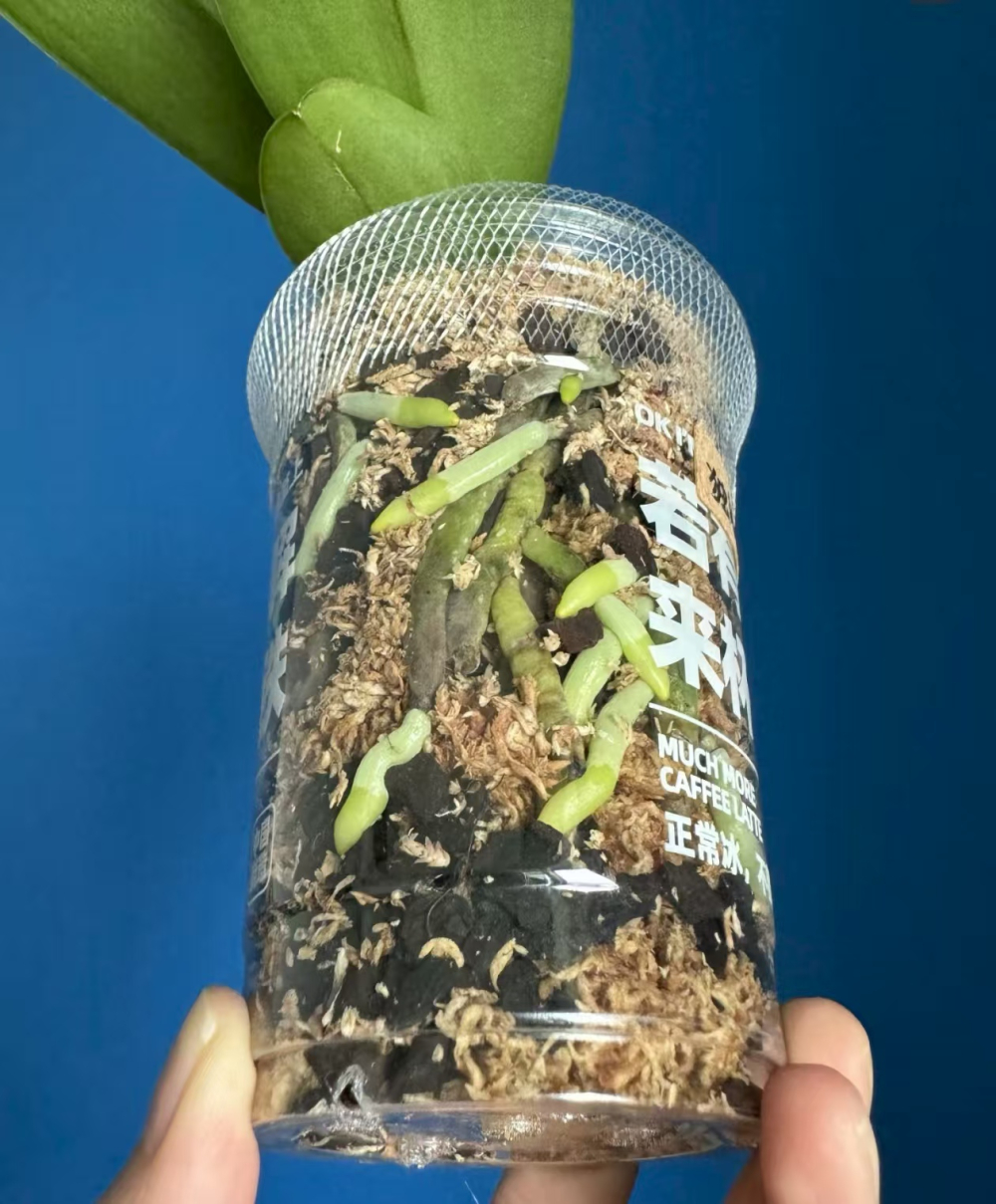
Generally speaking, if a Phalaenopsis orchid's condition suddenly takes a nosedive, besides improper daily care, it could also be because the medium in the pot has become compacted; the media commonly used for orchids include sphagnum moss and bark. Among them, when sphagnum moss becomes airless, it easily develops mold and a foul smell inside, and the roots get dragged down with it.
-

How to Grow Phalaenopsis with Few Roots So It Develops a Vigorous Root System
Behind the elegant flowers of the Phalaenopsis orchid lies the support of a strong, well-developed root system. During care, many growers run into the problem of a Phalaenopsis having few roots, which not only affects the plant's growth but may also hinder flowering. So how exactly can you get a Phalaenopsis with few roots to produce more roots and thus develop a vigorous root system? First,
-

Which flower varieties grow more vigorously the more you prune them, and bloom more after pruning?
Experienced flower growers should know well that when caring for plants, besides providing the right light, watering, ventilation and fertilizing, proper pruning is also necessary, because only after pruning can the plants keep a beautiful shape and subsequently grow even better and more vigorously. Among them, the several flowers mentioned below grow even more vigorously the more they are pruned. Rose
-

Why isn't my Phalaenopsis orchid growing a vigorous root system, and can it still survive?
Many gardening enthusiasts run into a puzzling problem when caring for Phalaenopsis orchids: why isn't my Phalaenopsis growing a vigorous root system? A vigorous root system means the orchid's roots are well developed and strong enough to support lush growth, and it is an important indicator of the orchid's health. When a Phalaenopsis doesn't grow a vigorous root system, what should we
-

Why do hydroponic Phalaenopsis orchids get root rot? Grow them this way for more vigorous growth
The Phalaenopsis orchid can be described as one of the must-buy flowers every Spring Festival, and Phalaenopsis cultivation is divided into soil and hydroponic methods. In recent years, hydroponic Phalaenopsis has also begun to be loved by the public. However, when it comes to hydroponic care, quite a few flower lovers face the problem of it being difficult to maintain; for example, many people find that their hydroponic Phalaenopsis is prone to
-
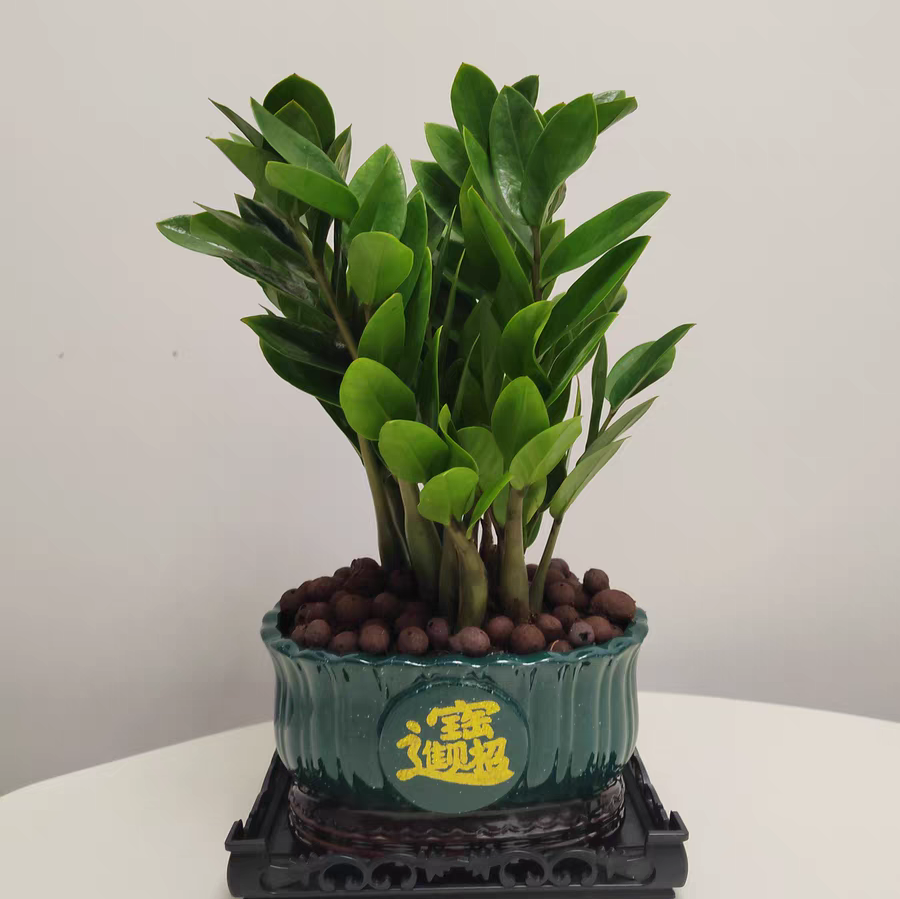
How to take good care of the Zamioculcas zamiifolia so that it can grow vigorously?
The Zamioculcas zamiifolia is an indoor green plant with high ornamental value. It has thick underground tubers. Its leaves are pinnate compound leaves, and
-
What to do when the leaves of a money tree turn yellow? Care for it this way and it will grow even more vigorously
The money tree (Zamioculcas zamiifolia) is a highly ornamental indoor green plant. It has thick underground tubers. Its leaves are pinnately compound, and the leaflets are fleshy, neatly arranged and thick, with a jade-green color. These leaflets look like strings of green copper coins hanging on the leaf stalks. From a distance, the money tree looks like a series of exquisite green umbrellas, adding a few
-

How do you care for a Phalaenopsis orchid so it grows vigorously and bursts into a full display of blooms?
I believe the "Phalaenopsis orchid" is the dream flower of many gardening enthusiasts, winning hearts with its elegant form and brilliant colors. Yet as you care for it, have you ever wondered whether the Phalaenopsis orchid you brought home could bloom with giant flowers as big as the mouth of a mug? Everyone who grows Phalaenopsis orchids is captivated by the unique shape of their flowers, such as
-
What are the benefits and effects of Acorus calamus? Only with the right care and management will it grow vigorously
Acorus calamus is a perennial herbaceous plant in the genus Acorus of the family Araceae. It has an elegant form, with lush green foliage, dignified and beautiful. There are many species of Acorus calamus, with common ones including Acorus tatarinowii and Acorus calamus. Acorus calamus mostly grows in wetlands, streamside and other environments, preferring a cool and humid climate. The flowering period of Acorus calamus is generally from June to September. The flowers
-
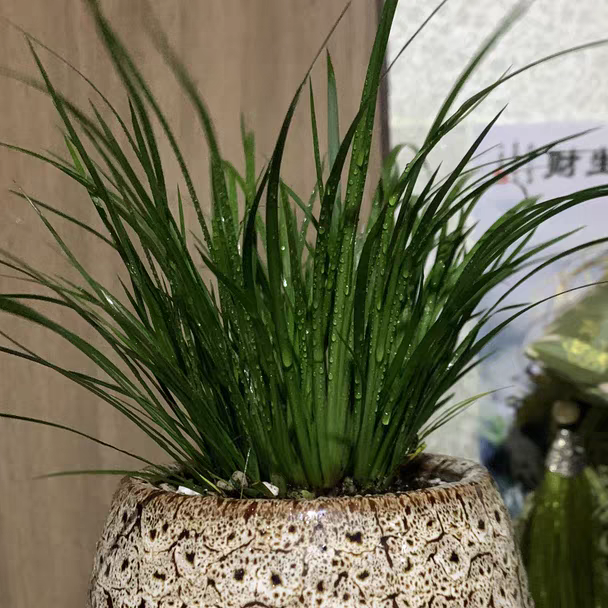
How can calamus be maintained and managed to be more vigorous?
Calamus is a perennial herbaceous plant of the genus Acorus in the Araceae family. It has a beautiful shape, with lush green leaves and an elegant and graceful
条件筛选