-

Why Is Your Phalaenopsis Orchid Poor at Absorbing Nutrients? A Look at the Causes
Many flower lovers complain: "Why does my Phalaenopsis always look droopy, and it doesn't grow even when I fertilize?" Nine times out of ten, this is a nutrient absorption problem! Just why does a perfectly healthy Phalaenopsis end up poor at absorbing nutrients? Understanding the reasons behind it is the only way to treat the right cause. The most common reason - potting medium. Phalaenopsis is different from other flowers
-
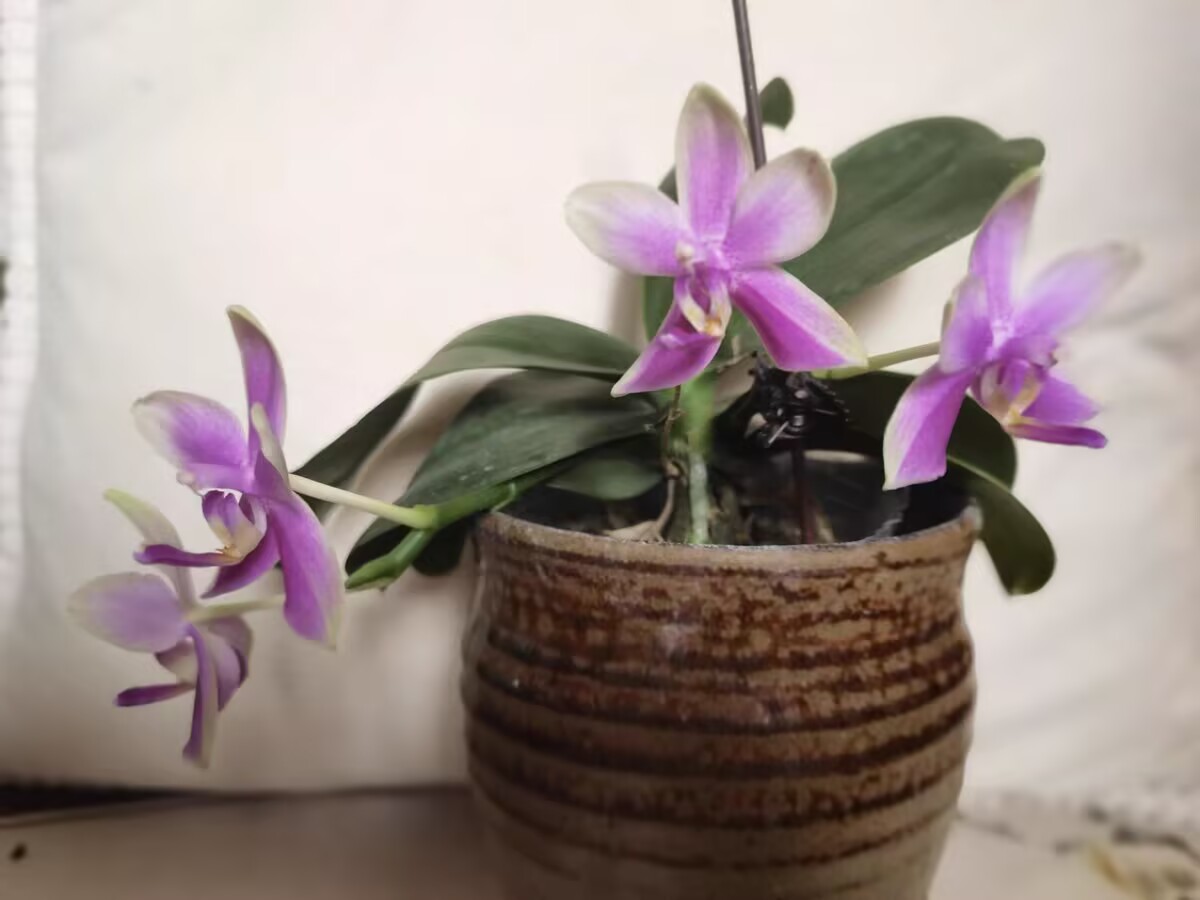
What Causes Phalaenopsis Petals to Flip Backward?
Many flower enthusiasts encounter the problem of phalaenopsis petals flipping backward suddenly during maintenance. In fact, this phenomenon is mostly caused
-

Causes of Water-Soaked Rot on Phalaenopsis Leaves and How to Fix It
During the care of Phalaenopsis (moth orchid), water-soaked rot on the leaves is a common sudden occurrence in home cultivation, and this phenomenon tends to peak in summer and autumn. When translucent water-soaked patches appear at the base or middle of a leaf and rapidly spread into brown rotting areas within 24-48 hours, systematic treatment measures must be taken immediately.
-

Causes of Foul Odor from Phalaenopsis Leaves and How to Deal With Them
As a widely popular ornamental flower, the Phalaenopsis (moth orchid) is often a delight to the eye with its elegant bearing and brilliant colors. However, during care, we sometimes find that its leaves give off an unpleasant foul odor, which not only affects the viewing experience but may also signal a health problem in the plant. So, wh
-

Is carbendazim for flowers and plants harmful to humans? A detailed explanation of its effects and uses
For experienced gardeners, the proper use of fungicides is the most ordinary thing. But for novice flower lovers, they are often prone to gullibly trusting online tutorials, and carelessly get the frequency of use wrong, causing the opposite effect. So, regarding the most common methods of using carbendazim, what issues need attention
-

Causes of and Solutions for Hollow and Rotten Roots in Phalaenopsis After Changing Sphagnum Moss
With its unique aerial root structure and dependence on sphagnum moss as a substrate, the Phalaenopsis has become a plant that many gardening enthusiasts both love and "fear." When we change the sphagnum moss for a Phalaenopsis, we may find that hollow roots and rotten roots appear. This not only affects the plant's growth but, in severe cases, can lead to the death of the entire plant. Hollow roots in Phalaenopsis after changing sphagnum moss
-
Causes and Treatment Methods for Succulent Plants Turning to Water
In the process of caring for succulent plants, turning to water is a relatively common and troublesome problem. If not dealt with in time, it can very easily lead to the death of the plant. 1. Symptoms of Succulents Turning to Water When a succulent turns to water, the most typical feature is that the leaves take on a semi-transparent appearance, with a texture like jelly; the leaves fall off extremely easily when touched, and the wound is accompanied by a moist, sticky feeling.
-

Why Are the Leaf Tips of Phalaenopsis (Moth Orchid) Drying Up? A Look at Physiological Causes
Many people have kept a Phalaenopsis, or moth orchid, at home. When it comes to care, some grow theirs into a dazzling display of blooms, while others watch their plants develop all sorts of leaf problems over time, such as yellowing and drying up. Could these be normal physiological phenomena? Generally speaking, when moth orchid leaves turn yellow or dry up, the cause lies in the growing environment or
-

Causes of and Solutions for Hollow Roots in Phalaenopsis (Moth Orchids)
The worst thing when growing Phalaenopsis is discovering hollow roots! A perfectly healthy orchid, and when you pull it open to take a look, the roots are all hollow - what a heartbreak. In fact, hollow roots are always the result of care details that were not done properly. Below is a summary of several common causes. 1. Watering - watering is absolutely the "number one killer" behind hollow roots in Phalaenopsis! Water too frequently, and the medium stays constantly soggy,
-
Causes and Solutions for Stem Rot in Phalaenopsis Orchids
Phalaenopsis stem rot is a common and fatal disease, mostly caused by overwatering and poor ventilation. If not rescued in time, the plant often withers within 1-2 weeks. Below is an effective rescue procedure for Phalaenopsis stem rot. 1. Treatment. 1. Excision: Using a sterilized knife, cut upward from the base of the diseased stem until the cut surface shows white, healthy tissue. If
条件筛选