-
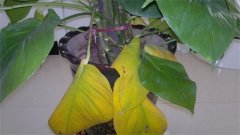
Why Are Pothos Leaves Turning Yellow? Causes and Treatment Methods
Pothos is also very common in homes and offices. It is a very easy plant to grow, yet even so, many people manage to kill it, and the most common problem is yellowing. Many analyses online say it is due to low temperatures, or too much or too little watering, but in fact these kind of beginner
-

Causes of Phalaenopsis soft rot and treatment methods for leaf rot
Today let's talk about the most common "leaf rot" in Phalaenopsis in summer, which some people also call "soft rot" or "water rot". This disease is mainly caused by excessively high humidity, insufficient light, and excessively high summer temperatures. Typical leaf rot mostly occurs on the leaves; if it occurs on the neck, it is called stem rot, and they are all caused by the same factors.
-

Emergency Treatment and Aftercare Methods for Root Rot in Phalaenopsis Orchids
In the process of growing Phalaenopsis orchids, root rot is a problem that often troubles people. So, once root rot appears in a Phalaenopsis orchid, does it need to be treated immediately? And how should it be managed after the root rot has been dealt with? Root rot in Phalaenopsis orchids is undoubtedly a serious problem. Root rot not only affects the plant's growth, but may also lead to the death of the entire plant.
-

Can a Phalaenopsis Still Bloom When Root Rot Strikes While It Is Growing a Flower Spike? Plus the Best Treatment Methods
As a beautiful flowering plant, the Phalaenopsis (moth orchid) is much loved for its vivid flower colors and long blooming period. Its fleshy roots are quite sensitive to ventilation and watering conditions, and once care is mismanaged, root rot easily develops. This is especially true during the critical period when the Phalaenopsis is growing a flower spike: if root rot is discovered, growers often worry: can it still
-

What to Do When Phalaenopsis Attracts Pests? Targeted Treatment and Control Methods
During cultivation, Phalaenopsis orchids sometimes attract various pests, which not only affects their appearance but may also threaten the health of the plant. So, when a Phalaenopsis attracts pests, what should we do? And what pesticides should be used for control? Treatment methods for Phalaenopsis pest problems: Improve the growing environment: When a Phalaenopsis attracts pests
-

What is the best fungicide for Phalaenopsis soft rot? Detailed treatment methods
I believe that when you visit a flower market for the first time, as soon as you walk in you will immediately feel the spectacular sea of flowers; each flower has countless varieties of its own, with diverse colors that can simply dazzle you. However, among all kinds of "beautiful" flowers, the one that the most people choose to buy is undoubtedly the "Phalaenopsis" (moth orchid), simply because each pot
-
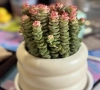
Causes and Treatment Methods for Succulent Plants Turning to Water
In the process of caring for succulent plants, turning to water is a relatively common and troublesome problem. If not dealt with in time, it can very easily lead to the death of the plant. 1. Symptoms of Succulents Turning to Water When a succulent turns to water, the most typical feature is that the leaves take on a semi-transparent appearance, with a texture like jelly; the leaves fall off extremely easily when touched, and the wound is accompanied by a moist, sticky feeling.
-
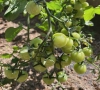
Causes, treatment methods, and medication for tomato black stem disease
Is encountering black stems when growing tomatoes a total headache? Don't panic! Today I'll walk you through finding the cause and treating it accordingly! 1. Black stem at the base of the stem: first check the roots and vascular bundle. Stem base rot: Rhizoctonia solani is the main culprit! It occurs most often in the early stages after transplanting, with brown sunken lesions growing around the base of the stem, and later pale brown spiderweb-like mold,
-
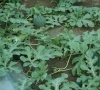
Causes of Yellowing Leaves in Watermelon Seedlings and Treatment Methods with Medication
When growing watermelons, do the healthy seedlings suddenly develop yellow leaves and wilt a little more each day? Don't worry, today we'll talk about the causes of yellow leaves; only by treating the right cause can you save them. 1. Herbicide damage: Did you accidentally spray herbicide on the seedlings? Or did spray drift from the neighboring field hit them? Seedlings damaged by herbicide will suddenly turn yellow, and the leaves will curl
-

Phalaenopsis leaves half-dried after sun scorching: can it still survive? Treatment methods
Once summer arrives, many flower lovers have made the same mistake: they leave their Phalaenopsis forgotten under the sun for half a day, then come back to find half the leaves dried and curled, feeling hard and stiff, as if scorched. At this point you must be really panicking: can this plant still survive? Don't worry, don't throw it away yet; with proper treatment it can most likely be saved. Actually
条件筛选