-
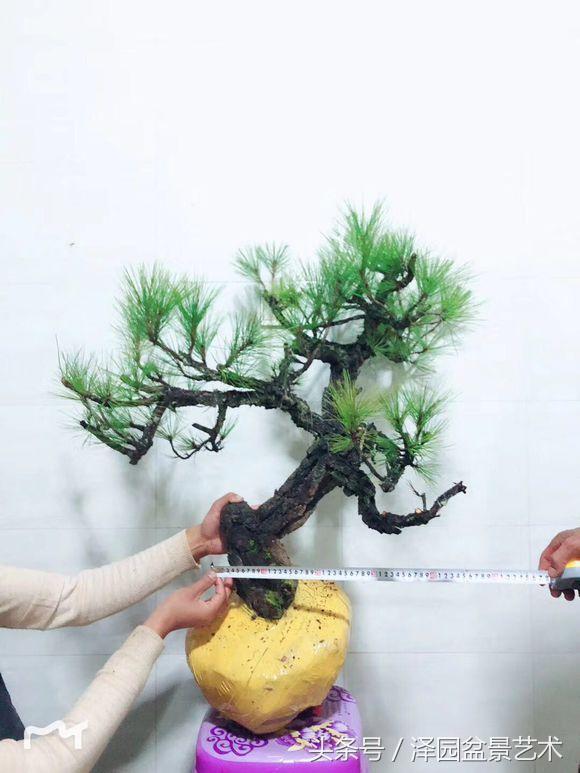
What causes bark splitting in mountain pines? How should it be handled?
Did you like this article? Share it right away so more people can find out! This site is rich and substantial in content, broad and profound, and our editors select the hottest news every day and update it at any time. Click "Be the first to receive the latest news" to browse! Please continue...
-

What are the control techniques for garlic bulb splitting?
1. Do a good job of drainage in the late stage of bulb expansion. Drain promptly after rainfall, do not apply heavy watering unless there is drought, and avoid excessive soil moisture. 2. Harvest in time. 18 to 20 days after harvesting the garlic scapes is the suitable period for harvesting garlic bulbs. When harvested early, the garlic skin is not only thin and white, but also less prone to splitting; when harvested late, if rainy weather occurs, the bulbs are prone to splitting. The standard for timely harvesting is when most of the plant leaves have dried up, the upper leaves have faded and then dried at the tips and drooped, the plant is in a soft state, and when pushed over to one side from the base, it shows a non-brittle and flexible texture as a sign of maturity, and it should be harvested promptly.
-
How to prevent garlic bulbs from splitting apart? Do these management measures well
In the late stage of bulb enlargement, if there is too much rain and the soil humidity is too high, it will affect the formation of the garlic skin. If the harvest is too late, even if the garlic skin has formed, it will rot due to soaking, the garlic skin will loosen, the base of the leaf sheath will rot, and the garlic cloves and the shortened stem will separate and fall off due to rot, causing the bulbs to split apart. Garlic can also split apart during storage due to excessive humidity. The main measures to prevent splitting apart are introduced as follows. 1. Reduce soil humidity. In the late stage of bulb enlargement, drainage work should be done well. Drain promptly after rainfall, and do not water heavily unless there is drought, to avoid
-
How to Prevent and Control Calyx Splitting in Carnations
In the cut-flower cultivation of carnations (also known as Dianthus caryophyllus or musk pink), a physiological disorder often occurs: calyx splitting. The physiological cause of calyx splitting is that the petals grow and quickly outpace the calyx, bursting it open, especially in large-flowered varieties with 60 or more petals. In addition, during the flowering stage, if continuous low temperatures occur, because the number of petals or flowers increases and the day-night temperature difference is large, calyx splitting occurs more often. Therefore, low temperatures, excessive watering or excessive fertilizer, especially excessive phosphorus, very easily cause calyx splitting. Methods to prevent calyx splitting:
-

What causes sweet potato skin splitting? Detailed explanation of causes and control methods
Causes of sweet potato skin splitting and control methods
-

What causes carrot root splitting, and how can it be prevented?
Causes of Carrot Root Splitting and Prevention Methods
-

Analysis of the Causes of Cabbage Head Splitting and Control Measures
Causes of Cabbage Head Splitting and Control Measures
-
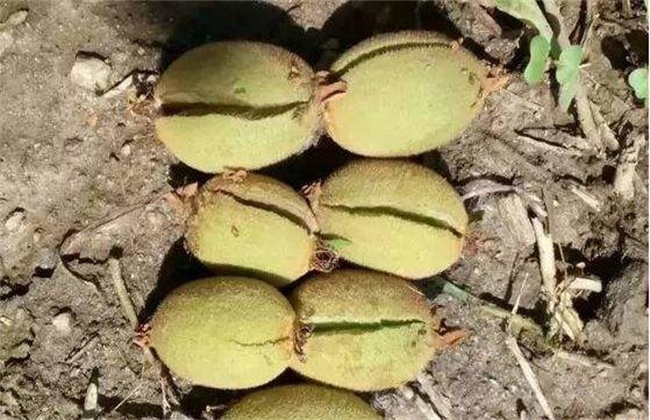
What causes kiwifruit splitting? Causes and control measures
Causes of kiwifruit splitting and control measures
-
-
条件筛选