-
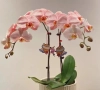
When growing Phalaenopsis (moth orchid) semi-hydroponically, water along the edge of the pot to prevent root rot; how should the watering frequency be set?
If there is a "lazy person's blessing" in Phalaenopsis care, semi-hydroponics definitely counts as one! You do not need to painstakingly remove the old potting medium, nor do you need to repot frequently, and the Phalaenopsis can still grow vigorously, making it especially suitable for beginners who dislike hassle. How exactly do you do it? It can be done in just a few steps, so let's go through it slowly. First, prepare these materials, all of which are common household items: none
-
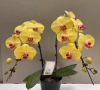
Root rot in Phalaenopsis (moth orchid) after repotting: should you trim the roots and disinfect, or repot again?
I believe many people who grow Phalaenopsis have run into the frustrating problem of root rot after repotting. You meant to give the plant a comfortable new environment, but instead the roots ran into trouble. Watching a once-vigorous Phalaenopsis gradually go limp is enough to make anyone anxious. In fact, as long as you deal with it promptly and adjust your care routine, there is a good chance the Phalaenopsis will recover.
-

Can a Phalaenopsis survive after all its roots have rotted? Let me show you how to deal with the woody root core
As quality of life improves, many people like to buy one or two good-looking plants at the flower market, and among them the Phalaenopsis is the flower most people choose. With more people buying them, more and more care problems have appeared too; yellow leaves and flowers withering early because of root rot are also common occurrences, and when you run into a similar situation
-
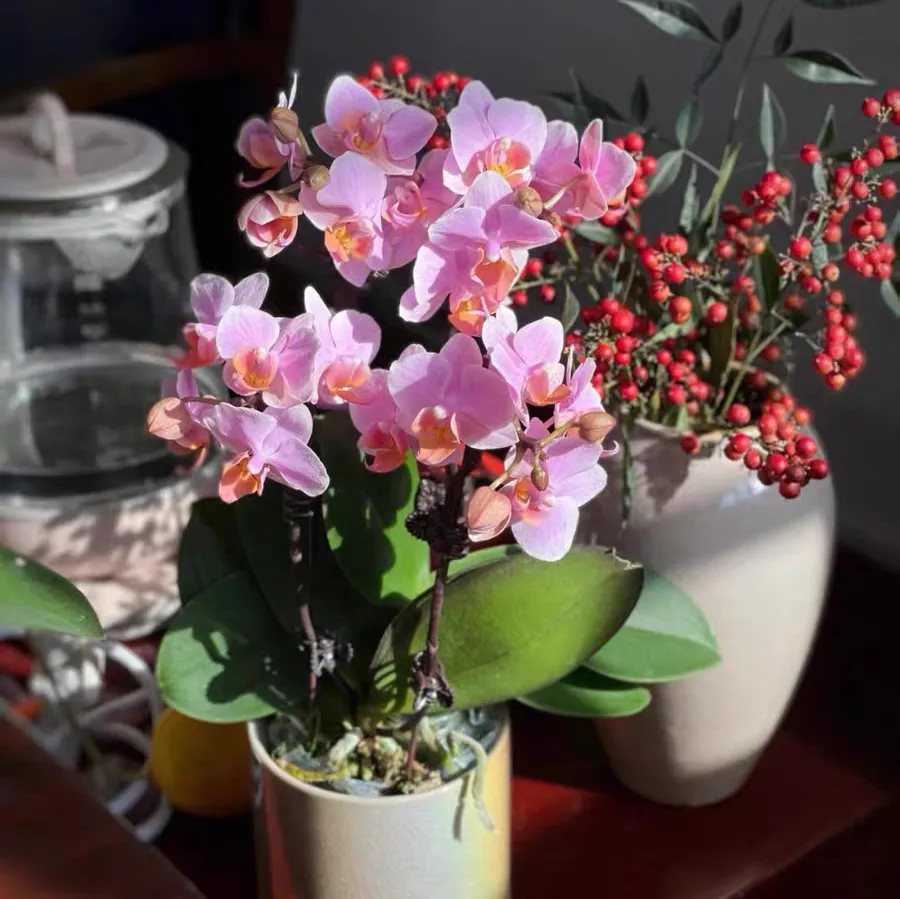
What causes root rot in hydroponic Phalaenopsis orchids?
Many flower enthusiasts want to try hydroponic cultivation of Phalaenopsis but often fail in the initial stage. In fact, the problem often lies in the step of
-
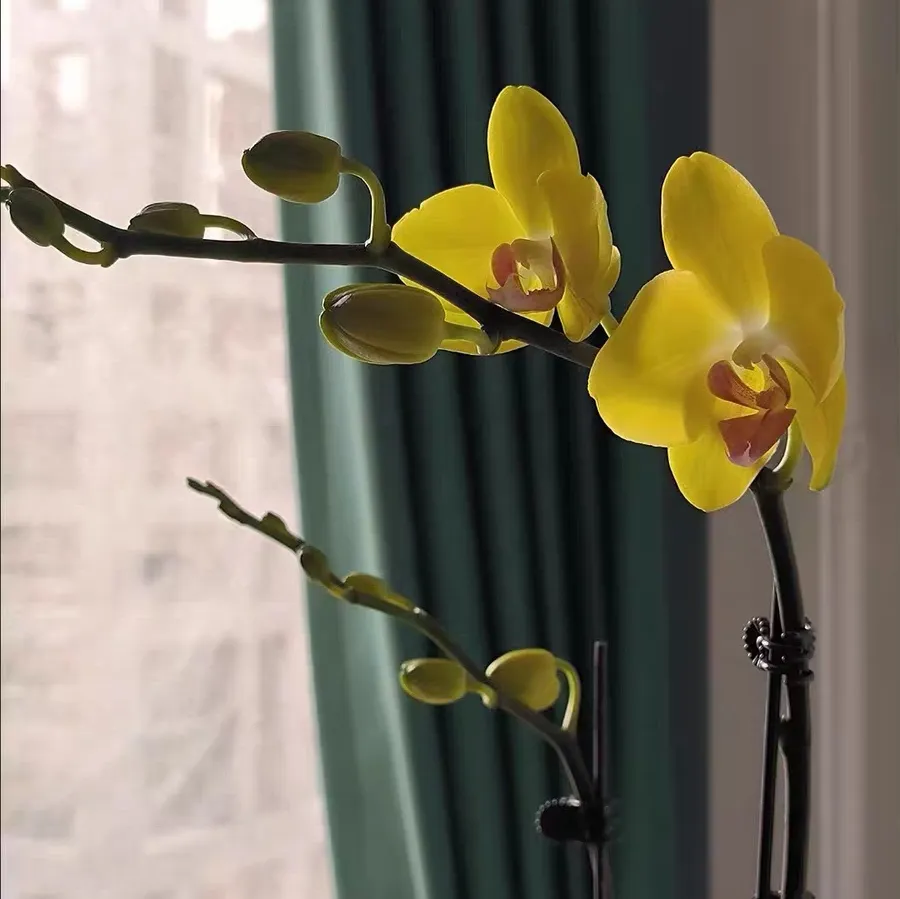
What to do if only the roots of a Phalaenopsis remain due to stem rot?
Who is still throwing away Phalaenopsis orchids with only roots left due to stem rot like garbage?! My Phalaenopsis once had roots so rotten that they turned
-

How to Tell If a Phalaenopsis Orchid Has Root Rot and How to Treat It to Save It
Speaking of Phalaenopsis orchids, they are a favorite of many plant lovers, blooming with an elegant, fairy-like beauty. But as you care for them, the dreaded problem of root rot can strike. How can you tell if a Phalaenopsis has root rot? Unlike ordinary plants, Phalaenopsis roots are plump, semi-transparent aerial roots. When healthy, they feel firm to the touch and have a greenish or silvery-white color; look closely and you will see tiny fuzz on the roots, which are great helpers for absorbing nutrients and water.
-
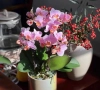
Reasons for Root Rot in Water-Cultured Phalaenopsis and How to Care for It After Washing the Roots
Many gardening enthusiasts want to try growing Phalaenopsis (moth orchid) in water but always fail at the early stage. In fact, the problem often lies in the step of "washing the roots"! The core difference between water culture and soil culture is the change in the root environment. Roots that have not been treated still carry old potting medium and pathogens, and putting them directly into water easily leads to root rot and withering. Today we will share in detail the root washing for water-cultured Phalaenopsis.
-

Can a Phalaenopsis survive if its crystal head (root tip) rots? Here's the correct way to save it
When growing Phalaenopsis orchids, nothing is more distressing than seeing the crystal head (root tip) turn black and rot, but as long as you treat it promptly and adjust your care routine, there is a high chance it can be saved! Today I've put together the detailed treatment steps and follow-up care points, so even beginners can follow along. 1. Emergency root rot treatment If the crystal head has rotted, it means the root system is already infected, so you must act decisively to stop
-

Can you leave aged orchid roots unpruned, or will they rot?
The roots of a Phalaenopsis look old, but they are not completely rotten. Is it okay not to prune them? If you do not prune them, will they rot even more? I believe many friends who grow Phalaenopsis have experienced this "old root anxiety": looking at wrinkled old roots, they always feel they are a "hidden danger", but they are also afraid that pruning wrong will cost more than it is worth. The healthy roots of a Phalaenopsis are plump and white with crystal tips.
-
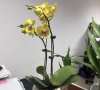
Reasons for Phalaenopsis root rot in summer and how to save it
In summer, with high temperatures and high humidity, Phalaenopsis orchids can easily develop root rot if you are not careful - the roots turn black and mushy, and the leaves turn yellow and soft, which is really distressing to see. In fact, as long as you act promptly, a Phalaenopsis with root rot can absolutely be saved! Today I will share the emergency rescue steps and follow-up care tips with everyone, so even beginners can handle it easily ~ 3 steps to rescue root rot
条件筛选