-

When repotting a Phalaenopsis, should the nutrient cup be removed or buried together with it in the new pot?
When buying or cultivating Phalaenopsis, the nutrient cup is a common growing container. When repotting a Phalaenopsis, should the nutrient cup be removed? Can the nutrient cup be buried in the new pot together with the plant? Handling the nutrient cup correctly is crucial to the Phalaenopsis's subsequent growth, and this involves the rules of plant root growth and care
-
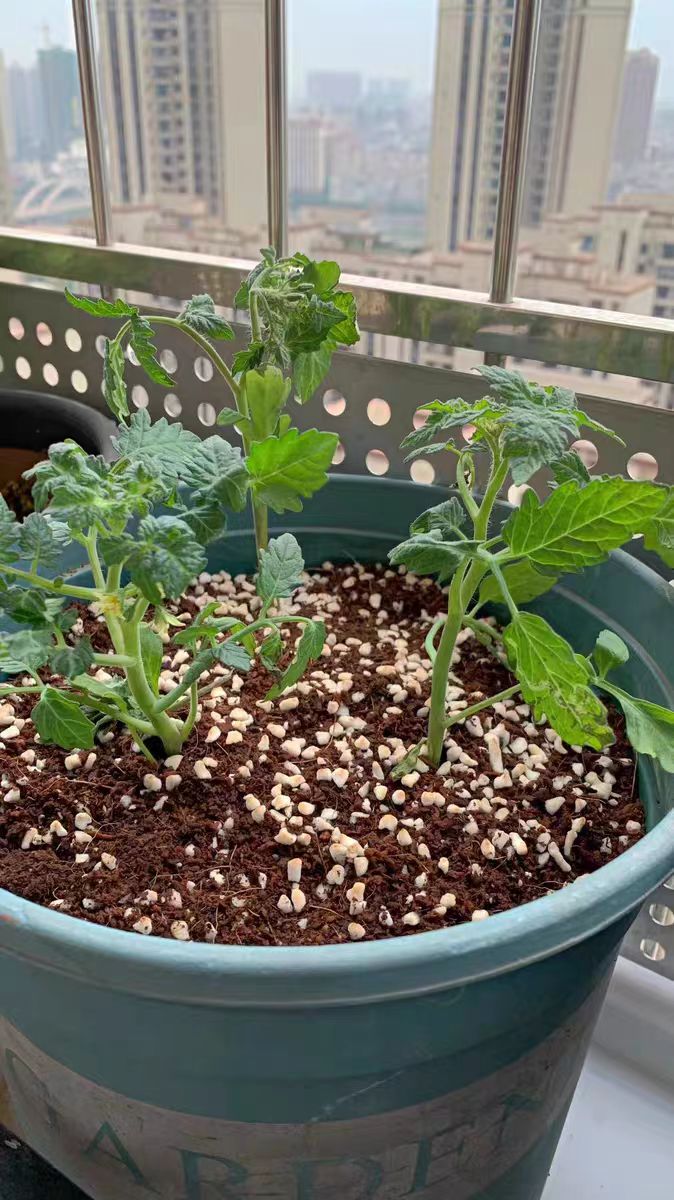
Do cherry tomatoes need to have their side branches removed?
When novice growers start planting cherry tomatoes, they all have a question: "Do cherry tomatoes need their side branches removed? Why do my tomato seedlings
-

What Green Plants to Grow to Remove Formaldehyde in a New Home? 5 Indoor Plants Worth Growing
Moving into a new home is a joyful thing. But at the same time, we also need to pay attention to the health and comfort of the indoor environment. When decorating a new home, choosing the right flowers and plants not only beautifies the space, but also brings many benefits, such as attracting good fortune, boosting luck, and even helping to remove harmful substances like indoor formaldehyde. Today,
-

3 Flowers That Absorb Moisture, Remove Odors, and Purify the Air
In urban life, home is the harbor where we relax and enjoy peace and quiet. However, modern home environments often suffer from problems such as moisture, odors, and air pollution, which not only affect our living environment but may also pose a potential threat to our health. Fortunately, many flowers and plants in nature can help
-
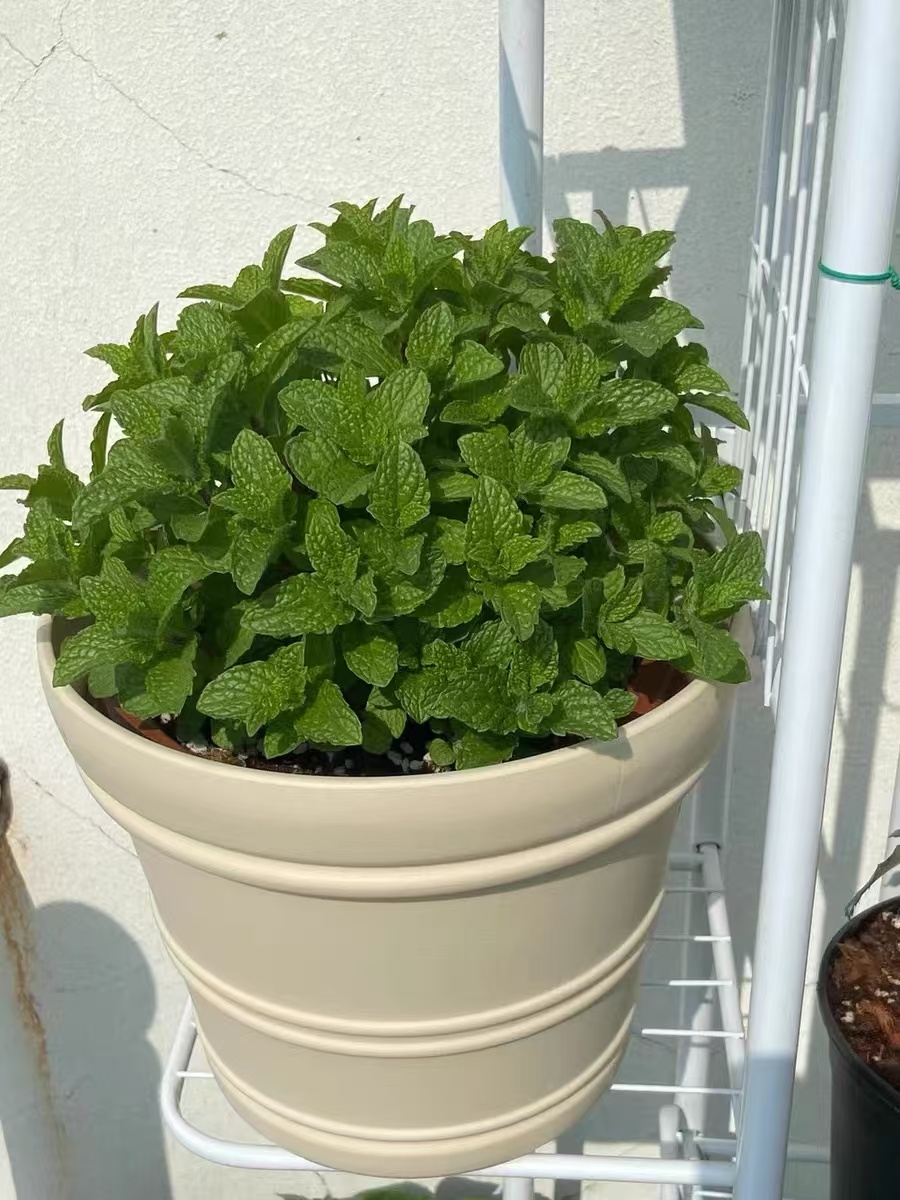
What are the plants that can absorb moisture and remove odors?
In urban life, home is the harbor where we relax ourselves and enjoy tranquility. However, problems such as moisture, peculiar smells and air pollution often
-

Should the terminal buds of Phalaenopsis and the wilted flowers at the top be removed?
As is well known, Phalaenopsis is the undisputed star among New Year flowers. However, as more and more flower lovers choose it, they also face a frequently occurring problem: should you top a Phalaenopsis or not? The following article will, around flower-growing knowledge, discuss in depth the pros and cons of topping Phalaenopsis. Generally speaking, a Phalaenopsis in the middle of its flowering season will inevitably produce a few flower spikes with especially long genes. If flower lovers are also facing this kind of trouble, it is recommended that you top it. The benefit of doing so is that it can promote the growth of new flower buds and better stimulate the flower bud growth points of the Phalaenopsis. Therefore, after topping treatment, the flowering period and flower quantity are also invisibly increased. Another benefit is that it can improve flower quality, because at the pruned position, the flower spike will once again redistribute to the remaining new flower spikes, thus also invisibly improving the quality of each flower and making the whole plant more beautiful.
-

Should the excess roots of Phalaenopsis be removed? You cannot fill the roots with too much soil
Phalaenopsis (moth orchid) counts as a popular flower in recent years, so many flower lovers wonder: during the process of growing flowers, if you run into a situation where the roots are growing unhealthily, how should you handle it? Should you prune them or just let them develop on their own? The following article will start from the aspect of Phalaenopsis care and discuss the issue of root pruning in Phalaenopsis. In fact, in
-

Should the stamens be removed after potted lilies bloom? I'll teach you the correct removal method.
As is well known, lilies are beloved by many flower lovers for their elegant and pure flower form. Once the petals open, they also release a rich fragrance, which is why they are also known as the "queen of flowers." In addition, the name lily also represents a harmonious union lasting a hundred years, and it is often used in weddings or important celebrations to symbolize beautiful wishes. However, in the stamens of lilies
-

What are some good Sansevieria (snake plant) varieties that can remove formaldehyde and purify the air?
Many retired workers like to grow some flowers and plants on their balconies or rooftop courtyards, and the one seen most often in yards and on windowsills is none other than the "snake plant" (Sansevieria). The reason is its tenacious vitality, easy care and tendency to quickly fill a pot; the second reason is that snake plants come in diverse varieties. Let's take a look below. Snake plant
-

What plants should be placed indoors to remove formaldehyde and odors after renovating a new house?
A newly renovated house often comes with various odors and harmful substances, posing a potential threat to human health. To improve indoor air quality, in addition to increasing ventilation, growing some plants with absorption capabilities is also a good choice. Next, we recommend three common indoor plants that can effectively
条件筛选