-

How many years until Gisela 6 rootstock bears fruit?
Gisela is native to Germany and was introduced in the 1990s by Director Wang Jiaxi of the Shandong Institute of Pomology. This is a hybrid cherry dwarfing rootstock, known as the Gisela series, including Gisela 5, Gisela 6, Gisela 7, and Gisela 12. So, how many years until Gisela 6 bears fruit? 1. Gisela
-
Can Fresh Chestnuts Be Eaten Raw? Pay Attention to These Before Eating Them Raw
Chestnuts are native to our country and are one of the famous nuts eaten earliest in China, with annual output ranking first in the world. The cultivation history of chestnuts in our country is very long. As early as in the "Book of Songs," records of chestnuts appear in many places, such as in the "Book of Songs, Zheng Feng," where there is "chestnuts at the east gate, in the Jian family home"
-
How many years does it take for a perfume lemon to bear fruit?
The perfume lemon is native to Southeast Asia, and in China it is mainly cultivated in Xiamen and Guangdong. This variety has one characteristic: it is generally used as a seasoning rather than eaten fresh. So do you know how many years it takes for a perfume lemon to bear fruit? 1. How many years does it take for a perfume lemon to bear fruit
-
What are the fertilization timing and application rates for napa cabbage?
Napa cabbage is a vegetable native to China and has a long history of cultivation. Below we introduce the fertilization timing and application rates for napa cabbage. During the seedling stage, napa cabbage has its lowest fertilizer requirement, but sufficient nutrients are still needed to ensure the
-
Chinese Medicinal Herb "Dragon Bone": Alternative Names and Potted Cultivation Key Points Explained
Dragon Bone is a succulent plant in the genus Euphorbia of the family Euphorbiaceae. Because its shape somewhat resembles a spine, it is called by this name. Besides its unique appearance, which makes it suitable for potted ornamental growing, its flowers and stems also have certain medicinal value. The flowers can treat cough and coughing up blood,
-
Where are tomatoes native to, and why do they only flower without bearing fruit when grown?
Tomato is a very healthy vegetable, with bright red skin that looks quite appetizing. Tomatoes taste sweet and sour, and have a certain flavor whether eaten raw or cooked. Tomatoes are cultivated in various places; let's take a look below at tomatoes
-
What are the alternative names and symbolic meanings of clover?
Clover is a cultural symbol represented by a plant, mainly including certain species in the genus Trifolium of the legume family (considered the most authentic clover), the genus Medicago, and the genus Oxalis of the wood sorrel family. Clover originated in European countries, and is now planted all over the world. It has fairly strong adaptability to the environment and is suitable for planting in park lawns, green spaces, and so on. Let's take a look below at
-
Primulaceae Lysimachia: Alternative Names and Differences from Pennywort
Lysimachia is a common Chinese medicinal herb, mainly found in shady environments in southern and southwestern China, with diuretic, stone-dissolving, blood-activating, and stasis-dispersing effects. The Lysimachia plant is relatively short, with opposite ovate to nearly round leaves, somewhat similar in appearance to pennywort.
-
A Detailed Guide to the Alternative Names of Kidney Beans and Planting Precautions
The kidney bean is a common legume vegetable; its tender pods or seeds can be used as a vegetable, and can also be processed into cans or eaten directly pickled, frozen, or dried. The kidney bean originated in Mexico and Argentina in the Americas, and is now cultivated in many countries. It has relatively strong adaptability to the environment and prefers short-day conditions.
-
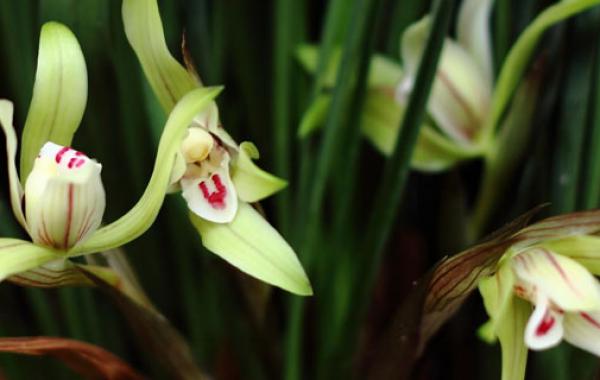
What is the difference between tissue-cultured orchid seedlings and native seedlings?
What is the difference between tissue-cultured orchid seedlings and native seedlings?
条件筛选