-

Is it normal for Phalaenopsis roots to turn black? How to judge healthy root color
Some friends who grow Phalaenopsis orchids panic the moment they see roots that aren't the white they imagined, especially when black appears: "Is it root rot? Is this plant beyond saving?" In fact, Phalaenopsis roots come in many colors, and not all black roots are a problem. First figure out "what a normal root should look like", then judge whether blackening is normal.
-

Causes of Black Spots and Brown Patches on Phalaenopsis Roots and Related Diseases
After a Phalaenopsis (moth orchid) blooms, it is truly "unforgettable," so placing it casually anywhere in a home or shop instantly elevates the space. However, no matter how beautiful the flower, caring for it is never smooth sailing, and root rot is the most common problem! Once it starts developing yellow leaves, buds that refuse to open,
-
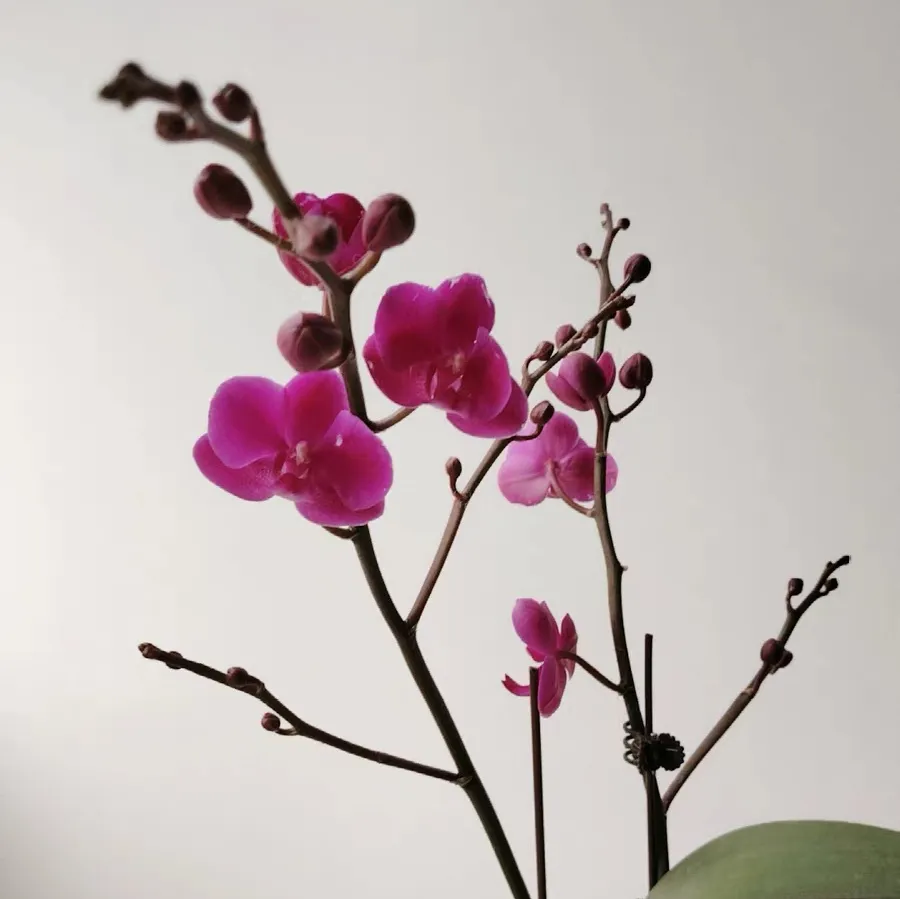
What Are the Symptoms of Phalaenopsis (Moth Orchid) Lacking Light and How to Address It?
# Office Workers' Favorite Phalaenopsis: How to Fix Light Deficiency and Revive It In modern times, office workers love growing green plants at their desks to
-
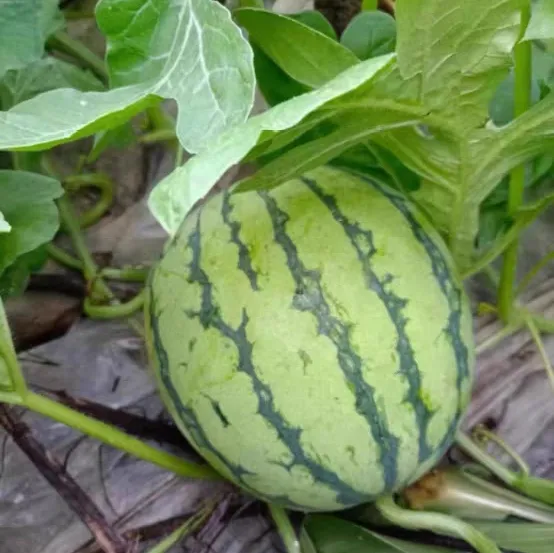
What disease causes black spots on watermelon leaves?
When growing watermelons, have you ever been distressed to find that many black spots suddenly appear on the lush green leaves—some with yellow halos, some
-

Can a Phalaenopsis orchid still grow back after its root tips turn black? Handle it this way
A perfectly healthy Phalaenopsis root tip, and for no apparent reason it turns black. These are the orchid's "lifeline," responsible for absorbing water and nutrients. Can it still grow back after turning black? How should you handle it? Can it still grow once the root tip turns black? Actually, there is no need to panic too much. As long as the Phalaenopsis root system has not completely rotted and the pseudobulb is still firm, there is hope. The root
-
What disease causes black spots on watermelon leaves?
When growing watermelons, do the bright green leaves suddenly sprout lots of black spots, some with yellow halos, and some that keep spreading, making you feel really worried? Actually, black spots on watermelon leaves are mostly caused by diseases. Today I will walk you through, step by step, how to tell apart 3 common diseases and how to treat them. Anthracnose Anthracnose is the most common disease in watermelon cultivation.
-

Why the Bottom of Cherry Tomatoes Turns Black and How to Prevent It
Have you fellow cherry tomato growers noticed that the fruit you finally managed to set suddenly turns black and soft at the bottom, or even rots into a hole? This is no accident; nine times out of ten it is "blossom end rot" at work - a disease that specifically targets the blossom end of the fruit and is especially common during the fruiting stage. Don't panic. Today we will cover the causes, the solutions and the prevention techniques.
-
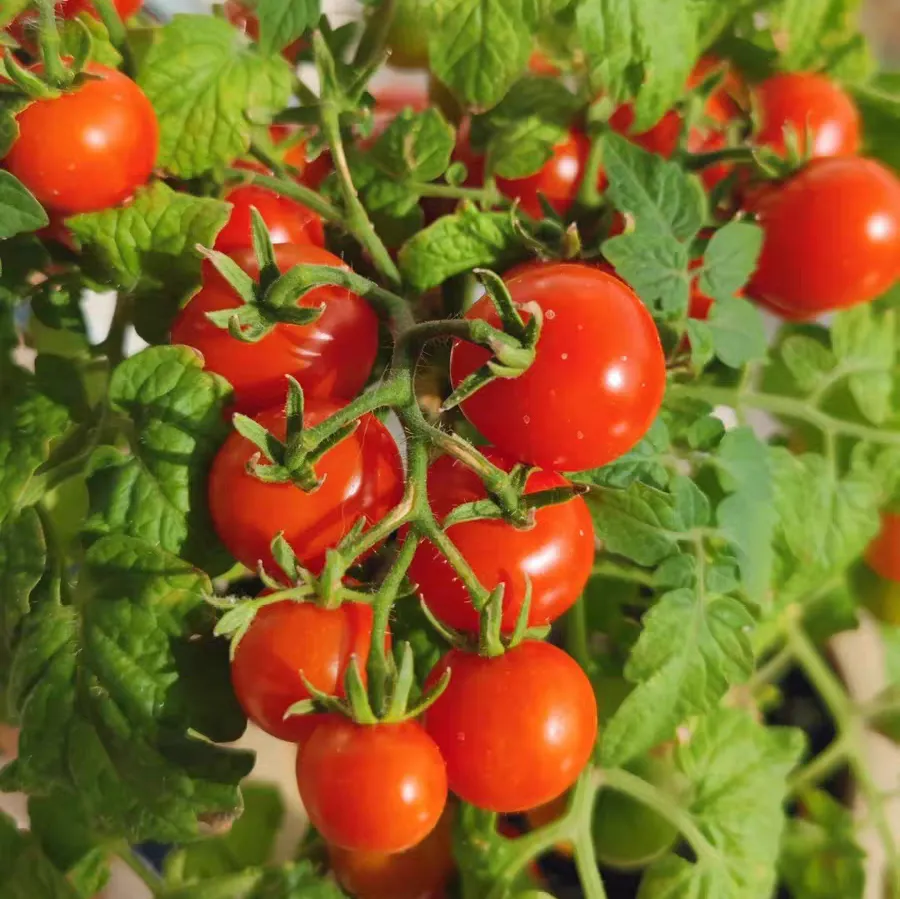
What causes the bottom of cherry tomatoes to turn black?
Have you ever noticed, fellow cherry tomato growers, that the fruits you've worked so hard to grow suddenly turn black and soft at the bottom, or even rot into
-

Causes of Black-Brown Spots on Phalaenopsis Leaves and How to Treat Them
Nothing worries a plant lover more than suddenly discovering black-brown spots on their Phalaenopsis leaves! What exactly is going on? And once you find black spots, how do you fix it? What could these black-brown spots be? The most common cause is disease, such as soft rot and anthracnose. Soft rot is caused by bacteria; the spots feel soft
-
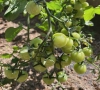
Causes, treatment methods, and medication for tomato black stem disease
Is encountering black stems when growing tomatoes a total headache? Don't panic! Today I'll walk you through finding the cause and treating it accordingly! 1. Black stem at the base of the stem: first check the roots and vascular bundle. Stem base rot: Rhizoctonia solani is the main culprit! It occurs most often in the early stages after transplanting, with brown sunken lesions growing around the base of the stem, and later pale brown spiderweb-like mold,
条件筛选