-

Which plants are poisonous to the touch and which flowers are harmful to human health?
It is well known that growing plants can purify the air and at the same time is ornamental, which is good for the family's health. But did you know that some flowers are not suitable for keeping at home, because their flowers are poisonous and in serious cases may even bring a cancer risk? The candelabra cactus (Euphorbia neriifolia) belongs to the genus Euphorbia in the family Euphorbiaceae and is a mutated variety
-

Is water hyacinth extremely harmful and also toxic, and how do you grow it so it flowers
Water hyacinth, also known as the water hyacinth, is a floating aquatic herbaceous plant. Its rhizome is extremely developed, brown-black in color, its stem is very short, and its stolons are pale green. The leaves are round, dark green on the surface, with leaf stalks of varying lengths. The flowers of water hyacinth are light purple, many-angled and trumpet-shaped, with the upper petals larger. Why is it said that water hyacinth has extremely
-
Which Plants Are Harmful to Cats and Should Not Be Kept with Them
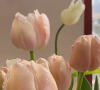
Cats are really curious, always sniffing here and there, so everyone needs to be especially careful. Some plants are truly dangerous for them! Take lilies (Lilium), for example - they really are a cat's "number one enemy." If a cat comes into contact with their pollen, petals, branches or leaves, it may be poisoned, showing symptoms like vomiting and loss of appetite.
-

Which flowers are harmful to the fetus? Pregnant women should avoid contact with harmful plants
As an expectant mother, everything during pregnancy requires extra care, especially potential hazards in the home environment. Today, let's talk about those flowers and plants that are harmful to the fetus, and how to avoid contact with them in daily life to ensure the health of mother and baby. A rundown of harmful flowers and plants Poinsettia: Poinsettia is popular for its bright red
-

Is it normal for orchid sphagnum moss to grow mold and green fuzz, and is it harmful to humans?
As a beautiful indoor ornamental plant, the Phalaenopsis orchid often develops moldy or green fuzzy sphagnum moss during its care. These problems not only affect the plant's ornamental value but may also raise concerns about human health. Causes and effects of moldy sphagnum moss in Phalaenopsis orchids: Causes of mold: The sphagnum moss of Phalaenopsis orchids
-
Are Phalaenopsis orchids harmful to cats? Can you keep Phalaenopsis orchids at home if you have a cat?
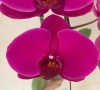
Cat owners who live with their feline friends and Phalaenopsis orchids, pay attention! As for whether Phalaenopsis orchids are harmful to cats, today let's talk about it. First, a little background: within the broader category of plant toxicity, Phalaenopsis orchids are actually harmful to cats. Although they do not have that kind of immediate, severe toxicity, once a cat accidentally eats them, it will still
-

Is carbendazim for flowers and plants harmful to humans? A detailed explanation of its effects and uses
For experienced gardeners, the proper use of fungicides is the most ordinary thing. But for novice flower lovers, they are often prone to gullibly trusting online tutorials, and carelessly get the frequency of use wrong, causing the opposite effect. So, regarding the most common methods of using carbendazim, what issues need attention
-

Is the Phalaenopsis orchid harmful to the human body or to pregnant women?
In the world of flowers, the Phalaenopsis orchid is deeply loved by people and has become a popular choice for indoor decoration and for giving to relatives and friends. However, some people also harbor doubts, worrying that this beautiful flower may harm human health, especially for the special group of pregnant women. So, is the Phalaenopsis orchid actually harmful to the human body? And what effect does it have on pregnant women?
-

What are Phalaenopsis aerial roots, and is it harmful if they grow too many?
Those plump, white roots with a silvery-gray tinge that poke out of the pot on a Phalaenopsis, some even able to wind all the way around the pot, are the orchid's aerial roots. Even though they look messy, these exposed roots are actually the Phalaenopsis's secret weapon. Unlike the roots of ordinary plants that are buried in soil, Pha
-

Is Rain Harmful to Phalaenopsis Orchids? A Detailed Guide to Post-Rain Care
Seeing your beloved Phalaenopsis orchid on the windowsill suddenly soaked through by rain, its stems and leaves trembling and dripping wet, so delicate and lovely - surely this cold rain hasn't damaged them? Actually, for Phalaenopsis orchids, fresh light rain and drizzle are actually beneficial - rainwater contains natural trace elements and is gentler than tap water,
条件筛选