-

Introducing Large-Fruited Hazelnuts: Li Wenwei Brings a New Direction for Poverty Alleviation to Huangling Village
Li Wenwei Introduces Large-Fruited Hazelnuts, Giving Huangling Village a Direction for Poverty Alleviation
-
Current Status, Existing Problems and Future Development Directions of Sericulture in Guizhou
1 Current Status of Development As a traditional export industry of China, the cocoon and silk industry, since entering the "10th Five-Year Plan" period, has adhered to a market-oriented approach, taken development as its theme, and relied on reform, opening up and scientific and technological progress as its driving forces. By comprehensively applying the state's reform and development policies, strengthening macro-control, and intensifying structural adjustment, it has effectively overcome the phenomenon of "drastic fluctuations," enabling the entire industry to emerge from the trough and basically maintain sustained and steady development. The quality of economic operation has improved markedly, with production capacity, efficiency and export earnings surpassing the best historical years. "Chinese silk
-
Detailed Explanation of Key Techniques for Directional Cultivation of Amur Maple Seedlings
Amur maple (Acer ginnala) is a deciduous large shrub or small tree of the genus Acer in the family Aceraceae. Its leaves and fruits are ornamental, and the leaf shape is beautiful. In autumn the leaf color turns brilliant red, particularly eye-catching; in summer the newly formed samaras are pink, very delicate and distinctive. It is an excellent ornamental greening tree species in northern regions, suitable for specimen planting, row planting, group planting, or pruning into hedges and topiary trees. In Heilongjiang Province it is mainly produced in the Xiaoxing'anling Mountains and the mountainous areas to the south; it is distributed in the northeastern, northern and northwestern provinces and regions of China; in addition, it is also distributed in Japan, Korea, eastern Siberia of Russia and Mongolia. 1 Planting
-
Producing Rhododendrons for Landscaping: Topiary Is the Direction, Don't Use Wild-Collected Rootstock
Regarding the phenomenon of some nursery growers using wild rhododendrons as rootstock to cultivate topiary rhododendrons for landscaping projects, Li Yong, secretary-general of the Rhododendron Branch of the China Flower Association, recently stated: topiary is currently an effective way to increase the added value of landscaping rhododendrons, but the practice of using wild-collected rootstock for grafting is not advocated. It is understood that although there are not many nurseries in China mainly growing rhododendrons for landscaping projects, many places in the south have already achieved year-round supply. Therefore, in the absence of disasters, the domestic supply of landscaping rhododendrons is currently basically saturated
-

-
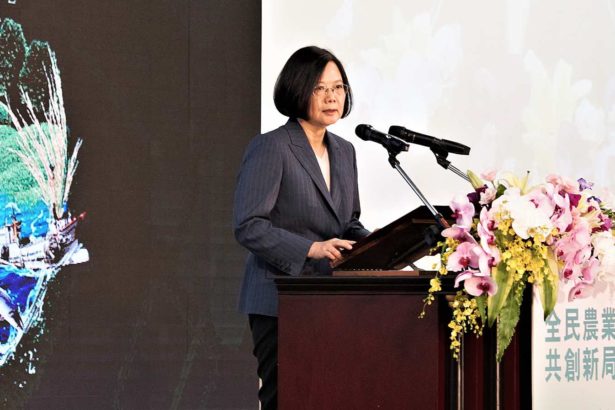
The Future Direction of Agriculture"73 Conclusions from the National Agricultural Conference: Planning Farmers' Retirement Annuities, Expanding Green Payments, Professional Smart Farming, Dedicated Rural Development
The Future Direction of Agriculture"73 Conclusions from the National Agricultural Conference: Planning Farmers' Retirement Annuities, Expanding Green Payments, Professional Smart Farming, Dedicated Rural Development
-

Analysis of the Future Development Directions of Hedgehog Farming
Development Directions for Hedgehog Farming
-

-

-

条件筛选