-

Are Spiraea and Snow Willow the Same Plant? A Detailed Explanation of the Differences Between the Two
Spiraea and Snow Willow are two plants with their own distinctive characteristics. On closer observation, the two show clear differences in many respects. Next, let's look at the following aspects to help everyone easily tell them apart. In terms of plant classification, Snow Willow belongs to the genus Fontanesia in the family Oleaceae, and plants of this family and genus often share the unique characteristics of Oleaceae plants.
-
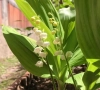
Are Lily of the Valley and Campanula the Same Plant? What Are the Differences Between Them?
Lily of the Valley and Campanula (bellflower), though similar in name, differ significantly in botanical characteristics, growing environment, and cultural symbolism. From the perspective of botanical classification and morphological features, Lily of the Valley, belonging to the genus Convallaria in the family Liliaceae, is a perennial herbaceous plant known for its small and delicate stature. The plant height is typically 10 to 3
-

Which is easier to grow, the lotus or the purple magnolia? A detailed explanation of the differences between the two
The world is vast and full of wonders; people can look alike, and so can flowers and plants. Among them, even veteran gardeners find it hard to tell apart two plants: the lotus and the purple magnolia. So how can you quickly distinguish these two plants in the flower market? Let's take a closer look below. Although the lotus and the purple magnolia do not belong to the same family
-

Comparison of Red Prince Weigela and Variegated Weigela on Heat Tolerance and Their Differences
We often see Red Prince Weigela and Variegated Weigela along roadsides or beside parks. Both flowers belong to the Caprifoliaceae family and originate from the United States. Perhaps because of this related lineage, the leaves and flowers of the two plants look very similar, which leads many gardening enthusiasts to misunderstand them, thinking
-

What are the differences between camellia and sasanqua? A detailed explanation of their growing environment differences
People can look alike, and plants in nature are even more so, especially plants of the same genus, which are the easiest to confuse. Among them, sasanqua and camellia are always mistaken for the same plant, since their names are similar and their leaves look similar too, making them easy to mix up. So how do you quickly tell them apart in daily life?
-

Is the Pink Champion Phalaenopsis easy to grow? Introducing its differences from the Pink Baotu Phalaenopsis
As a new variety in the large red flower series, the Pink Champion Phalaenopsis has relatively stable growth habits and strong stress resistance. It is suitable for growing in an environment with good ventilation, moderate temperature, and high humidity, and this kind of environment is relatively easy to achieve for most homes or greenhouses. In addition, the Pink Champion Phalaenopsis also has
-

Are Creeping Iris Root and Iris the Same Plant, and What Are the Differences Between Them?
In autumn, many friends like to take the whole family to visit the botanical garden, yet when they see Creeping Iris Root and Iris they always get confused and cannot tell them apart. Let's take a look below at their differences. Although Creeping Iris Root and Iris look similar, clear differences can still be found between them. First, their varieties are different. Creeping Iris Root
-

Is the Blue Star Phalaenopsis a summer-flowering orchid? Differences from fennel
The Blue Star Phalaenopsis, as a type of Phalaenopsis, indeed belongs to the summer-flowering varieties. Summer flowers refer to flowers that bloom in summer, and these flowers blossom in the hot summer; the Blue Star Phalaenopsis has light purple flowers and a relatively long flowering period. As a tropical flower, Phalaenopsis is naturally distributed in the low-latitude tropical islands of Asia,
-
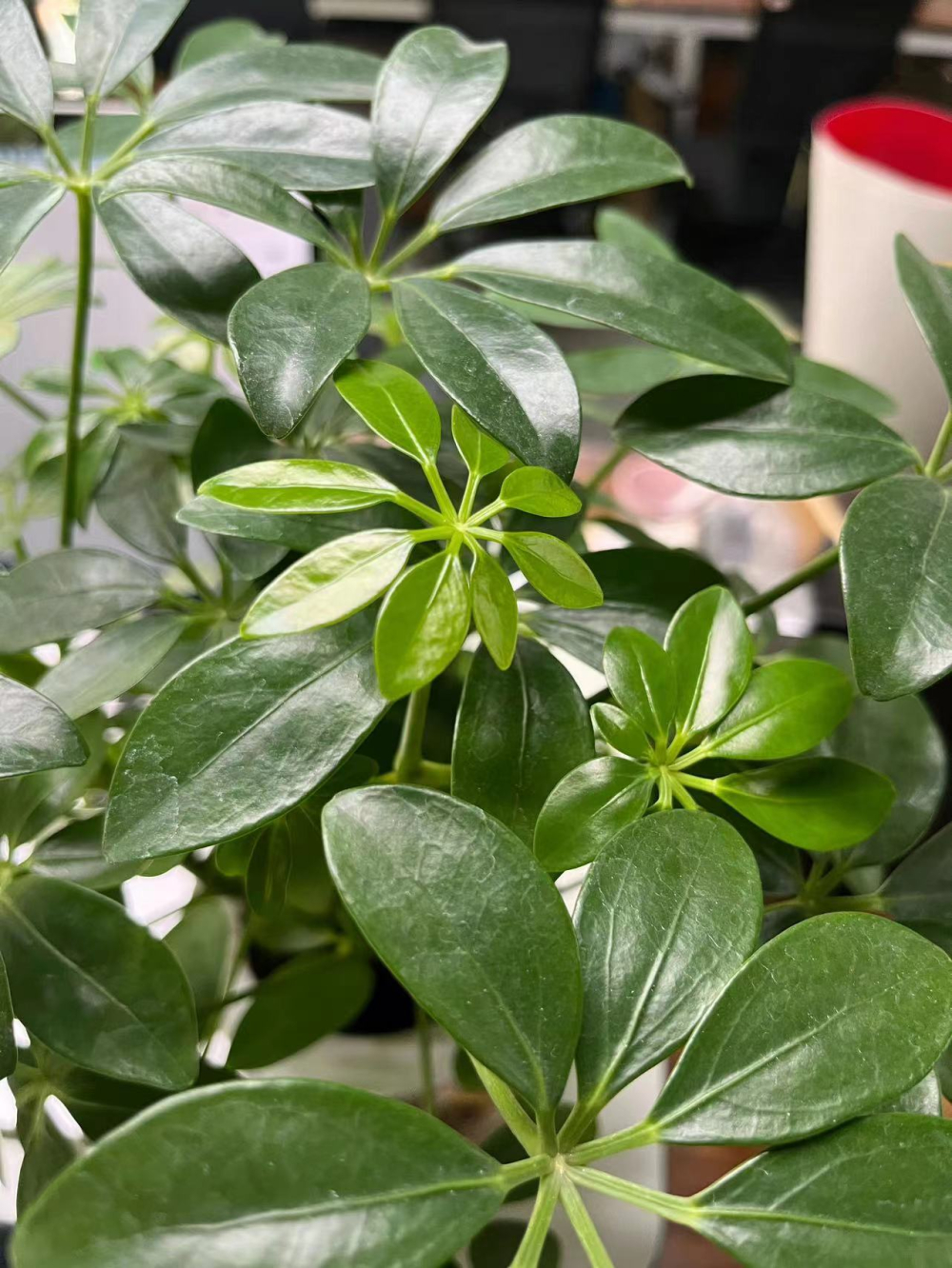
Is Schefflera arboricola the same as Schefflera octophylla? A detailed explanation of the differences in growing the two
Schefflera arboricola symbolizes toughness and vitality. Its vigorous growth shows the tenacity and unyielding nature of life. Schefflera octophylla, on the other hand, is regarded as a symbol of good fortune and peace. Schefflera arboricola and Schefflera octophylla, although they look somewhat similar, are really not exactly the same! In terms of appearance, the leaf shape of Schefflera arboricola
-

Differences Between Chinese Balloon Flower and Lisianthus and Their Propagation Methods
Whether it is the elegance of the Chinese balloon flower or the romance of the lisianthus, they both add endless color and joy to our lives. Let's talk about the Chinese balloon flower. This is truly a treasured flower of our Chinese land! Its blooms are graceful in form, like fairies dancing lightly, with petals that are airy and spreading, revealing a classical charm
条件筛选