-

How to Grow Pilea: Easy Care Methods and Tips for Beginners
How do you grow pilea? This article covers the growing habits of pilea, how to propagate it by division and cuttings, plus key points on watering and fertilizing, pruning and shaping, and pest and disease control, to help you easily grow an elegant, finely patterned indoor foliage plant.
-
How to grow Venus flytraps best? Detailed guide to care methods and precautions
The Venus flytrap is a perennial herbaceous plant native to North America, a very interesting carnivorous plant with a very short stem, and at the tip of each leaf grows a trap that closely resembles a shell, which can secrete nectar; when a small insect intrudes, it can clamp it shut at extremely fast speed and digest and absorb it
-
How to Grow and Care for Philodendron bipinnatifidum in Pots: Methods and Precautions
Philodendron bipinnatifidum, also known as Philodendron selloum, is a perennial evergreen herbaceous foliage plant in the genus Philodendron of the family Araceae. Its large, feather-like leaves are deeply and coarsely pinnatifid, dark green and glossy, with long, thick and sturdy petioles and an elegant plant shape. It is suitable for decorating hotel lobbies, indoor gardens, offices, and home living rooms, studies, and other places.
-
How to care for lucky bamboo in winter? Detailed guide to cultivation methods and precautions
Lucky bamboo (Dracaena sanderiana) is a perennial evergreen herbaceous plant of the genus Dracaena in the family Asparagaceae (formerly Agavaceae), native to the Canary Islands and the tropical regions of Africa and Asia. It prefers shady, humid and warm conditions, tolerates waterlogging, has a strong tolerance for fertilizer, is highly cold-resistant, and likes semi-shaded environments. It is often grown as a potted ornamental plant with high ornamental value, and symbolizes great fortune and prosperity
-
How to Grow a Buddhist Pine Bonsai? Detailed Care Methods and Tips
The Buddhist pine, also known as tu shan, money pine, and luohan shan, is an evergreen coniferous tree in the family Podocarpaceae, genus Podocarpus. It is native to China and widely cultivated along the Yangtze River basin and the southeastern coast. It has extremely high ornamental value, and its wood is fine and even, easy to work, has medicinal value, and can be used for furniture, utensils, stationery, and farm tools.
-
A Detailed Guide to Potted Rose (Rosa multiflora) Care Methods and Management Key Points
Most roses are world-famous ornamental plants. They prefer growing in thickets along roadsides, field edges, or hilly land, and are widely distributed across the cold-temperate to subtropical regions of Asia, Europe, North Africa, and North America. They have extremely high ornamental value and a very long cultivation history in our country, making them very suitable for bonsai cultivation.
-
How to grow potted jujube trees? Key care methods and photo appreciation
Many flower enthusiasts like growing fruit trees in pots, mostly orange trees, pomelo trees, lemons and the like; potted jujube trees are not very common, so this article collects and organizes some photos of potted jujube trees, along with daily care methods, for the reference of flower enthusiasts. Potted jujube trees generally begin flowering in June, when the plant has a relatively high demand for humidity
-
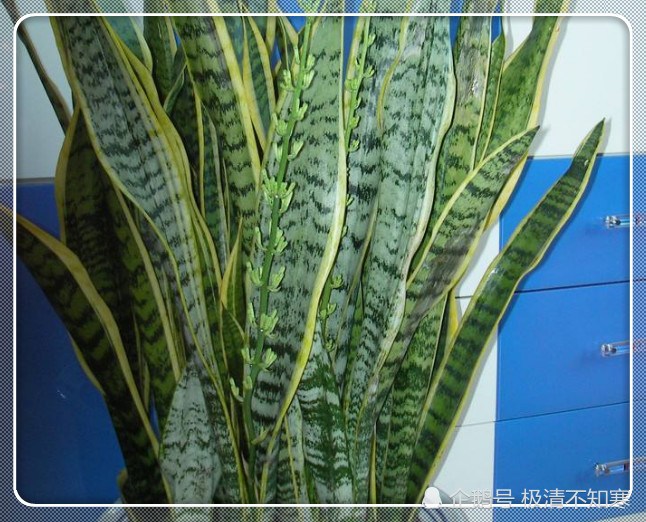
Don't Water Your Snake Plant Carelessly - Master the Right Method and It Will Grow Taller and Taller
Hello everyone, welcome to today's article. The snake plant (Sansevieria) has strong adaptability and is a common indoor potted foliage plant, suitable for decorating studies, living rooms and more. This plant is excellent at purifying the air, and it can also protect against radiation. Today...
-

How to Grow Anthurium Taller? A Detailed Guide to Care Methods
If you want your anthurium to grow taller, provide it with a growing environment of 19-25 degrees, water it appropriately to keep the potting soil moist, and place it in a spot with diffused light. Although it prefers shade, it cannot do without light entirely. During the growing period, fertilize once every 5-10 days to provide sufficient nutrients. In addition, pay attention to preventing and controlling pests and diseases.
-
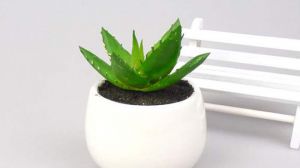
How to Grow Aloe Vera: A Detailed Guide to Daily Care Methods and Key Points
Soil: Choose a loose, well-draining sandy soil. Light: It loves sunlight very much and needs full-sun cultivation. Humidity: Excessive humidity causes black spots, which can be treated by spraying with a fungicide such as thiophanate-methyl. Fertilizer: It does not need much fertilizer; mix organic fertilizer into the soil when repotting.
条件筛选