-
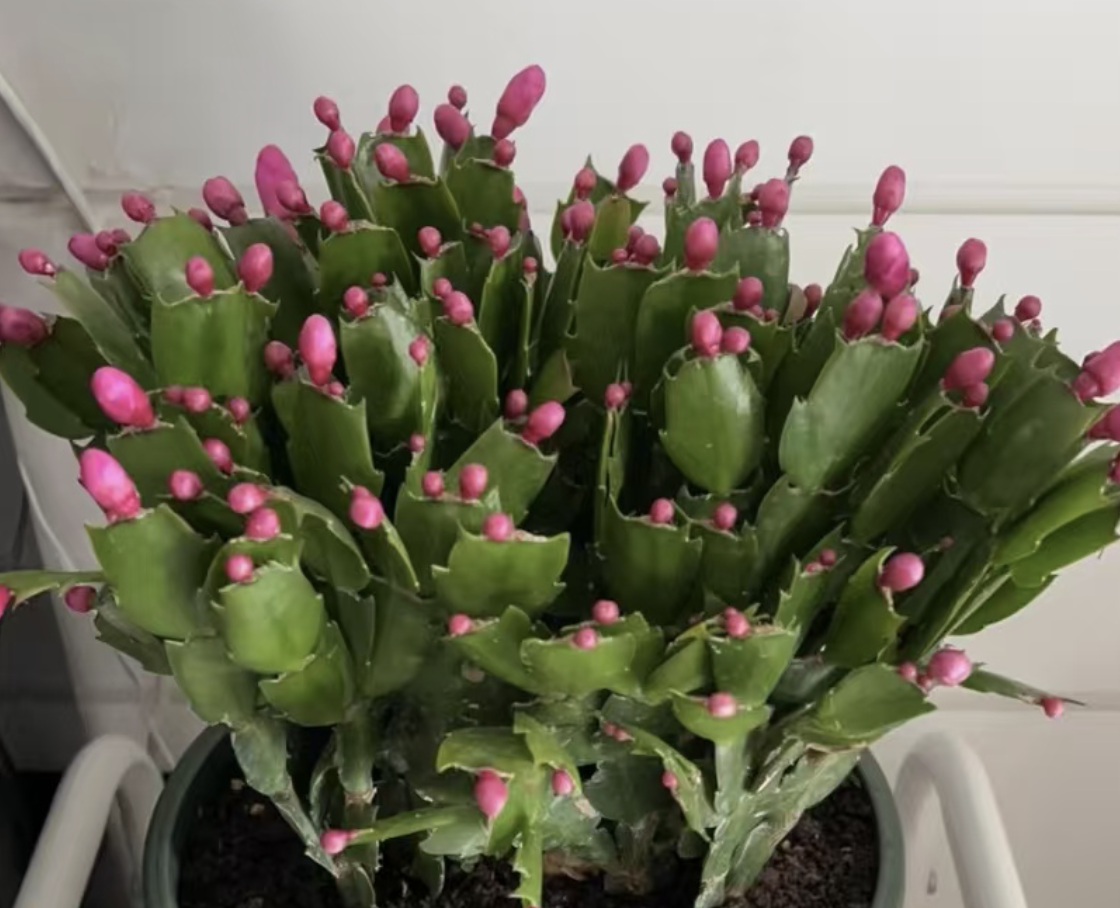
Why is it difficult to care for Christmas Cactus (Schlumbergera) in the spring?
Spring is a season of rejuvenation, and many plants grow easily during this time. However, there are some plants that do not thrive in spring. In fact, some
-

Don't panic if your Christmas cactus (Schlumbergera) has soft leaves! Identify the 5 main causes and treat them accordingly, and the leaves will soon be firm again!
When the leaves of a Christmas cactus are thick and green, it looks especially lively, but soft leaves are a common problem in care - some become wrinkled and dull, while others wilt so much they droop at the slightest touch. In fact, soft leaves are mostly caused by improper care, so find the cause and treat it accordingly, and it will soon regain its plumpness! 1. Lack of water and dry wilting: the potting soil is cracked and the leaves are shriveled
-
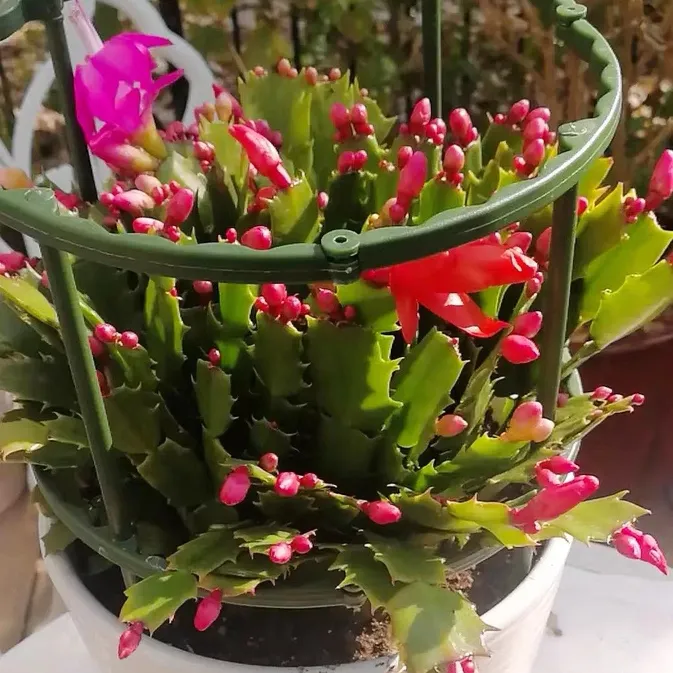
Solutions to Soft Leaves of Schlumbergera (Crab Cactus)
# English Translation Schlumbergera (Crab Cactus) looks particularly vibrant when its fleshy leaves are plump and emerald green. However, a common issue during
-

Why is Christmas cactus hard to grow in spring? You must never keep this flower at home
Spring is supposed to be the season when all things come back to life, and anything you grow then tends to grow especially easily. Yet there really are plants in the world that dislike spring, and instead go dormant by principle when spring arrives, so if a flower lover brings one home in spring, they may run into a situation where it is hard to keep alive. For the flowers mentioned below, you might as well wait until autumn to buy them.
-

Reasons Why Christmas Cactus Won't Bloom and How to Fix It
Christmas cactus (Schlumbergera truncata), a succulent shrub in the cactus family, genus Schlumbergera. The stems are pendulous, much-branched and spineless; old stems become woody, while young stems are flattened; flowers are solitary at the tips of the stems and bilaterally symmetrical; the petals are recurved and brightly colored, commonly in deep red, pink, apricot yellow, and pure white. As a common ornamental plant, the Christmas cactus's failure to
-

How to grow a hydroponic cactus ball? Can it bloom? Explained in one article
Hydroponic cactus balls convert traditional soil cultivation into a hydroponic method. Water is held in a transparent container, and the roots are partially immersed in the water to absorb nutrients. This method is clean and highly ornamental, but attention must be paid to regular water changes, keeping the water clean, and providing appropriate light to ensure the healthy growth of the cactus ball. The first step in hydroponic cactus ball growing is to choose a
-
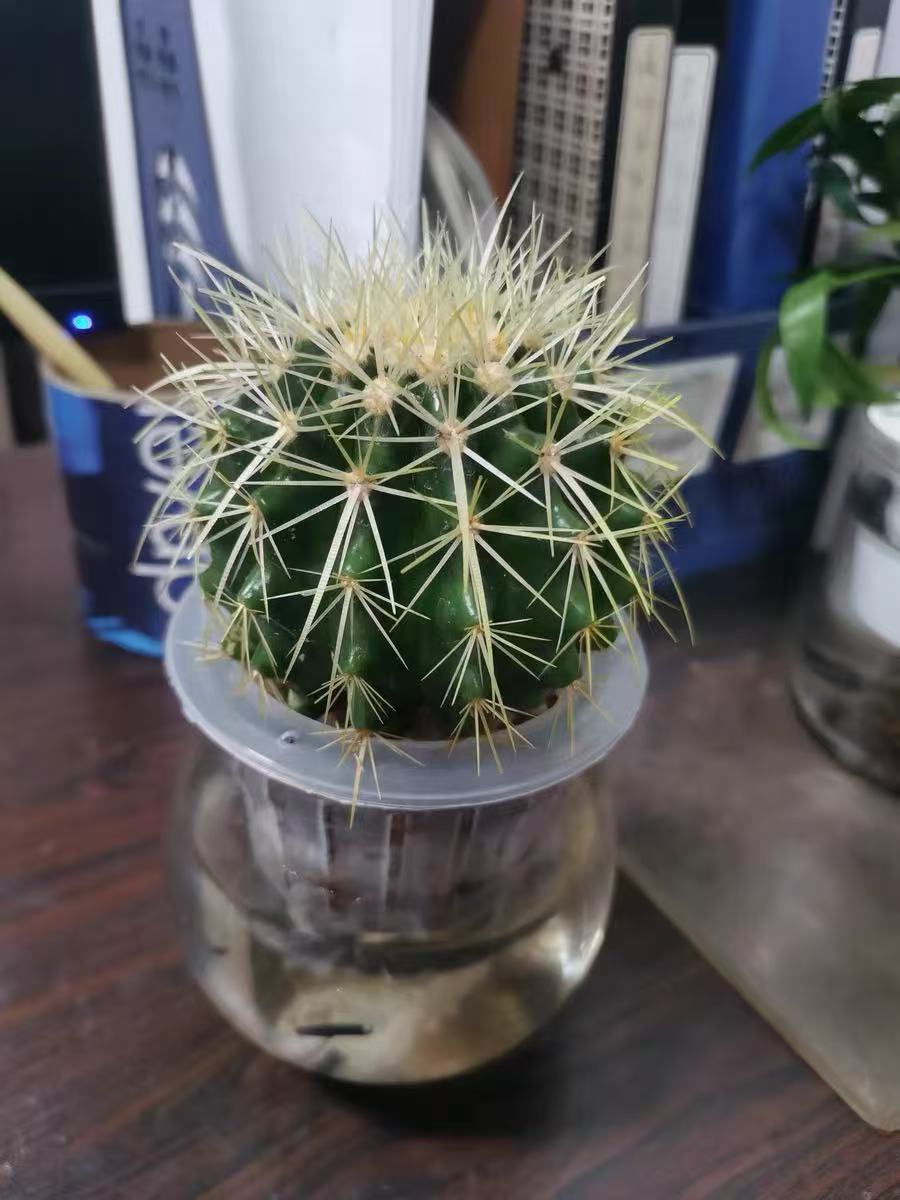
How to cultivate hydroponic cactus?
Hydroponic cactus changes the traditional soil cultivation method to hydroponics. Water is held in a transparent container and the roots are partially immersed
-

Why do hydroponic cactus balls get root rot, and can they be switched to soil culture later?
Hydroponic cactus balls are a simple and attractive way to care for indoor green plants. First, choose a healthy cactus ball, wash the soil off the roots, let it dry, and place it in a transparent container. Make sure the water level does not touch the ball itself, to avoid rot. Keep the water clean and change it once a week. Provide moderate scattered light and avoid direct sunlight that can scorch it.
-

How to Tell If a Cactus Has Rot and How to Save It
In a home filled with greenery, the cactus has become the top choice for many plant lovers thanks to its drought tolerance and ease of care. However, even such a resilient life form sometimes falls into the predicament of "rot." When faced with a cactus that appears beyond saving, do not rush to throw it away. Through a series of simple
-
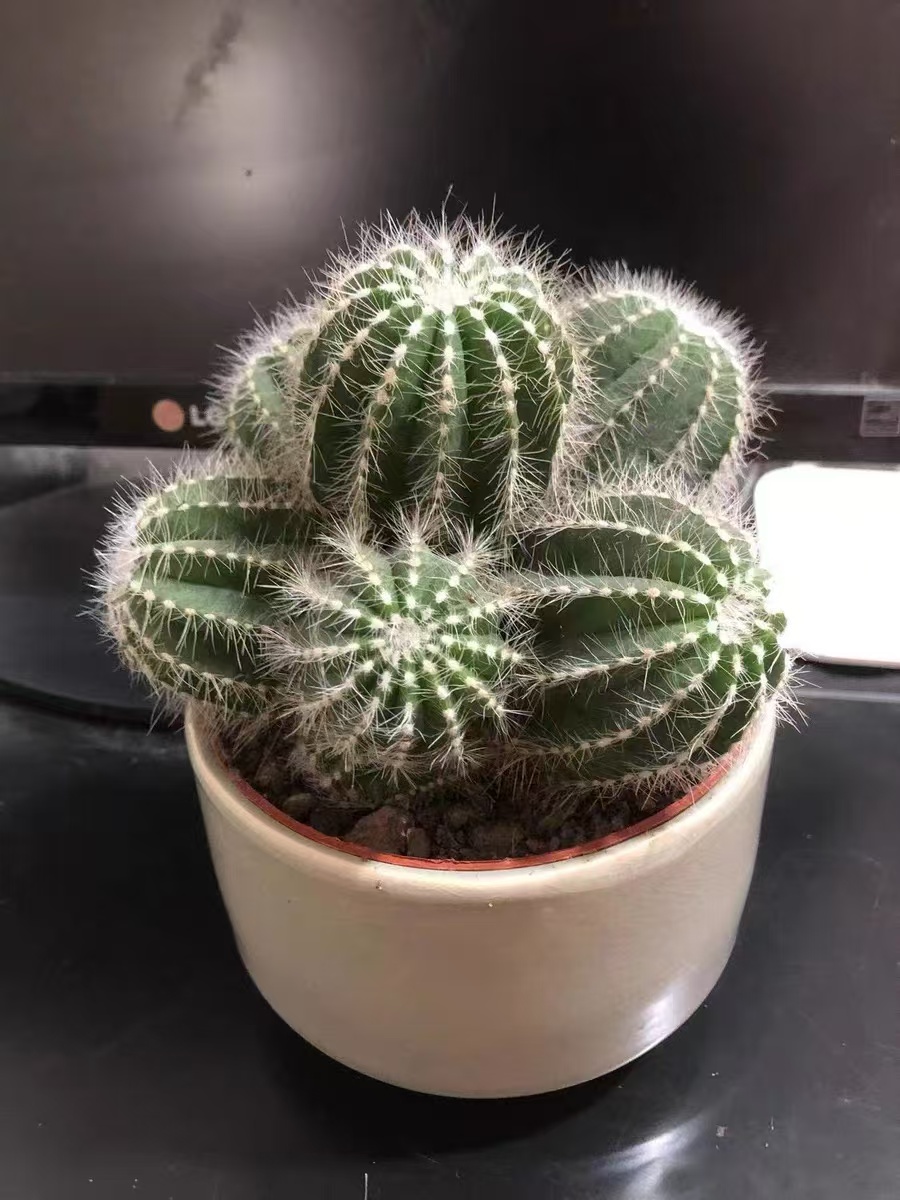
How to Tell if a Cactus Is Rotten?
In a lush green home environment, cacti, with their drought-tolerant and easy-to-care-for characteristics, have become the top choice for many plant
条件筛选