-

Water Bamboo (Zizania latifolia) Cultivation Techniques: Basic Growth Parameters and Environmental Requirements
The basic parameters of water bamboo cultivation include temperature, water level, soil and light requirements. This article introduces water bamboo variety selection, planting time and key field management points, helping farmers scientifically grow the stem vegetable aquatic crop water bamboo.
-
How to Grow Lotus Bamboo? Detailed Guide to Planting Methods and Care Tips
A detailed introduction to the planting methods and care tips for Lotus Bamboo, including how to grow Lotus Bamboo, soil mix, light and watering, propagation methods, fertilizing and pruning, pest and disease control, and other practical content.
-
How to Grow Lucky Bamboo for Strong Growth: A Detailed Guide to Planting Methods
A detailed introduction to Lucky Bamboo planting methods and care techniques, including how to grow Lucky Bamboo, soil preparation, light and watering, propagation methods, fertilizing and pruning, pest and disease control, and other practical content.
-

Is Guanyin Bamboo the Same as Lucky Bamboo? Which One Is Better for Beginners
Many friends around me ask when growing plants: "Guanyin bamboo and lucky bamboo look quite similar, are they the same thing?" Actually, they really aren't! Although both carry the word "bamboo" in their names and look a bit like lush little bamboos, a closer look reveals considerable differences, and even their ease of care is different. The most intuitive difference - their appearance.
-
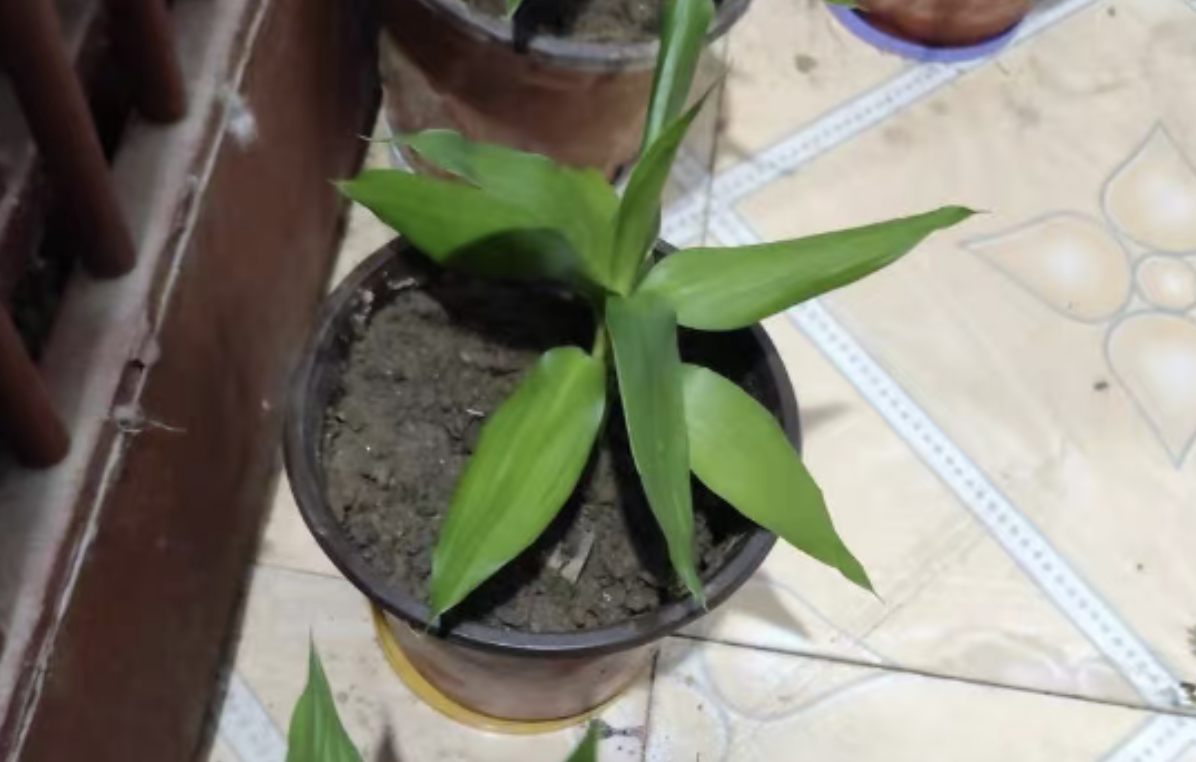
Are Guanyin bamboo and lucky bamboo the same? Which one is better for beginners to grow?
Many of my friends who like to grow plants often ask: “Guanyin bamboo and lucky bamboo look pretty similar — are they actually the same plant?” The answer is
-

Is Nandina (heavenly bamboo) toxic, and is it suitable for growing indoors?
Nandina (Nandina domestica), also known as Heavenly Bamboo or Orchid Bamboo, contains a variety of alkaloids throughout the whole plant, such as nantenine, berberine, isocorydine, protopine and others. Therefore, Nandina is somewhat toxic, and its berries are especially toxic. Eating Nandina indiscriminately may lead to poisoning symptoms such as nausea, vomiting, convulsions of the whole body, spasms and coma.
-

What are the differences between lotus bamboo and lucky bamboo and how do their symbolic meanings differ?
People can look alike, and the same goes for things, especially the wondrously crafted flowers of nature. Among them, lotus bamboo and lucky bamboo are often mistaken by many flower enthusiasts for the same plant. In fact, their growth habits, plant leaves, and growth height, as well as their symbolic meanings, are all different. Lotus bamboo and lucky bamboo, which are often mistaken for the same plant, it
-
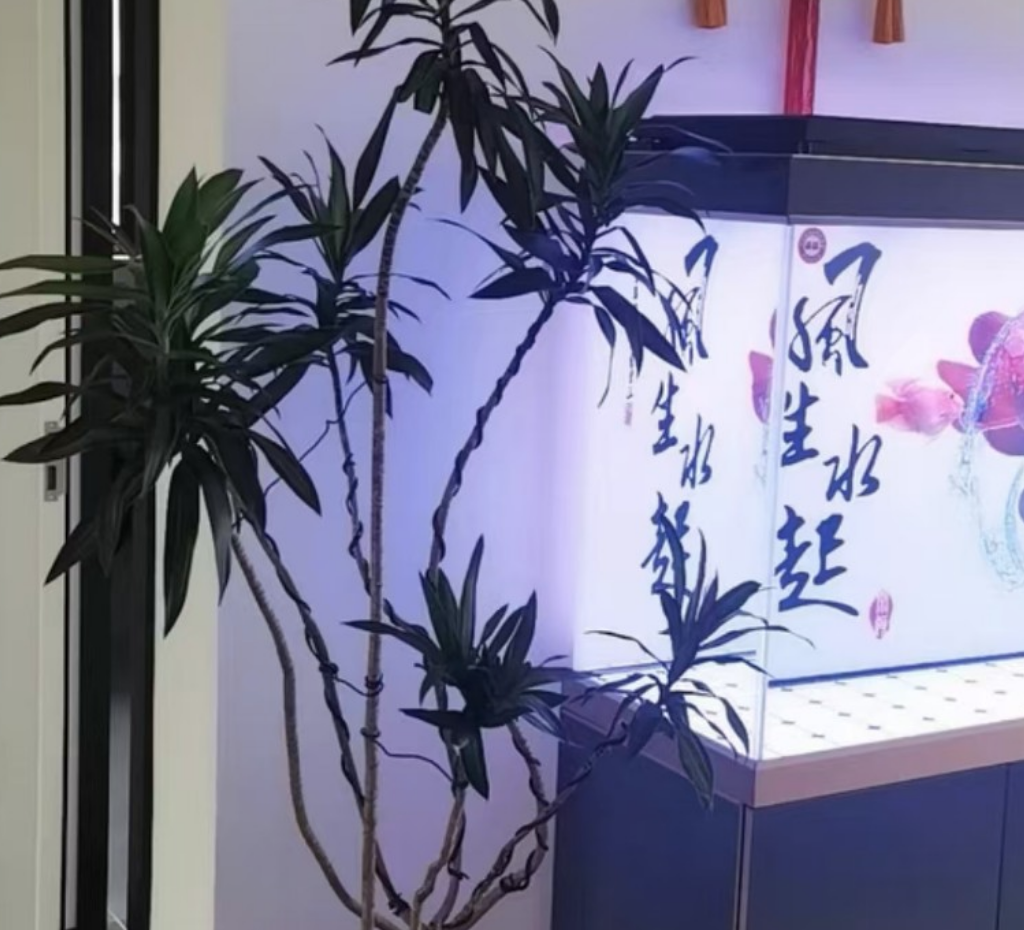
What variety of bamboo is the best for bonsai?
Bamboo has been regarded as a plant representing the noble character in ancient China. It symbolizes firmness, purity and integrity, and many literati and
-
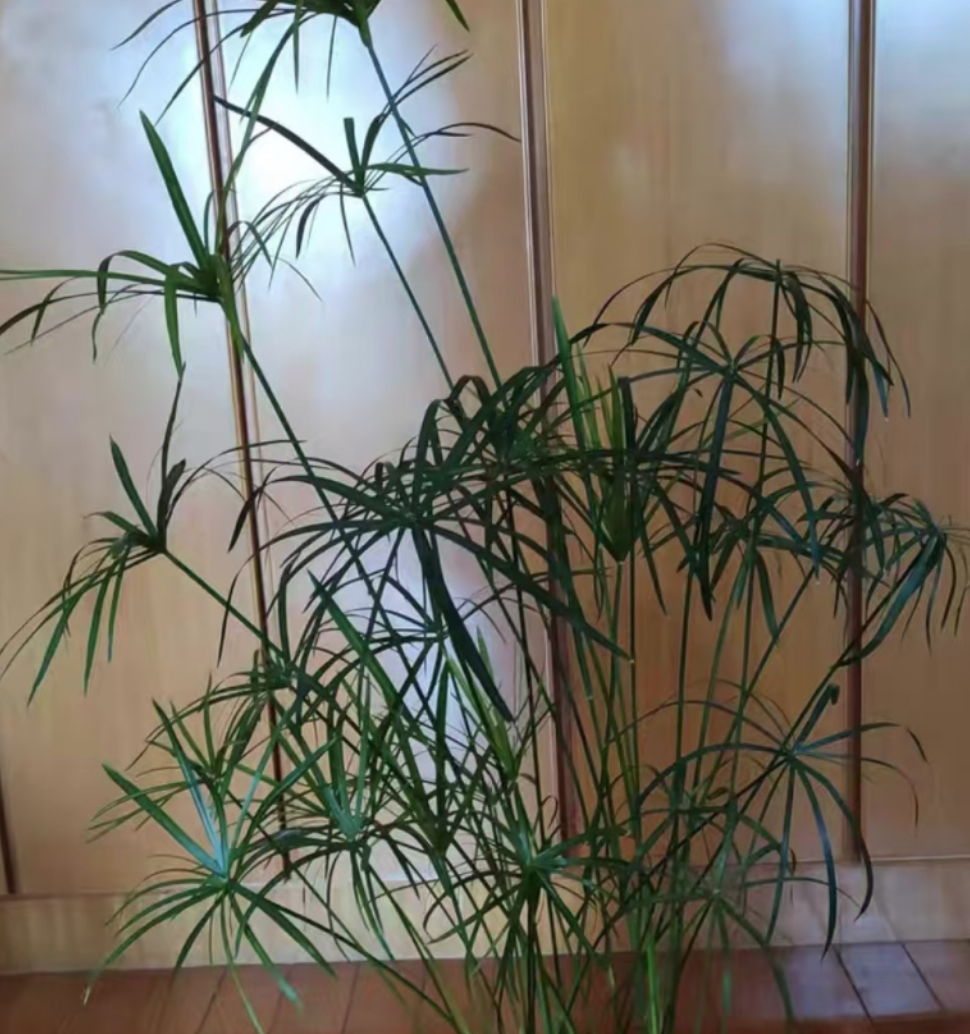
How to quickly remedy the yellowing leaves of Buddha - Bamboo (Bambusa ventricosa)?
Many people like to keep some green plants to beautify the home environment. Then the evergreen plant "Buddha - Bamboo" must be very suitable for you. It has a
-

Which indoor bonsai bamboo varieties are the best-looking and easiest to grow?
Bamboo was regarded in ancient China as a plant representing the gentleman, symbolizing loyalty, nobility and integrity, and many men of letters loved to write it into their poems. At the same time, bamboo also carries the blessing "flowers bloom for wealth and honor, bamboo brings news of peace", and keeping it at home carries an auspicious meaning. Read on below to find out which bamboos are most recommended. Dracaena reflexa
条件筛选