-
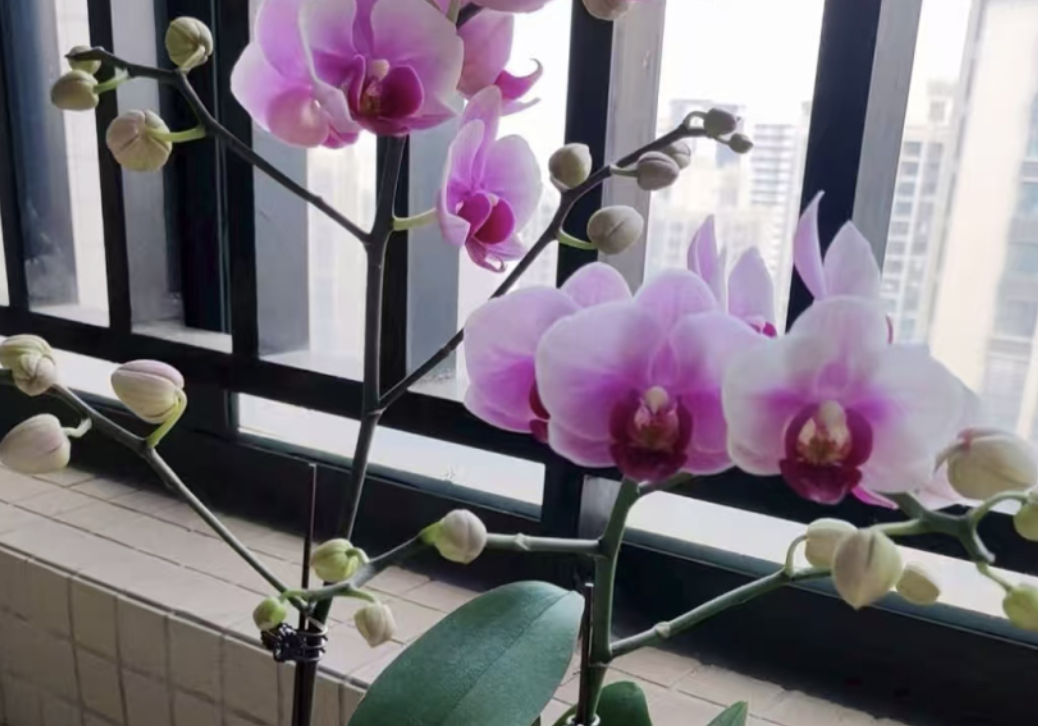
How does a Phalaenopsis orchid show signs of insufficient light? And what does it mean when it develops 'crystal tips'?
As most gardeners know, flowers and plants generally need light to grow, and the graceful Phalaenopsis orchid is no exception. However, since its natural
-
When a Phalaenopsis enters its growing period, there are 3 signs; with proper care it grows quickly
The most important thing in growing Phalaenopsis is to figure out its "growth rhythm" - if you cannot tell whether it has entered the growing period, and you water and fertilize purely by feel, it is very easy to stunt the plant or rot it. In fact, the growing period of Phalaenopsis has clear signals; as long as you observe its temperature and light needs and the plant's growth characteristics, then match them with the corresponding care, you can make its leaves
-

4 kinds of flowers that fear scorching sun the most, they only thrive when kept in a shady spot
It has been getting hotter and hotter lately, and the sun is getting more and more vicious. Many flower-growing friends are complaining: "Why does my flower wilt after being in the sun?" Actually, not all flowers are "sunflowers" - some flowers are naturally afraid of sun, and once exposed they get yellow leaves and scorched tips, which really breaks your heart! Clivia: This flower looks majestic, but it is actually very delicate. Many people think
-

Tired of root rot when growing flowers? Tuck a few small things into the pot for better airflow and drainage, and the roots will grow stronger
The biggest headache in growing flowers is root rot - you clearly don't water much, yet the plant still droops, and when you take it out of the pot it's all black, mushy rotten roots, heartbreaking and a waste. Actually, the core problem with root rot is just one thing: water accumulates in the pot and can't drain out, so the roots are smothered in wet soil and lack oxygen. Don't just blame yourself for being heavy-handed with the watering can - add some "small things" to the pot,
-

When is the best time to repot a Phalaenopsis orchid?
In the process of growing Phalaenopsis orchids, when it comes to repotting, choosing the right timing is not simply "completing a task," but rather using the appropriate approach to help it root better, stretch out, and build up strength for its next bloom. After all, Phalaenopsis roots are rather delicate - repot too early and it affects blooming, repot too late and the roots get smothered. Finding the right timing matters more than anything.
-

Can Phalaenopsis orchids be repotted in autumn, and when is the most suitable time to repot them?
"Can I repot my Phalaenopsis orchid in autumn?" Actually, the answer is quite flexible, but first let me share a key point with everyone - repotting a Phalaenopsis orchid doesn't depend on whether the season feels right, it depends on whether its "condition" feels right. Let's first sort out the autumn repotting question clearly, then talk about when it's most suitable, so even beginners can understand. Is autumn repotting okay?
-

These 4 green plants wilt without acid; when gardening in the south, don't forget to add acid
Southern friends who have grown flowers have surely noticed that some flowers look easy to keep, but after bringing them home, within a few days the leaves turn yellow and the buds drop. It's not that you forgot to water or fertilize; most likely you forgot to "add acid" for them! Although the southern climate is humid, many potting soils become alkaline over time, and camellia, osmanthus, gardenia, and jasmine
-

What to Do When Phalaenopsis Leaves Grow Every Which Way? A Guide to the Best Time to Correct Them
Is your Phalaenopsis like this too? When you bought it, the leaves were neat and tidy, but after two months of growing them, they start to "bare their fangs and brandish claws" - some droop outside the pot, some crane their necks toward the light, and others overlap and block each other. The whole plant looks like it has lost all its elegance, leaving only mess, and it does not look energetic at all? Don't worry, this "
-
When growing Phalaenopsis (moth orchid) semi-hydroponically, water along the edge of the pot to prevent root rot; how should the watering frequency be set?
If there is a "lazy person's blessing" in Phalaenopsis care, semi-hydroponics definitely counts as one! You do not need to painstakingly remove the old potting medium, nor do you need to repot frequently, and the Phalaenopsis can still grow vigorously, making it especially suitable for beginners who dislike hassle. How exactly do you do it? It can be done in just a few steps, so let's go through it slowly. First, prepare these materials, all of which are common household items: none
-
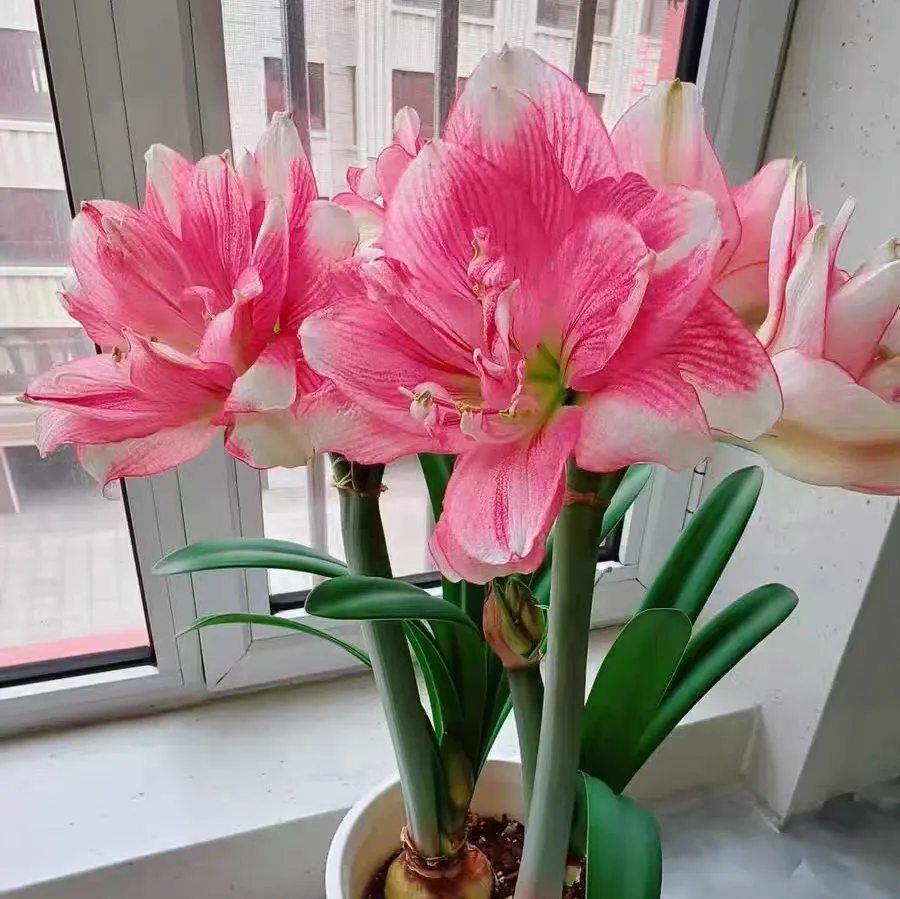
Don’t Follow the Trend Blindly When Choosing Flowers for Autumn Sowing! How Many of These 6 Hidden Gem Plants Do You Know?
# Don’t Miss Out After the Start of Autumn! Haven’t Had Enough of the Green Plants in Your Office? Don’t Worry! When the Autumn Sowing Season Arrives, Grow
条件筛选