-

Can Hyacinths Bloom Without Sunlight? The Latest Answer
The hyacinth is a perennial bulbous plant, a flowering plant that loves light while also tolerating shade. Because of its many varieties, rich colors, and very beautiful blooms, it is deeply loved by growers. However, its light requirements differ at different growth stages,
-
A Detailed Guide to the Latest Care and Management Methods for Wisteria Bonsai
Wisteria loves ample sunlight, tolerates slight shade, and is cold-hardy. It can be placed in a bright spot. During the growing season, water by the principle of not watering until the soil is dry, and when watering, soak it thoroughly. After August, keep the potting soil on the dry side, which helps it bloom more the following year. During the spring and summer growing seasons, apply a decomposed
-
Can a Peace Lily grow normally without sunlight?
The Peace Lily likes a warm, humid growing environment and is very well suited to being grown in southern China, because the typical characteristics of southern China are warmth and high humidity, which are very suitable for the growth of the Peace Lily. But for an ordinary owner, this evergreen plant is generally grown as a potted plant at home for appreciation.
-
Can Pothos Take Direct Sunlight? A Full Guide to Care Tips
Pothos is an excellent foliage plant, with strong twining ability, well-developed aerial roots, colorful leaves, evergreen all year round, and long trailing branches. It can be allowed to climb on a cylinder made of palm fiber or on tree trunks for greening, placed in entrance halls and hotels, or grown as a hanging plant in studies, on windowsills,
-
Can Lucky Bamboo Take Sunlight? Light Care Points Explained in One Article
Lucky Bamboo is a potted plant everyone is all too familiar with. In Chinese plant culture it is a symbol of good fortune and auspiciousness, carrying beautiful meanings, but growing Lucky Bamboo well is no simple task. Without solid potting skills, problems such as yellow leaves, root rot, and slow plant growth may appear.
-
Can a Money Tree Take Direct Sunlight? The Answer Explained in One Article
The money tree (Pachira aquatica) is an evergreen small tree of the Malvaceae family, native to Costa Rica in Latin America, Australia and some small islands in the Pacific; it is also found in the tropical regions of southern China, and has always been a popular potted plant among gardening enthusiasts, who like to keep one both at the office and at home.
-
How to Water a Cactus Ball? Latest Method Explained in Detail
Cactus balls like sunlight and are not afraid of dryness, so in spring and summer they should be watered once a month. In winter, water once every 2-3 months. Note that when watering, you must water thoroughly. Repotting should be done in spring. A newly repotted cactus ball must not be watered immediately; it should be watered only after 1 week. Cactus
-
Can Ocean Sunfish Be Eaten? Nutritional Value, Diet, and Whether Strong Sunlight Can Kill Them
The ocean sunfish, also known as the sunfish, mambo fish, or head fish, is a collective term for 3 species of oceanic fish in the family Molidae, class Osteichthyes. They are distributed and inhabit tropical and subtropical oceans, and are also found in temperate or cold oceans. So, can ocean sunfish be eaten? What nutritional value do they have?
-
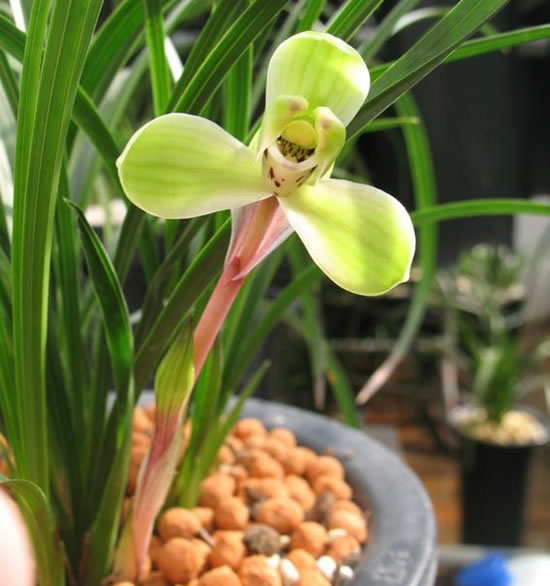
What is the difference between Jiyuan orchid blooming in sunlight and in shade
Zhu Dayong: In the first photo, after the flower buds appeared, I kept it on the shelf the whole time, with ample light and relatively lower humidity. In the second photo, after the flower buds appeared, I placed it under the flower shelf, with weaker light and relatively higher humidity. The first and second photos are different blooms of the same Jiyuan plant. Some plants...
-
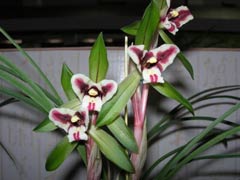
Can Orchids Take Sunlight? The Correct Lighting and Care Method
Can orchids take sunlight? This question cannot be answered with a single rule. In different seasons and different environments, different lighting methods are needed. As the saying about growing orchids goes, "In spring do not take them out, in summer do not sun them, in autumn do not let them dry, in winter do not keep them wet." This means that in spring they should be protected from cold wind and not moved outdoors; in summer they fear direct sunlight...
条件筛选