-

What size pot for a large Phalaenopsis orchid, and how often to spray fertilizer?
Friends who grow Phalaenopsis orchids often run into this situation: the large plants at home keep growing sturdier and sturdier, but you don't know what size pot to repot them into; you want to spray a little fertilizer to supplement nutrients, but you can't quite pin down the spraying frequency. Generally speaking, a large Phalaenopsis orchid refers to a plant over 25 cm tall, with 4 - 5 mature leaves,
-
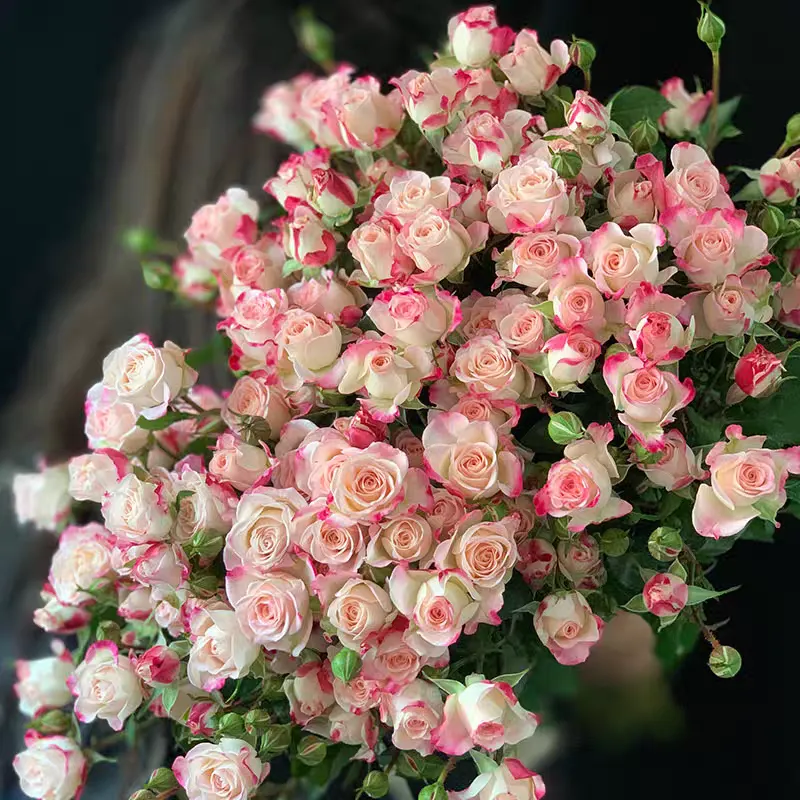
What are the recommended varieties of spray roses?
Today, I'm sharing 6 high - value treasure spray rose varieties. Each one is so beautiful that it's hard to take your eyes off, and I'll also teach you step -
-
Phalaenopsis Sphagnum Moss Culture Watering Techniques: Can You Spray Water on Leaves After Over-Fertilizing?
I believe no one can resist the flower posture of Phalaenopsis after it blooms, like butterflies dancing at home, which not only carries an auspicious meaning but also enhances the home decoration atmosphere. Generally speaking, Phalaenopsis bought from the flower market is mostly grown in sphagnum moss medium, so how should you scientifically water it in daily care? When it comes to fertilizing, do you need to spray fertilizer on the leaves
-
What causes Phalaenopsis leaves to go soft, and can I spray them with hormone water?
Now that the Lunar New Year season has passed, has everyone been growing Phalaenopsis? This orchid comes in rich colors, and once the flower opens, the petals curl slightly, giving it a playful feel, so it easily stands out in a crowd of flowers. However, although it looks especially impressive at home, problems will arise if the later care environment always has poor ventilation, temperatures that are high by day and low by day, insufficient light,
-
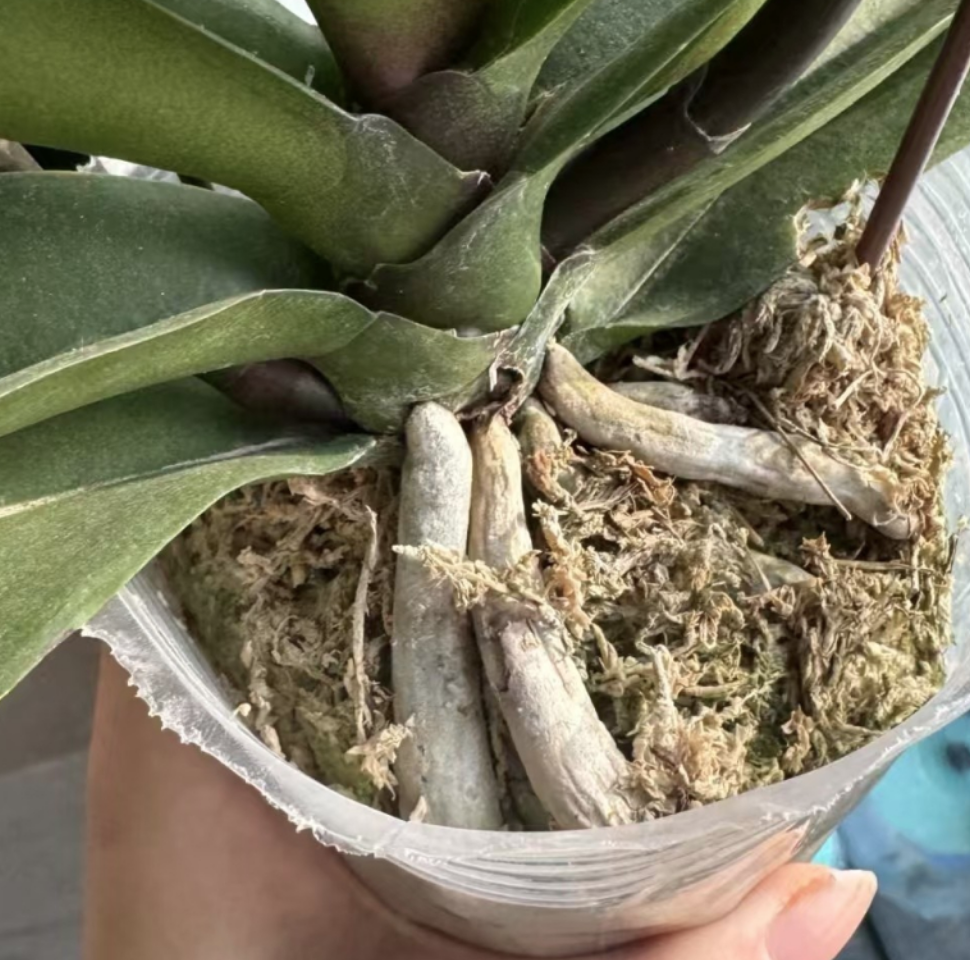
Is it better to water or spray water on Phalaenopsis orchids?
Many people grow flowers for the blooming moment, so it is everyone's common goal to make the beauty of flowers last longer. Especially for the relatively
-

Phalaenopsis care during the flowering period: watering methods, and can you spray water on the flowers?
Once the Lunar New Year season is over, many flower lovers will have bought Phalaenopsis (moth orchids) for their homes. The reason is mostly their looks; placed at home, no matter how you arrange them, they can become an eye-catching focal point. The second reason is the huge variety of cultivars, some petals come with their own gradient colors, some transition naturally from creamy white to pale purple, and looking at them every day feels like your eyes are eating ice cream. So
-

How to Fertilize Phalaenopsis Orchids: Which Is Better, Root Drenching or Spraying?
To help your Phalaenopsis orchid thrive and produce beautiful blooms, a sensible fertilizing method is essential. Starting from Phalaenopsis fertilizing techniques, we analyze the pros and cons of two fertilization methods, root drenching and spraying, to help you better care for your Phalaenopsis. Phalaenopsis has its own unique fertilizer needs. First, fertilizing should follow
-

Why do Phalaenopsis orchids always get root rot, and is it good to spray water on the plant?
Why are Phalaenopsis orchids so sought after by flower lovers? First, their blooming period is extremely long; a single flower can stay open for several months, making them a true "lazy person's blessing"! Second, of course, is their stunning appearance; placed in any corner of the home, they instantly elevate the style. However, after buying a Phalaenopsis, keeping it alive and thriving is not an easy task,
-
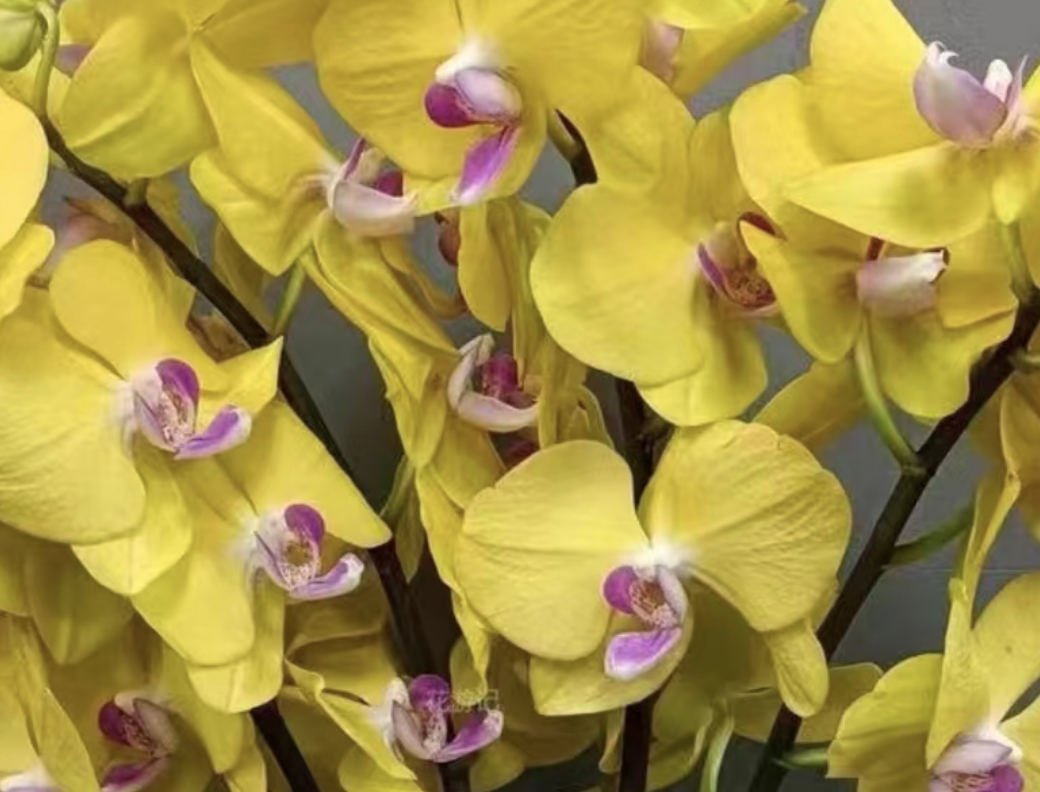
What kind of fertilizer should be used to spray on the leaves of Phalaenopsis?
I believe every friend who has bought Phalaenopsis wants to grow it into a beautiful and charming plant, making its graceful flower shape even more dazzling.
-

Which flowers cannot have water sprayed on their leaves? What are the reasons?
I believe many friends who have walked through botanical gardens have seen humidifying sprinkler devices installed over the grass. As a result, many flower lovers go home and copy this by spraying water on their own plants. It looks like this action is replenishing water for them, but in fact some plants are very afraid of water accumulating on their leaves, especially plants with fuzz, wax
条件筛选