-
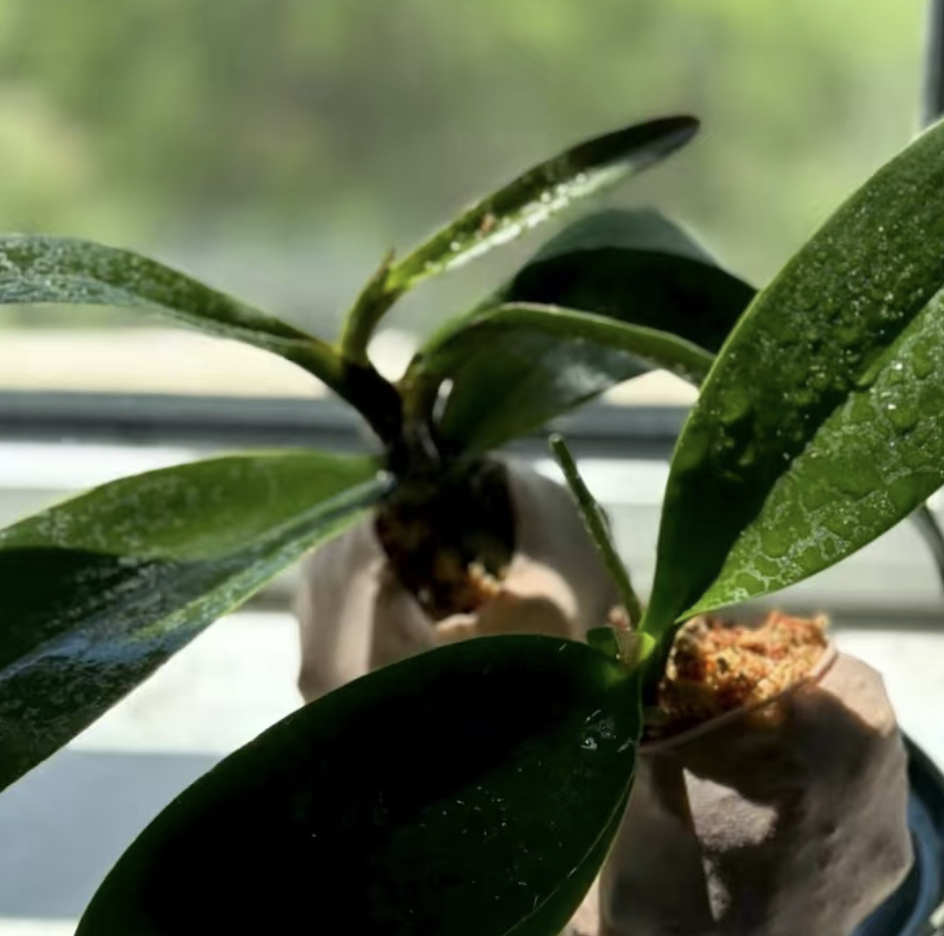
What are the best practices for growing Phalaenopsis orchids? And how should you care for them after trimming the flower spike?
Flowers bloom and fade, and caring for Phalaenopsis orchids after they finish flowering is especially important. For beginners, knowing how to manage the plant
-
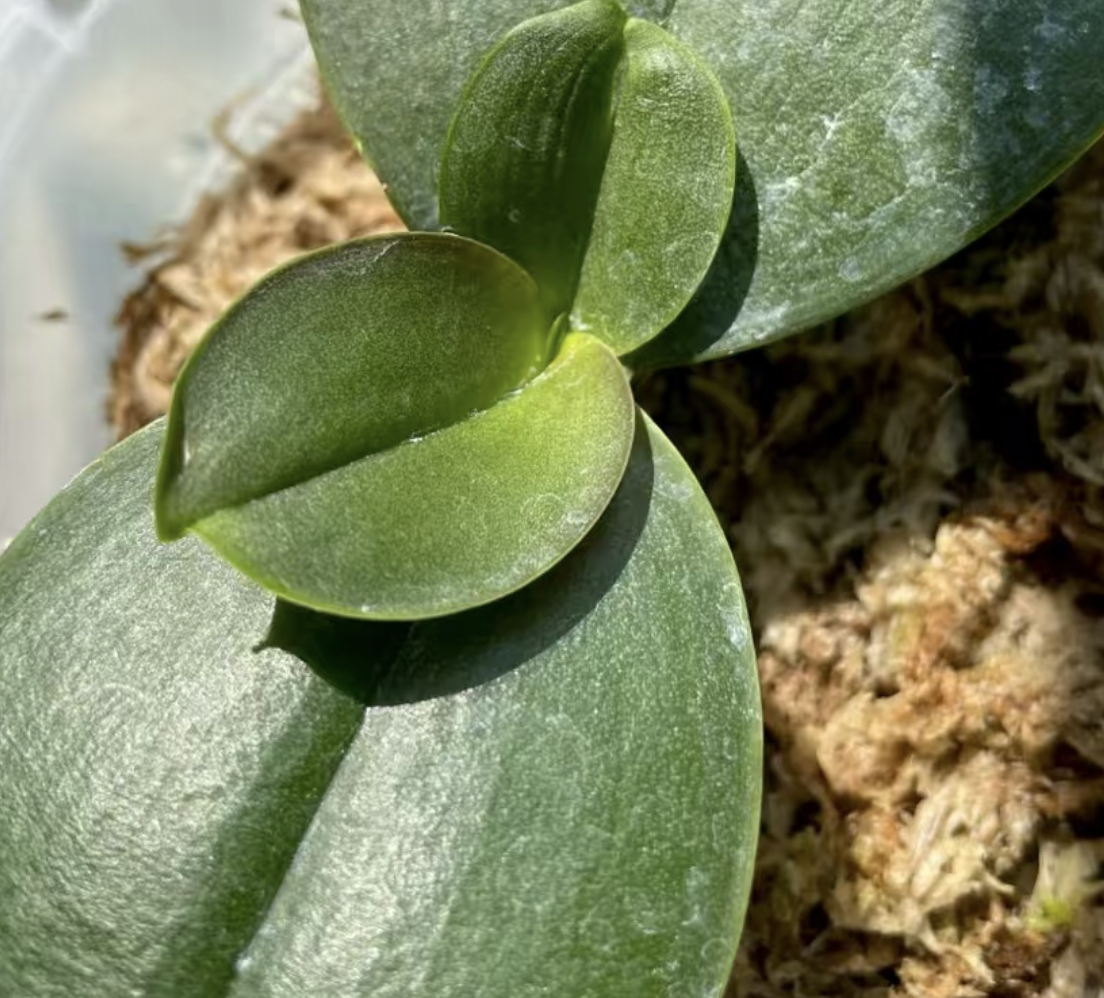
Why do Phalaenopsis orchids produce smaller new leaves? What are the possible reasons for abnormal new leaf growth?
To grow healthy Phalaenopsis orchids, you must first care for the roots, but it’s just as important to observe the condition of the leaves. Recently, a reader
-

What size pot is most suitable for growing Phalaenopsis orchids at home, and is bigger always better?
"When growing Phalaenopsis at home, what size pot is the right choice? Does it grow more vigorously the bigger the pot?" In fact, many people raising Phalaenopsis for the first time always feel that giving it a large space will help it grow better, but then they buy too large a pot, and instead the plant rots at the roots and turns yellow at the leaves, all for nothing. Phalaenopsis really is not better in a bigger pot; rather, "small pots grow roots, big pots rot
-

What is the best and most cost-effective substrate for growing Phalaenopsis orchids at home?
Friends who grow Phalaenopsis orchids surely know: "To grow orchids, first grow the roots; to grow the roots, rely on the substrate." Unlike growing pothos or succulents in ordinary potting soil, Phalaenopsis is an epiphytic orchid with aerial roots that need to breathe air. If you use sticky garden soil, the roots will surely rot within half a month. So when choosing a substrate, never be careless. You have to pick those that are breathable, water-retentive yet not root-suffocating, and also cost-effective. After all, we are growing flowers at home, and there is no need to spend a lot of money on fancy but impractical things.
-
What experience is there in caring for Phalaenopsis orchids? How to care for and manage them after cutting the spike
Flowers bloom and fade, and post-bloom care of Phalaenopsis orchids becomes the top priority. For beginners, what care points should we master after cutting the spike? After cutting the spike of a Phalaenopsis orchid, you need to do a good job with light, watering, temperature, fertilizing and other steps. In detail, light is the plant's "source of energy," and what orchids like is that bright
-

Repotting Sick and Weak Phalaenopsis Orchids Requires Care: Save the Seedlings in These 5 Steps
When a Phalaenopsis orchid's leaves turn yellow and go limp, and its roots are either half rotted or shriveled and lifeless, repotting is the "key to saving its life." But many people panic and act rashly: they just rip off the old medium, casually trim the roots, and switch to a bigger pot, only to find the orchid gets weaker with each change until it dies. In fact, repotting sick and weak orchids
-

The Art of Repotting Phalaenopsis Orchids: The Best Time and Key Precautions
In the process of growing Phalaenopsis orchids, repotting is not simply a "task to be completed" - choosing the right timing means helping the plant root better and spread out its roots in a suitable way, building strength for its next bloom. After all, Phalaenopsis roots are rather delicate: repot too early and flowering suffers, too late and the roots suffocate, so finding the right moment matters more than anything. First
-

How to humidify Phalaenopsis orchids in the north? Practical ways to maintain indoor humidity
For gardening friends in the north growing Phalaenopsis orchids, the biggest headache is probably the humidity problem - clearly light and watering are done according to tutorials, yet the orchid leaves are still dry and shriveled, and may even have root rot. In the end, it is simply that the air is too dry! Phalaenopsis orchids are native to tropical forests and are used to a humid environment of 60%-80%. In our north, once the winter heating is turned on,
-

How often should you water a Phalaenopsis in autumn? Master the frequency and techniques to grow orchids in autumn without root rot!
Many friends who grow Phalaenopsis start worrying when autumn arrives: as temperatures gradually drop, they fear root rot if they water too much, but worry about drying out the plant if they water too little. So how many days apart should watering be? In fact, watering Phalaenopsis in autumn has its own rules: you cannot blindly fix a set number of days, and you also need to adjust based on its growth state. Below, we cover the autumn watering frequency, timing
-

Is it hard to grow Phalaenopsis orchids in the north? Choosing the right potting medium is key
Northern gardening enthusiasts often complain: "This delicate thing, the Phalaenopsis orchid, why is it so hard to grow here in the north?" Actually, it's not that Phalaenopsis is "picky about location" - it's mainly that the northern environment differs quite a bit from its native habitat (tropical and subtropical). But with the right methods, you can still grow them well. Growing Phalaenopsis in the north really comes down to two challenges: one
条件筛选