-

Reasons for Softening Leaves in Phalaenopsis Orchids and How to Handle It
Today I will teach you how to effectively solve the problem of Phalaenopsis orchid leaves suddenly going soft during care, so that your Phalaenopsis orchid regains its vitality and blooms with beautiful flowers. 1. Soft rot Soft rot is a common disease of Phalaenopsis orchids, and once it strikes, it spreads quickly. Symptoms: small water-soaked spots first appear on the leaves, and within just a few days they will
-

Can Sphagnum Moss Kill Phalaenopsis Orchids If Too Wet? Learn the Correct Way to Handle It
Friends who grow Phalaenopsis orchids have probably all run into this situation: you excitedly buy sphagnum moss, thinking it's definitely the right choice for growing them, but less than two weeks later the leaves turn yellow, the roots turn black, and the once-healthy plant just wilts away - nine times out of ten it's caused by the sphagnum moss being too wet. Actually, the roots of Phalaenopsis orchids aren't ordinary soil-grown roots; they're those plump
-

Can old Phalaenopsis orchids grow new shoots? Here is how to handle it when they do
Can an old Phalaenopsis orchid grow new shoots? Plenty of orchid growers have probably wondered about this. Let me tell you, it really can! But it depends on the situation - not every old plant can push out a new shoot. So what should you do when a Phalaenopsis grows a new shoot? This question looks simple, but there is actually a lot to it. After a Phalaenopsis blooms, there
-

Is it good for a Phalaenopsis orchid to grow small plantlets, and how should you handle it?
When it comes to a Phalaenopsis orchid growing small plantlets, this is definitely a good thing! It was originally just one pot of orchid, and quietly sprouting small shoots shows that the mother plant is being raised strong and has the energy to branch out and spread leaves. This is a little achievement for any orchid grower. First, let's talk about the good aspects. If a Phalaenopsis orchid can grow small plantlets, it means the mother plant has a good foundation, sufficient nutrients,
-

Why Tomatoes Develop Stunted Fruit After Flowering and How to Handle It
Your tomato plants have flowered and set fruit, yet one by one the fruits just sit there on the vine without growing? Those small, hard, stunted fruits are a depressing sight. You clearly haven't skimped on watering or fertilizing, so where exactly is the problem? Today let's talk about the causes of stunted tomato fruit and how to solve them. Why do perfectly good fruits end up "frozen" in place? In fact, stunted tomato fruit is mostly
-

Can a Phalaenopsis orchid still grow back after its root tips turn black? Handle it this way
A perfectly healthy Phalaenopsis root tip, and for no apparent reason it turns black. These are the orchid's "lifeline," responsible for absorbing water and nutrients. Can it still grow back after turning black? How should you handle it? Can it still grow once the root tip turns black? Actually, there is no need to panic too much. As long as the Phalaenopsis root system has not completely rotted and the pseudobulb is still firm, there is hope. The root
-
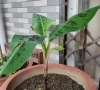
Can You Grow a Mango Seed? Planting Methods and Tips for Handling Sprouted Mango Seeds After Water Cultivation
Who hasn't tried growing a houseplant from a mango seed? As someone who went from "plant killer" to "plant whiz," I sincerely recommend it to all beginners: want to get into growing plants? Starting with a mango seed is definitely the way to go! Zero cost, easy to care for, and watching it grow from a hard pit into lush green leaves gives you a sense of accomplishment that's off the charts.
-
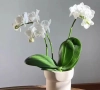
Why Are the New Leaves of Your Phalaenopsis Orchid Splitting, and How Should You Handle It?
Phalaenopsis orchids (moth orchids) are elegant and beautiful, but when the new leaves suddenly split, it really ruins their looks! In fact, it is mostly due to a few care details being done poorly. Today I will help you pinpoint the causes, with simple solutions attached. Cause 1: The environment is too dry. Phalaenopsis orchids like moisture; when the air humidity drops below 50%, the new leaves lose water and become brittle, making them easy to "split open," especially in warm
-

What does "leaf-center spike" mean in Phalaenopsis orchids, and how should it be handled?
Fellow Phalaenopsis growers, have you ever suddenly noticed one day that the center of your plant seems to have been "locked" by something? The new leaf curls into a sharp little cone, stiffly stuck in the middle, and no matter what, it just won't unfurl? -- Congratulations, you may have encountered the legendary "leaf-center spike"! Don't let the name scare you; it's actually not that
-

What are the signs of insufficient light in Phalaenopsis orchids? Here's how to handle it correctly
These days, office workers love growing greenery at their desks to relieve stress, and the elegant, easy-to-care-for Phalaenopsis orchid is a favorite for many! But if you don't pick the right spot with proper light at your desk, Phalaenopsis orchids can easily "throw a tantrum," showing poor growth, yellowing leaves, and dropping buds, which is distressing to see and ruins your stress-relieving mood. Don't panic; first understand the specific signs of insufficient light
条件筛选