-
What are the benefits and effects of Acorus calamus? Only with the right care and management will it grow vigorously
Acorus calamus is a perennial herbaceous plant in the genus Acorus of the family Araceae. It has an elegant form, with lush green foliage, dignified and beautiful. There are many species of Acorus calamus, with common ones including Acorus tatarinowii and Acorus calamus. Acorus calamus mostly grows in wetlands, streamside and other environments, preferring a cool and humid climate. The flowering period of Acorus calamus is generally from June to September. The flowers
-

Three recommended indoor aromatic plants, and what are their benefits and effects?
In daily life, we often feel stressed and exhausted. To make your home more pleasant, you might want to bring in some indoor aromatic plants. Today, we will introduce three amazing plants that not only fill your home with the scent of nature, but also bring healing effects. Cubeba mint (Plectranthus amboinicus 'Cubeba'), as the name suggests, is a
-

Is "Golden Ten Thousand Taels" Easy to Grow? An Analysis of Its Benefits and Effects
"Golden Ten Thousand Taels", whose scientific name is Ardisia crenata (coral ardisia), is a low-growing shrub plant belonging to the genus Ardisia in the family Primulaceae. This is not just a potted plant, but a treasure bestowed by nature, combining ornamental value, cultural symbolism and medicinal value in one. The name "Golden Ten Thousand Taels" comes from the fact that when its fruit ripens, it hangs all over the branches, golden and dazzling, like countless
-

What Edible Flowers and Herbs Are There? Detailed Explanation of Their Health-Preserving Benefits and Effects
In daily life, more and more people are paying attention to health preservation and wellness, improving their physical condition through natural remedies. Herbal flower tea, as an ancient and healthy beverage, is deeply loved by the public. This article will introduce in detail three common edible health-preserving flowers and herbs along with their respective unique benefits and effects. Chrysanthemum Chrysanthemum, since ancient
-
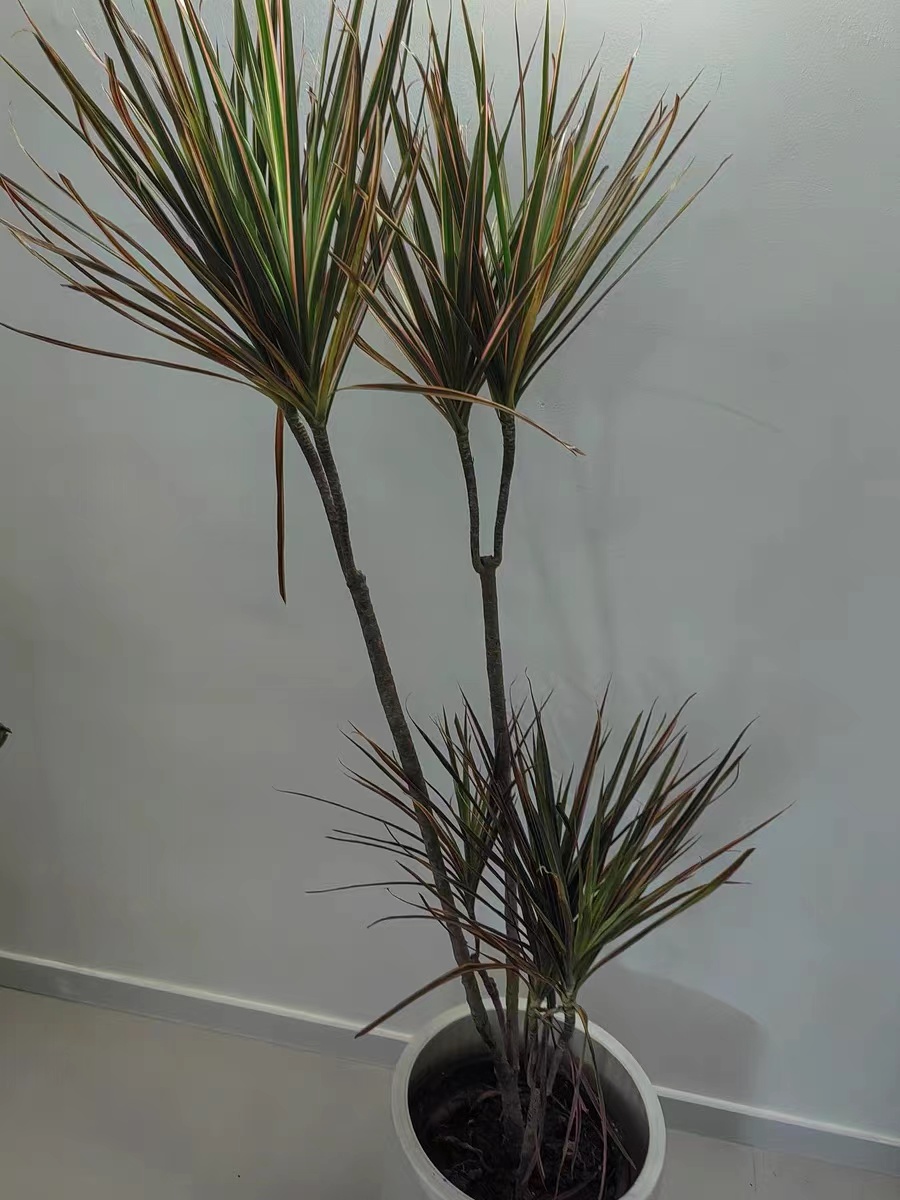
What are the effects of common green plants?
In life, people are paying more and more attention to the comfort and health of the indoor environment. Potted green plants, as the epitome of nature, can not
-
The Benefits and Effects of Roselle and How to Grow It in Pots, plus Precautions
Roselle, also known as the roselle hibiscus, is a tall plant that usually grows to 1 to 2 m. Its flowers are purplish-red and extremely vivid, with petals in a distinctive triangular shape that gives the bloom a truly unique form. The calyx is fleshy and cup-shaped, deep red in colour, and is a high-quality material for making herbal tea. Native to tropical and subtropical regions, roselle
-

What are the differences between lobelia and lotus, and what are their effects and uses?
Lobelia and lotus, although both have the character "lian" in their names, belong to completely different plant species, each with its own unique morphological features and growth habits. Lobelia: a perennial herb in the genus Lobelia of the family Campanulaceae, rooting at the nodes, with upright branches; leaves alternate, with fine leaves growing at each node. Its most
-

Nasturtium: Benefits and Effects, Growing Methods and Precautions
Nasturtium (Tropaeolum majus) belongs to the family Tropaeolaceae and the genus Tropaeolum, and its whole plant holds important medicinal value in traditional Chinese medicine. It is widely distributed across Northeast China, North China and Inner Mongolia, and is a plant that combines ornamental and medicinal functions. Nasturtium is cool in nature and can effectively clear heat toxins from the body, making it useful for red and swollen eyes, sore and swollen throat, and similar
-

What is the difference between wild chrysanthemum and chrysanthemum? How do their effects and actions differ?
I believe friends who have lived in the countryside know that wild chrysanthemums are very easy to spot on the mountains. After blooming, they appear yellow, and generally have capitula or radially symmetrical petals. So, what is the difference between wild chrysanthemum and the artificially cultivated chrysanthemum seen on the market? Can wild chrysanthemum be used to make tea just like chrysanthemum?
-

Is Qingxiangmu (Pistacia weinmannifolia) suitable for growing indoors? Learn about its benefits and effects
Is Qingxiangmu suitable for indoor care? From the perspective of its growing environment, Qingxiangmu prefers a warm location with plenty of light, but it also has a certain tolerance for shade. This means that indoors, as long as proper light and temperature conditions can be provided, Qingxiangmu can survive. However, it should be noted that the indoor environment
条件筛选