-
How to water blueberries scientifically during cultivation?
How to water blueberries during cultivation? Please advise. Blueberries must be watered before the plants show signs of wilting. The decision to water should depend on the soil type. Sandy soil has strong water-holding capacity and is prone to drought, so it needs frequent checking and watering. Soil with high organic matter content has strong water-holding capacity, so watering can be appropriately reduced, but on soil with high organic matter content...
-

A Complete Analysis of Key Points in Blue Peafowl Breeding Technology
Blue Peafowl Breeding Technology
-

What Conditions Are Needed for Growing Blueberries? A Detailed Explanation of Growth Habits and Environmental Requirements
Blueberry, also known as lanmei, dusi, dushi, etc., is a perennial shrub of the genus Vaccinium in the family Ericaceae. It is named for its blue fruit and is rich in nutrients. It not only contains conventional nutrients but is also extremely rich in flavonoids and polysaccharide compounds, giving it very high cultivation value and market prospects.
-
How to Grow Potted Blueberries: Planting Methods and Key Cultivation Management Points
Blueberry, also known as lanmei, dusi, dushi, etc., is a low shrub of the genus Vaccinium in the family Ericaceae. In increasingly compact cities where land is at a premium, it is mainly grown in pots, and almost all blueberries are suitable for pot cultivation. However, when growing them on a balcony, care should be taken to choose varieties of appropriate height so that the pots are easy to move.
-
What are the common varieties of blueberry seedlings? A detailed explanation of planting time
Blueberry is also known as lanmei, dusi, dushi, dushi and so on. It is a perennial small-berry bush fruit tree of the genus Vaccinium in the family Ericaceae. It is called blueberry because its fruit is blue. The fruit is rich in nutrients and has functions such as preventing brain nerve aging, protecting eyesight, strengthening the heart, fighting cancer, softening blood vessels, and enhancing human immunity.
-
Blueberry Propagation by Cuttings and Key Points for Seedling-Stage Management
There are many propagation methods for blueberries, such as cuttings, seed propagation, and division. At present, blueberry cultivation in China mainly relies on propagation by cuttings in production, while other methods such as raising seedlings from seed, rhizome cuttings, and division are also used. The propagation method varies by species. Highbush blueberry is mainly propagated by hardwood cuttings.
-
Detailed Explanation of Blueberry Planting Techniques and Cultivation Management Key Points
Blueberry is a berry shrub of the genus Vaccinium in the family Ericaceae. The unique substances in its fruit, such as blueberry anthocyanins, have effects such as improving eyesight, anti-aging and cancer prevention. It is known as the "functional health berry of the 21st century" and the "queen of fruits", and has been listed by the International Food and Agriculture Organization as one of the five major health foods for humans.
-
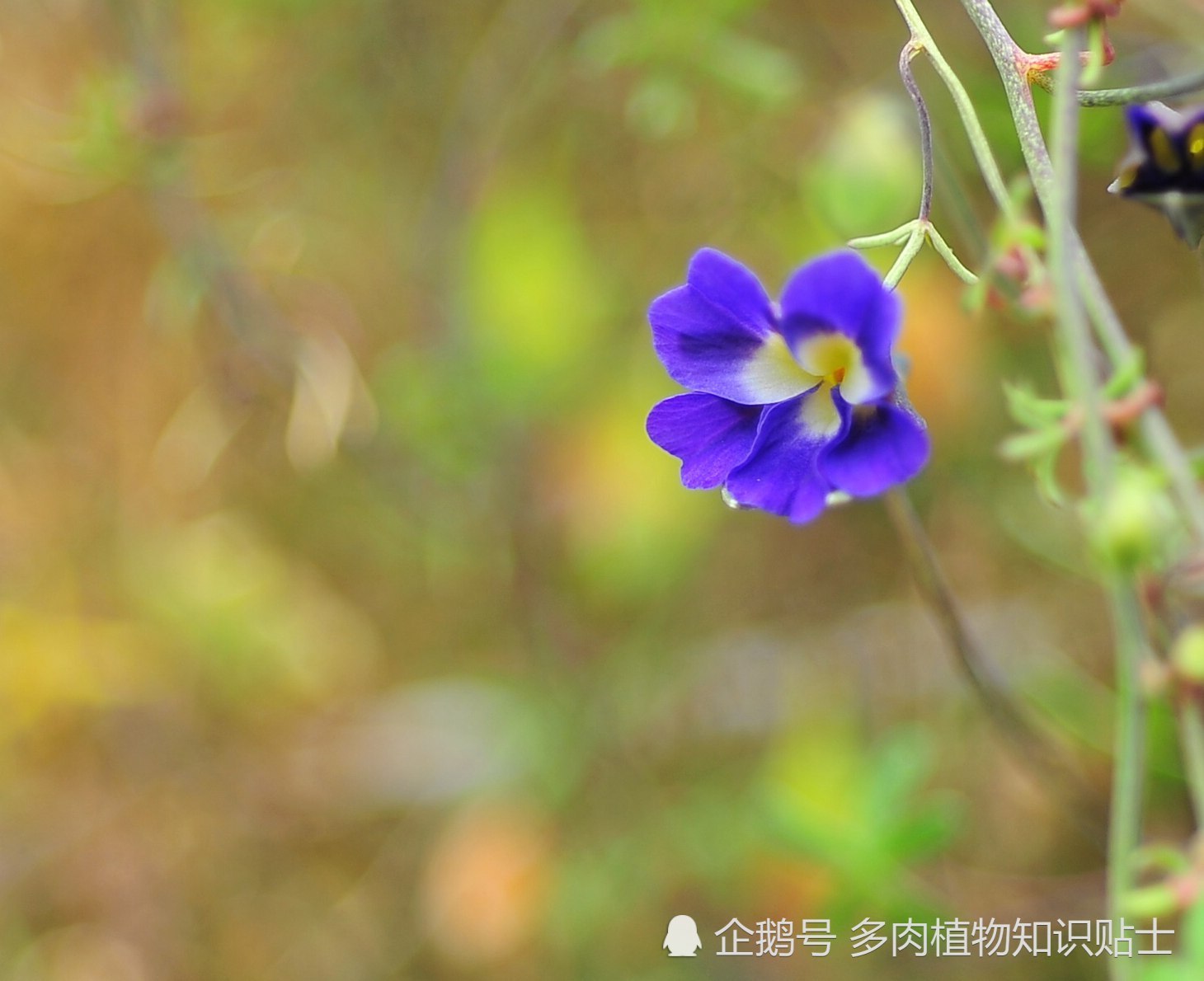
The sky-blue nasturtium has bloomed, and the summer atmosphere is gradually warming up
Thanks to Ruhua's material. The sky-blue nasturtium has bloomed. The sky-blue nasturtium has bloomed. The sky-blue nasturtium has bloomed. The sky-blue nasturtium has bloomed. The sky-blue nasturtium has bloomed. The sky-blue nasturtium has bloomed. The sky-blue nasturtium has bloomed ...
-
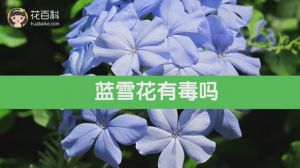
Is the blue snowflower (Plumbago auriculata) toxic? Learn about its toxicity before caring for it
Whether from reference materials or reports, the blue snowflower (Plumbago auriculata) is non-toxic and will not cause harm to the human body. Many plants contain toxins as a result of evolution, and the toxins remain within the plant's body; as long as they are not ingested in excessive doses, there will be no effect whatsoever. When caring for it, you should still avoid letting the sap enter the body, wounds or mucous membranes, and take necessary protective measures.
-
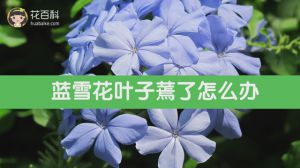
Blue plumbago leaves have wilted, what should I do? Common causes and solutions
There are many reasons why blue plumbago leaves wilt: if it is caused by too dark lighting, it needs to be placed in an environment with sufficient light. If it is caused by excessive drought or waterlogging, you first need to determine whether too much or too little water is the cause, and then control water management. If it is caused by temperatures that are too low, it needs to be adjusted to the ideal temperature value. You must first determine the cause, then take the corresponding measures.
条件筛选